✓ Over 70% of Canadian art students consider online learning for flexibility.
✓ Many online art schools offer accredited diploma and certificate programs.
✓ Specialized online courses cater to diverse artistic disciplines, from animation to painting.
✓ Online platforms provide access to mentorship and peer critique from across Canada.
How It Works
1
Research & Compare Programs
Start by identifying your artistic goals and researching online art schools in Canada that align with your interests. Compare curriculum, faculty, and student support offerings.
2
Submit Your Application
Prepare your portfolio, academic transcripts, and any required essays or statements of intent. Ensure you meet all admission criteria for your chosen program.
3
Engage in Virtual Learning
Participate in online lectures, workshops, and critique sessions from the comfort of your home. Utilize digital tools and platforms for assignments and collaboration.
4
Build Your Portfolio & Network
Apply your learned skills to create a strong portfolio, essential for showcasing your talent. Connect with instructors and peers to expand your professional network within the arts.
The Evolution of Online Art Education in Canada
Photo: Daniele / Pexels
The landscape of art education has undergone a profound transformation, with online learning emerging as a cornerstone of accessibility and innovation. For aspiring artists across Canada, the concept of pursuing a comprehensive art education without the constraints of geographical location is no longer a futuristic dream but a tangible reality. Online art schools in Canada are not just replicating traditional classroom experiences digitally; they are redefining them, offering unparalleled flexibility, diverse curricula, and access to a broader range of instructors and peer networks. This evolution is particularly significant in a vast country like Canada, where geographical distances can often be a barrier to accessing specialized art programs located in major urban centers. Online platforms democratize access, allowing individuals from remote communities, those with demanding work schedules, or caregivers to pursue their artistic passions without sacrificing other life commitments. The quality of online art education has also matured significantly. Gone are the days of rudimentary online courses; today's programs boast sophisticated learning management systems, high-definition video tutorials, interactive critique sessions, and virtual studios that mimic the collaborative environment of a physical art school. Many institutions have invested heavily in developing bespoke digital tools and resources, ensuring that students receive a rich, immersive learning experience. Furthermore, the curriculum in these online programs is often designed to be highly relevant to the contemporary art world, incorporating digital art forms, new media, and strategies for navigating the modern art market. Students are not just learning traditional techniques; they are also being equipped with the skills needed to thrive in a rapidly evolving creative industry. This includes proficiency in various software, understanding of intellectual property in a digital age, and strategies for online portfolio presentation and self-promotion. The integration of technology also allows for personalized learning paths, where students can often work at their own pace, revisit complex lessons, and receive individualized feedback. This adaptability is a key advantage for many learners, fostering deeper understanding and skill development. The shift towards online art education is not merely a temporary trend but a fundamental change in how artistic knowledge is disseminated and acquired, making it more inclusive and responsive to the needs of a diverse student body. The advent of sophisticated digital tools for collaboration and critique has further blurred the lines between physical and virtual studios, creating vibrant online communities where artists can share work, receive feedback, and grow together. This dynamic environment ensures that students are not isolated but are actively participating in a thriving artistic ecosystem, preparing them not just for a career in art, but for a lifetime of creative exploration. For those considering a career in the arts, understanding these developments is crucial. Choosing an online program means opting for a path that is both flexible and robust, capable of delivering a high-quality education that stands up to traditional alternatives. It's about embracing a future where your artistic journey is limited only by your imagination, not your postcode. Explore the diverse world of art education and see how online learning can fit into your life.
Choosing the Right Online Art School: What to Look For
Photo: Zen Chung / Pexels
Navigating the myriad of online art schools in Canada can be a daunting task, but a strategic approach to selection can ensure you find the perfect fit for your artistic aspirations. The first and arguably most critical factor is accreditation. An accredited program ensures that your qualifications are recognized by employers, other educational institutions, and professional bodies. Look for schools that are recognized by provincial education ministries or national accreditation agencies. This seal of approval not only validates the quality of the education but also often makes you eligible for financial aid and future academic pursuits. Beyond accreditation, delve into the curriculum. Does the program offer courses in your specific area of interest, whether it's painting, sculpture, graphic design, animation, or new media? A well-rounded curriculum should balance foundational skills with opportunities for specialization. Investigate the depth of the courses, the projects you'll undertake, and the software or tools you'll learn to use. Modern art education often requires proficiency in digital tools, so ensure the program integrates these effectively. The faculty's expertise is another cornerstone of a quality art education. Research the instructors' backgrounds, their professional experience, and their artistic achievements. Many online schools feature award-winning artists and industry professionals who bring real-world insights into the virtual classroom. Look for opportunities for one-on-one mentorship or personalized feedback, which can be invaluable for artistic development. Student support services are also paramount in an online environment. Does the school offer technical support, academic advising, career services, and mental health resources? A robust support system can make a significant difference in your success and overall experience. Consider the school's online learning platform – is it user-friendly, intuitive, and reliable? Can you easily access course materials, submit assignments, and interact with peers and instructors? A seamless technological experience is crucial for effective online learning. Furthermore, investigate the community aspect. While online, a strong sense of community can greatly enhance your learning journey. Look for schools that foster student interaction through online forums, virtual critique groups, collaborative projects, and even virtual social events. A supportive peer network can provide motivation, diverse perspectives, and lasting connections. Finally, consider the cost and financial aid options. Online programs can sometimes be more affordable than traditional ones due to reduced overheads, but tuition fees can still vary significantly. Enquire about scholarships, grants, payment plans, and any other financial assistance available specifically for online students. Understanding the return on investment – both in terms of skill development and career prospects – is also important. Some schools offer career placement services or have strong industry connections that can benefit graduates. By meticulously evaluating these factors, you can make an informed decision that sets you on a successful artistic path within the Canadian online education landscape. This thorough vetting process ensures that your investment of time and resources yields the highest possible artistic and professional dividends.
Specialized Programs and Career Pathways in Online Art
Photo: Gu Ko / Pexels
Online art schools in Canada are increasingly recognized for their specialized programs that cater to the diverse and evolving demands of the creative industries. Beyond general fine arts, students can now pursue highly focused diplomas, certificates, and even degrees in areas like animation, game design, digital illustration, graphic design, concept art, photography, and even art therapy. This specialization allows students to hone specific skill sets directly applicable to their desired career paths, providing a significant advantage in a competitive job market. For instance, a student passionate about visual storytelling might enroll in an online program dedicated to 2D or 3D animation, learning industry-standard software like Maya, Toon Boom Harmony, or Adobe Animate. These programs often include modules on character design, storyboarding, rigging, and rendering, preparing graduates for roles in film, television, or advertising. Similarly, aspiring game artists can find programs focused on concept art, environment design, character modeling, and texturing, directly feeding into Canada's thriving video game development sector. The beauty of online specialization is that it allows for a deep dive into niche areas without the need to relocate to a city where such a program might traditionally be offered. This opens up opportunities for individuals in smaller towns or those with family commitments to access world-class training. Many online programs are also designed with industry input, ensuring that the curriculum remains current and responsive to the skills employers are seeking. This often means that instructors are active professionals in their fields, bringing contemporary practices and real-world project insights into the virtual classroom. Career pathways emerging from online art education are incredibly varied. Graduates find themselves working as freelance illustrators, concept artists for major studios, graphic designers for marketing agencies, animators for film and television, photographers for editorial or commercial clients, and even art educators themselves. The entrepreneurial spirit is also fostered, with many online programs offering modules on business skills for artists, marketing, and self-promotion, empowering graduates to establish their own creative ventures. The portfolio development aspect of online art programs is particularly strong. Since much of the learning is project-based, students continuously build a professional portfolio that showcases their skills and artistic voice. This portfolio is the artist's most crucial tool for securing employment or commissions, and online schools often provide dedicated support for its creation and refinement. Networking opportunities, while virtual, are also significant. Students connect with peers from across the country and sometimes globally, forming valuable professional relationships. Virtual guest lectures from industry leaders, online workshops, and participation in virtual art shows further expand these networks, opening doors to mentorship and collaboration. The flexibility of online learning also enables students to pursue internships or part-time work in parallel with their studies, gaining practical experience that further enhances their employability. Whether your ambition is to design the next big video game, illustrate children's books, or create captivating visual campaigns, online art schools in Canada offer a robust and accessible pathway to achieving your professional artistic goals. They are equipping a new generation of artists with the skills and connections needed to thrive in the dynamic global creative economy. Discover how digital arts are shaping the future of creative careers.
Maximizing Your Online Art School Experience: Tips for Success
Photo: cottonbro studio / Pexels
Succeeding in an online art school program requires a unique blend of self-discipline, proactive engagement, and effective time management. Unlike traditional brick-and-mortar institutions, the onus is often more on the student to structure their learning environment and maintain momentum. Here are essential tips to help you maximize your online art school experience:
* **Create a Dedicated Workspace:** Designate a specific area in your home as your art studio/classroom. This physical separation helps mentally transition into study mode, minimizes distractions, and keeps your art supplies organized and accessible. A well-lit, comfortable space can significantly boost productivity and focus.
* **Master Time Management:** Online learning offers flexibility, but it demands excellent time management. Create a consistent schedule for classes, assignments, and studio time, and stick to it. Use calendars, planners, or digital tools to track deadlines and break down large projects into smaller, manageable tasks. Avoid procrastination by setting clear goals for each study session.
* **Engage Actively in the Community:** Don't be a passive learner. Participate in online forums, discussion boards, and virtual critique sessions. Offer constructive feedback to peers and be open to receiving it yourself. Actively asking questions, sharing your progress, and collaborating on projects can enrich your learning and build a valuable network.
* **Proactively Seek Feedback:** One of the greatest benefits of art school is critique. In an online setting, you might need to be more assertive in seeking feedback from instructors. Don't wait for formal critique sessions; share your work regularly and ask specific questions about areas where you need guidance. This proactive approach demonstrates your commitment and accelerates your growth.
* **Leverage All Available Resources:** Explore every resource your online school offers. This includes digital libraries, software tutorials, student support services, career counseling, and virtual workshops. Many schools provide access to premium software licenses, online art communities, and even virtual gallery tours – utilize them fully.
* **Maintain a Digital Portfolio:** From day one, start curating your best work into a professional digital portfolio. This is your calling card to the art world. Regularly update it with new projects, refine existing pieces, and ensure it's easily accessible online. Your portfolio will be crucial for internships, job applications, and showcasing your artistic development.
* **Stay Connected with Instructors:** Build rapport with your instructors. Attend virtual office hours, send emails with thoughtful questions, and demonstrate your engagement. Their guidance and mentorship can be invaluable, and strong relationships can lead to recommendations or future opportunities.
* **Embrace Digital Tools:** Online art education often involves learning new digital tools and software. Approach these with an open mind and a willingness to experiment. Proficiency in programs like Adobe Creative Suite, Procreate, Blender, or ZBrush is often a prerequisite for many contemporary art careers.
By following these tips, you can transform your online art school experience into a highly productive and rewarding journey, leading to significant artistic growth and successful career outcomes.
Comparison
Feature
Flexible Online Programs
Traditional On-Campus
Hybrid Models
Geographic Accessibility
Anywhere in Canada
Limited to campus location
Some flexibility
Schedule Flexibility
High (self-paced options)
Fixed class times
Varies, some fixed components
Cost (Tuition & Living)
Potentially Lower
Higher (includes living costs)
Moderate
Peer Interaction
Virtual communities, forums
In-person, studio work
Mix of both
Software/Tech Access
Often provided/discounted
Campus labs
Mix of both
Personalized Feedback
✓
✓
✓
Accreditation
Varies, check carefully
Typically standard
Typically standard
What Readers Say
★★★★★
"I chose an online art school in Canada because of my demanding work schedule. The flexibility has been incredible, allowing me to pursue my passion for illustration without sacrificing my career. The instructors are top-notch and the feedback is always constructive."
Sarah L. · Vancouver, BC
★★★★★
"As someone living in a remote area, online art schools in Canada were my only option for formal training. I was surprised by the quality of the virtual studio environment and the depth of the curriculum. I feel truly connected to my peers and professors."
Omar K. · Montreal, QC
★★★★★
"My online animation diploma from a Canadian school has already opened doors! I landed a junior animator position within months of graduating, thanks to the strong portfolio I built and the industry-relevant skills I acquired. Highly recommend for practical results."
Jessica M. · Toronto, ON
★★★★★
"The online painting program has been fantastic for improving my technique. While I sometimes miss the physical camaraderie of a studio, the virtual critiques are thorough, and I appreciate being able to revisit lessons at my own pace. It's a great value."
David P. · Calgary, AB
★★★★★
"I'm a stay-at-home parent, and the online graphic design certificate has given me the opportunity to restart my creative career. The support from the school has been amazing, and I'm already taking on freelance projects. Online art schools Canada are a game-changer."
Emily R. · Halifax, NS
Frequently Asked Questions
Are online art schools in Canada accredited?
Yes, many online art schools in Canada offer accredited programs. It's crucial to verify the accreditation status of any institution you're considering, typically through provincial education ministries or recognized national bodies. Accreditation ensures the quality and recognition of your diploma or degree.
Will I get the same quality of feedback and instruction online as in person?
Modern online art schools employ sophisticated virtual critique tools and dedicated instructors who provide detailed, personalized feedback. While the delivery method differs, the quality of instruction and feedback is often comparable, with some students finding the written feedback in online settings to be even more thorough and easier to reference later.
How do I build a strong portfolio through an online art program?
Online art programs are typically project-based, meaning you'll be creating a significant body of work throughout your studies. Many schools integrate portfolio development into the curriculum, offering guidance on selecting, refining, and presenting your best pieces for professional purposes. Regular critiques and instructor feedback are key to building a strong portfolio.
What is the cost of online art schools in Canada?
The cost varies widely depending on the institution, program length, and type of credential (certificate, diploma, degree). Online programs can sometimes be more affordable than traditional ones due to reduced overheads and no relocation costs. Always check the tuition fees directly with the school and inquire about available scholarships or financial aid.
Are online art degrees recognized by employers in Canada?
Yes, as long as the online program is accredited and provides a robust education, online art degrees are increasingly recognized and valued by employers in Canada's creative industries. Employers prioritize skills, portfolio quality, and professional experience, all of which can be effectively developed through a reputable online program.
Who should consider enrolling in online art schools in Canada?
Online art schools are ideal for individuals seeking flexibility due to work, family, or geographical constraints. They are also perfect for self-motivated learners, those looking for specialized skills without relocating, and anyone who thrives in a structured yet adaptable learning environment. Aspiring artists of all ages and backgrounds can benefit.
What technical requirements do I need for online art learning?
Typically, you'll need a reliable internet connection, a computer capable of running art software (often with specific RAM and processor requirements), and sometimes a drawing tablet. Specific software requirements will depend on your program (e.g., Adobe Creative Suite, Autodesk Maya, Toon Boom Harmony). Schools usually provide detailed tech specs.
What are the future trends for online art education in Canada?
Future trends point towards greater integration of virtual reality (VR) and augmented reality (AR) for immersive studio experiences, more personalized AI-driven feedback systems, and continued expansion into niche digital art forms like NFTs and metaverse content creation. Expect even greater global collaboration and interdisciplinary programs.
Ready to ignite your artistic journey? Explore the diverse and high-quality online art schools in Canada today. Find a program that fits your life, fosters your talent, and paves the way for a fulfilling creative career.

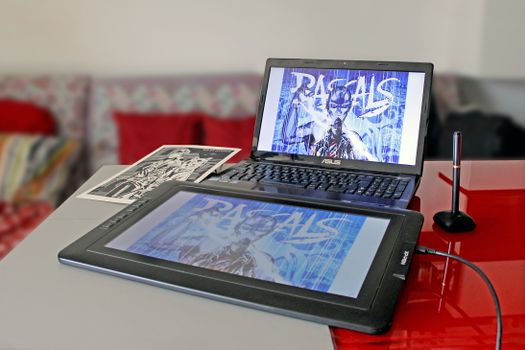 Photo: Daniele / Pexels
 Photo: Zen Chung / Pexels
 Photo: Gu Ko / Pexels
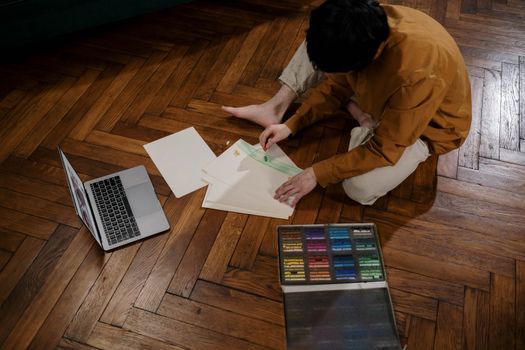 Photo: cottonbro studio / Pexels