
Unveiling the Indigenous Art Meaning Canada
Discover the deep cultural narratives and spiritual connections woven into the vibrant tapestry of Canada's Indigenous artistic traditions.
Explore the ArtKey Takeaways
- ✓ Indigenous art in Canada is a vibrant expression of diverse cultures, histories, and spiritual beliefs of First Nations, Inuit, and Métis peoples.
- ✓ It transcends mere aesthetics, serving as a vital medium for storytelling, preserving traditions, and asserting identity.
- ✓ Art forms vary widely by region and nation, including carving, weaving, painting, beadwork, printmaking, and contemporary digital media.
- ✓ Many pieces carry deep spiritual significance, often depicting ancestral beings, sacred animals, and cosmological narratives.
How It Works
Begin by recognizing that Indigenous art is not a monolithic entity but a collection of distinct cultural expressions. Each piece is rooted in specific community histories, languages, and worldviews.
Learn to identify common symbols, motifs, and patterns that are prevalent in different Indigenous art forms. These elements often convey complex narratives, spiritual teachings, or clan affiliations.
Seek out opportunities to learn directly from Indigenous artists, elders, and cultural knowledge keepers. Their insights provide invaluable context and deepen appreciation for the art's true meaning.
Approach Indigenous art as a form of visual storytelling and historical record. Understand that each artwork holds a story, a teaching, or a connection to the land and ancestors.
The Multifaceted Indigenous Art Meaning in Canada
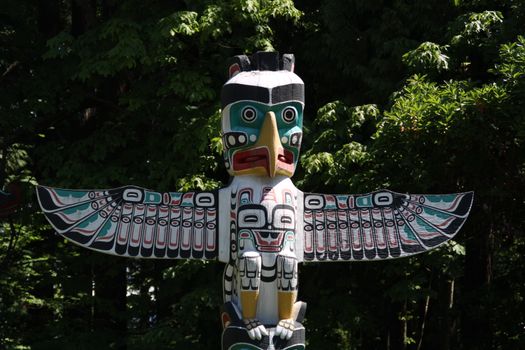 Photo: Michaela St / Pexels
Regional Diversity and Distinct Artistic Expressions
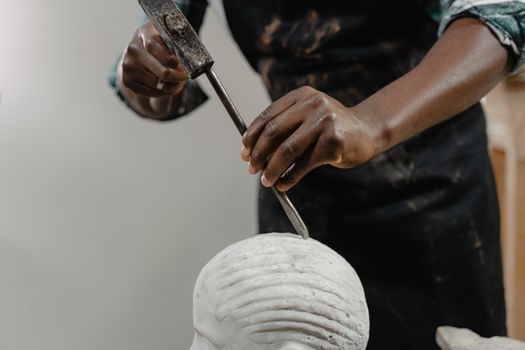 Photo: Tima Miroshnichenko / Pexels
Spiritual Connection and Cultural Preservation in Indigenous Art
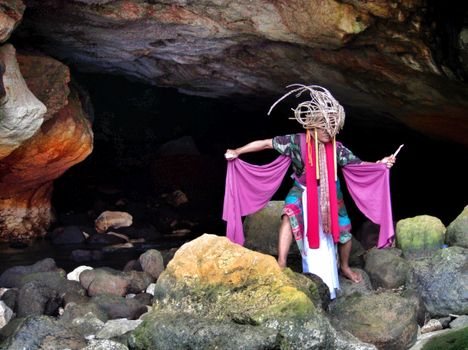 Photo: Ruyat Supriazi / Pexels
Navigating Ethical Engagement with Indigenous Art
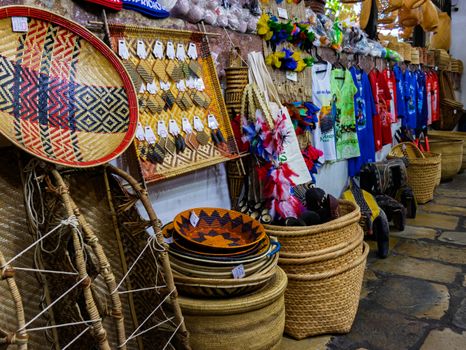 Photo: Eduardo Amorim / Pexels
Comparison
| Feature | First Nations Art | Inuit Art | Métis Art | General Indigenous Art |
|---|---|---|---|---|
| Key Mediums | Wood carving, weaving, painting, beadwork | Stone carving, printmaking, bone/ivory | Beadwork, fingerweaving, embroidery | Diverse materials reflecting local resources |
| Dominant Themes | Ancestral spirits, clan crests, mythological narratives | Arctic animals, human-animal transformation, daily life | Floral motifs, geometric patterns, cultural fusion | Spirituality, connection to land, storytelling |
| Cultural Context | Varies by nation (e.g., Haida, Cree, Salish) | Specific to Inuit communities across Arctic | Blends Indigenous & European influences | Rooted in distinct cultural identities |
| Symbolism Depth | High, often clan-specific and ceremonial | Reflects Arctic worldview and survival | Personal expression and cultural blending | Profound, multi-layered cultural significance |
What Readers Say
"Understanding the indigenous art meaning in Canada transformed my appreciation for the pieces I've seen. It's not just beautiful; it's a living history. I now seek out specific artists and their stories."
Sarah Chen · Vancouver, BC"This article clarified so much about the spiritual and cultural depth of Indigenous art. It's a powerful reminder of resilience and identity, encouraging me to learn even more about specific nations' contributions."
David Miller · Toronto, ON"I used to just see pretty objects, but now I understand the narratives and ancestral connections. This deeper understanding has led me to purchase authentic pieces directly from Indigenous artists, making a real impact."
Anya Sharma · Montreal, QC"While comprehensive, I wish there were more specific examples of how different nations' art forms vary in their spiritual meanings. Still, a very valuable resource for grasping the core indigenous art meaning Canada."
Mark Johnson · Calgary, AB"As someone living in the North, this article articulates the profound significance of Inuit and other Indigenous art beautifully. It's an excellent resource for anyone wanting to respect and understand our cultural expressions."
Emily White · Iqaluit, NUFrequently Asked Questions
What is the primary indigenous art meaning in Canada?
The primary meaning is multifaceted: it serves as a vital medium for cultural transmission, storytelling, historical record-keeping, and the expression of spiritual beliefs and identity. It connects communities to their land, ancestors, and traditions, often having a communal rather than purely individual purpose.
Is all Indigenous art in Canada the same?
Absolutely not. Indigenous art in Canada is incredibly diverse, reflecting the distinct cultures, languages, environments, and histories of hundreds of First Nations, Inuit, and Métis communities. Each nation and region has its unique styles, materials, and symbolic meanings.
How can I ethically support Indigenous artists and art?
Ethical support involves purchasing directly from Indigenous artists or reputable Indigenous-owned galleries, learning about the specific cultural context of the art, respecting cultural protocols regarding designs and stories, and continuously educating yourself to avoid cultural appropriation and stereotypes.
What materials are commonly used in Indigenous art in Canada?
Materials vary widely by region and tradition. Common materials include wood (especially cedar on the Northwest Coast), stone (soapstone for Inuit carvings), animal hides and quills, beads (glass and seed beads), natural pigments, bone, ivory, and plant fibers for weaving and basketry.
How does contemporary Indigenous art relate to traditional forms?
Contemporary Indigenous art often draws deeply from traditional forms, techniques, and symbolism while incorporating modern mediums, styles, and themes. Artists use their heritage to address current social, political, and environmental issues, creating a dynamic and evolving artistic landscape that maintains cultural continuity.
Who should engage with indigenous art meaning Canada?
Everyone should engage with indigenous art in Canada. It offers a profound opportunity for cultural learning, fosters reconciliation, and provides insights into the rich history and enduring resilience of Canada's First Peoples. It's essential for anyone seeking a deeper understanding of Canadian heritage.
Are there specific protocols for viewing or photographing sacred Indigenous art?
Yes, always be mindful and respectful. If an artwork is identified as sacred or ceremonial, inquire about specific protocols before viewing, touching, or photographing. Some communities may have restrictions on documentation to preserve the integrity and sanctity of the art and its associated practices.
What future trends are emerging in Indigenous art in Canada?
Emerging trends include increased use of digital media and technology, a stronger focus on environmental themes and climate change, growing international recognition and market presence, and continued revitalization of endangered traditional art forms through intergenerational knowledge transfer and community initiatives.
Unlocking the indigenous art meaning in Canada is a journey of profound cultural discovery. By engaging with these incredible artistic traditions, you not only appreciate their beauty but also gain a deeper understanding of Canada's true history and the enduring spirit of its Indigenous peoples. Start your exploration today and contribute to the vibrant future of these essential cultural expressions.