Discovering Indigenous Art Galleries British Columbia
indigenous art galleries British Columbia

Discovering Indigenous Art Galleries British Columbia

Immerse yourself in the profound beauty and cultural significance of First Nations art throughout British Columbia.

Explore Galleries Now

Key Takeaways

  • ✓ British Columbia is home to a diverse array of Indigenous art forms, reflecting numerous distinct First Nations.
  • ✓ Many galleries are artist-owned, directly supporting Indigenous creators and their communities.
  • ✓ Art often serves as a vital storytelling medium, preserving history, spirituality, and cultural identity.
  • ✓ Authenticity and ethical sourcing are paramount when purchasing Indigenous art.

How It Works

1
Identify Your Interest

Consider which Indigenous cultures or art styles you are most drawn to, such as Coast Salish, Haida, or Kwakwaka'wakw. Researching these styles can deepen your appreciation.

2
Locate Galleries

Utilize online resources, tourism guides, and local recommendations to find reputable Indigenous art galleries in British Columbia. Look for galleries with strong community ties.

3
Engage and Learn

Visit the galleries, speak with gallerists or artists, and learn about the stories behind the art. This interaction enriches the experience and provides valuable context.

4
Support Ethically

When purchasing, ensure the art is authentic and ethically sourced, directly benefiting Indigenous artists and their communities. Ask about the artist's background and the art's provenance.

The Rich Tapestry of Indigenous Art in British Columbia
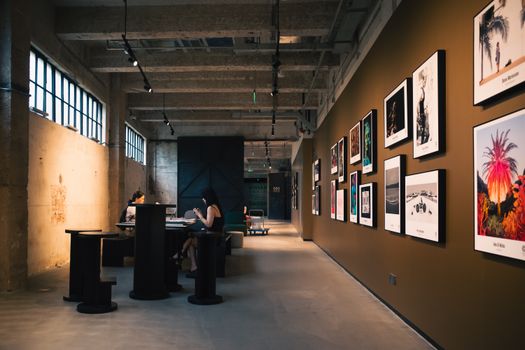
Art gallery hallway with framed artworks and visitors seated inside, under warm lighting. Photo: ProtSilver Chen / Pexels
British Columbia, a province of unparalleled natural beauty, is also a vibrant epicentre for Indigenous art, reflecting the deep histories and diverse cultures of its First Nations. From the intricate carvings of the Haida to the powerful totems of the Kwakwaka'wakw, and the evocative designs of the Coast Salish, the art forms here are as varied as the landscapes themselves. These aren't merely decorative objects; they are living expressions of identity, spirituality, and connection to the land, passed down through generations. Indigenous art galleries across British Columbia serve as crucial custodians of these traditions, offering windows into the souls of these ancient and enduring cultures. Historically, Indigenous art was integral to daily life, ceremony, and governance. Masks, regalia, poles, and basketry all carried profound meaning and function. Today, while many traditional forms persist, contemporary Indigenous artists are also pushing boundaries, blending ancestral techniques with modern influences to create new, dynamic expressions. This evolution ensures the art remains relevant and continues to tell stories for future generations. Visiting an Indigenous art gallery in BC is more than just viewing art; it's an immersive cultural experience. It’s an opportunity to learn about the protocols, mythologies, and social structures that underpin these artistic traditions. Many galleries are not just commercial spaces but cultural hubs, often featuring educational programs, artist talks, and demonstrations. They play a vital role in cultural revitalization, providing platforms for artists to share their heritage and for non-Indigenous people to engage respectfully with these profound artistic legacies. Understanding the regional differences is key to appreciating the breadth of Indigenous art in BC. The northern coastal nations, like the Haida, Tsimshian, and Gitxsan, are renowned for their bold, curvilinear forms, often depicting supernatural beings and crest figures. The central coast, home to the Kwakwaka'wakw and Nuu-chah-nulth, is known for its dramatic masks used in elaborate potlatch ceremonies. Further south, the Coast Salish people, whose traditional territories encompass much of Vancouver Island and the Lower Mainland, create art characterized by elegant formline designs, often featuring human and animal figures intertwined. Each style tells a unique story, reflecting distinct belief systems, environments, and social structures. Engaging with these diverse artistic expressions helps foster a deeper appreciation for the multifaceted Indigenous heritage of British Columbia. This journey of discovery through these indigenous arts institutions is both educational and deeply moving, forging connections between past and present, and across cultures.

Spotlight on Prominent Indigenous Art Galleries in BC
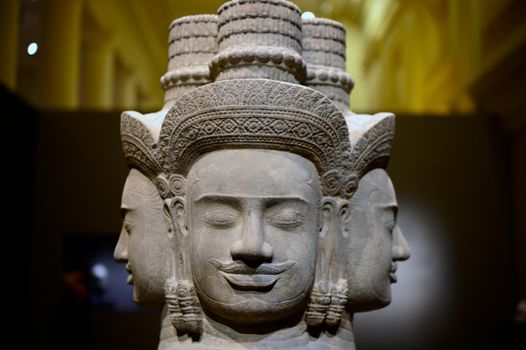
Close-up view of a detailed stone sculpture depicting a multi-faced Hindu deity in a museum setting. Photo: Chen Te / Pexels
British Columbia boasts a remarkable selection of Indigenous art galleries, each offering a unique perspective on the province's rich cultural heritage. These institutions range from large, well-established centres to intimate, artist-run spaces, all dedicated to showcasing authentic Indigenous creations. In Vancouver, a prime destination is the Bill Reid Gallery of Northwest Coast Art. This gallery is a beacon for Haida art, featuring the iconic works of Bill Reid himself, alongside contemporary pieces by established and emerging Indigenous artists. Its mission extends beyond display, focusing on education and the celebration of Haida culture, making it an essential stop for anyone interested in the region's artistic legacy. Another significant institution is the Museum of Anthropology at UBC. While not exclusively an art gallery, its world-renowned collection of First Nations art and cultural artifacts, particularly its stunning array of totem poles and ceremonial objects, offers an unparalleled historical context for contemporary Indigenous art. Its outdoor poles and indoor displays provide a powerful narrative of Indigenous presence and artistic mastery. On Vancouver Island, especially in Victoria, galleries like the Alcheringa Gallery have long been champions of Indigenous art, showcasing a wide range of Northwest Coast pieces, from carvings and prints to jewellery. These galleries often work directly with artists, ensuring fair trade and promoting the authenticity of the artwork. Beyond the major urban centres, smaller communities across BC also host vital Indigenous art spaces. For instance, along the scenic Sea-to-Sky Highway, Squamish Lil'wat Cultural Centre in Whistler is a magnificent example of a cultural institution that integrates an art gallery with immersive cultural experiences. It presents the history and art of the Squamish and Lil'wat Nations through interactive exhibits, traditional performances, and a gallery featuring contemporary works. On Haida Gwaii, the Haida Heritage Centre at Kay Llnagaay is an absolute must-visit. This stunning complex not only houses incredible Haida art but also serves as a living cultural centre, deeply connected to the community it represents. When exploring these galleries, pay attention to the stories behind the art and the artists themselves. Many galleries provide biographies and cultural context for each piece, enriching the viewing experience. Look for opportunities to engage with artists directly, as many often visit or have studios connected to galleries. This direct interaction offers invaluable insights into their creative process, the cultural significance of their work, and the challenges and triumphs of contemporary Indigenous artistry. These galleries are not just places of commerce; they are vital cultural touchstones, preserving and promoting the profound artistic traditions of British Columbia's First Peoples.

Understanding and Appreciating Indigenous Art Forms
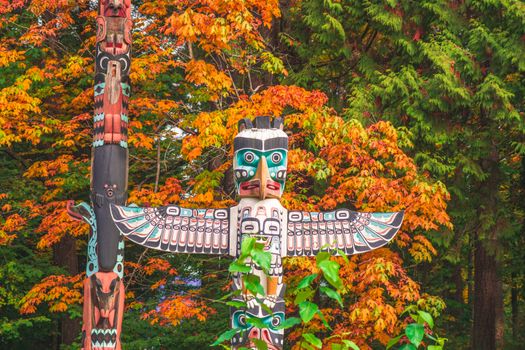
Vibrant totem pole amidst autumn foliage in Vancouver, Canada, showcasing indigenous art. Photo: Kostas Dimopoulos / Pexels
To truly appreciate Indigenous art from British Columbia, it's essential to move beyond a purely aesthetic viewpoint and delve into the cultural contexts and artistic conventions that give these works their profound meaning. Each piece is a narrative, a prayer, a historical record, or a spiritual connection. One of the most recognizable forms is the totem pole, particularly prevalent among the northern coastal nations like the Haida, Tsimshian, and Kwakwaka'wakw. These monumental carvings are not religious idols but rather heraldic devices, telling family histories, clan lineages, important events, and mythological stories. The figures on a pole are read from bottom to top, or sometimes top to bottom, each representing a specific ancestor, spirit helper, or significant event in the family's history. Understanding the iconography – the specific animals and creatures – is crucial, as each carries symbolic weight and often represents a family crest. Another distinctive style is the 'formline' design, characteristic of Northwest Coast Indigenous art. This unique artistic language uses swelling and tapering lines, ovoids, U-forms, and S-forms to create intricate, flowing designs. Animals and human figures are often depicted in a 'split representation,' where the creature is split down the middle and laid flat, allowing both sides to be seen simultaneously. This complex style requires immense skill and precision, and its mastery is a hallmark of a accomplished artist. Jewellery, particularly silver and gold work, also showcases these formline designs, often depicting animal crests or spirit figures that hold personal or familial significance. Basketry, weaving, and textile arts are also incredibly significant, especially among the Coast Salish and Nuu-chah-nulth nations. These traditions often incorporate natural materials like cedar bark, spruce root, and wool, dyed with natural pigments. The patterns and techniques used in weaving are often passed down through generations, embodying ancient knowledge and connection to the land. Chilkat weaving, for example, is a highly complex and distinctive form of textile art primarily practiced by the Tlingit, Tsimshian, and Haida, known for its intricate curvilinear designs and use of mountain goat wool and cedar bark. Each stitch and pattern holds cultural meaning, often reflecting clan designs or spiritual beliefs. When you encounter these art forms in galleries, take the time to read the accompanying descriptions. Many pieces come with detailed explanations of the imagery, the artist's background, and the cultural significance of the work. This educational aspect transforms viewing into a deeper engagement, allowing you to appreciate the artistry not just for its beauty but for the rich layers of meaning it conveys. Supporting these authentic art forms helps to sustain these vital cultural practices.

Ethical Engagement and Supporting Indigenous Artists

When exploring Indigenous art galleries in British Columbia, ethical engagement is paramount. The issue of authenticity and cultural appropriation has been a significant concern within the Indigenous art world for decades. Unfortunately, there are instances of non-Indigenous artists creating work that mimics Indigenous styles or themes, often without proper understanding, permission, or acknowledgment, and sometimes even misrepresenting it as authentic Indigenous art. This practice not only diminishes the cultural value of the art but also deprives Indigenous artists of fair recognition and economic opportunities. To ensure you are supporting genuine Indigenous artists and their communities, there are several key considerations. Firstly, always seek out galleries that explicitly state their commitment to ethical sourcing and direct support for Indigenous creators. Reputable galleries will proudly display information about the artist's Nation, lineage, and the cultural context of their work. Don't hesitate to ask gallerists about the artist's background and how they ensure authenticity. Many Indigenous art organizations and cultural centres also provide certifications or provenance documentation for their pieces. Secondly, consider purchasing directly from Indigenous artists at cultural events, markets, or through their own online platforms when possible. This ensures that 100% of the proceeds go directly to the artist. Many artists are keen to share their stories and process, offering a more personal and enriching experience. When buying from a gallery, inquire about their commission structure and how they support the artists they represent. Look for galleries that have long-standing relationships with Indigenous communities and are actively involved in cultural preservation and education. Finally, educate yourself. Learn about the specific cultural protocols and artistic traditions of the First Nations whose art you are interested in. Understanding the significance of certain symbols, colours, and forms will not only enhance your appreciation but also help you identify authentic work. Supporting Indigenous art is more than just a transaction; it's an act of respect, reconciliation, and cultural exchange. By making conscious choices, you contribute to the economic well-being of Indigenous communities, help preserve invaluable artistic traditions, and honour the profound cultural heritage of British Columbia's First Peoples. Avoid mass-produced items that lack specific artist attribution or cultural context, as these are often not authentic Indigenous creations.

Comparison

FeatureBill Reid Gallery (Vancouver)Museum of Anthropology (UBC)Alcheringa Gallery (Victoria)
FocusHaida & Northwest Coast ContemporaryHistorical & Ethnographic CollectionsNorthwest Coast Contemporary & Traditional
Artist ConnectionShowcases Bill Reid's legacy & new artistsPrimarily historical collection, some contemporaryDirect artist relationships, ethical sourcing
Experience TypeDedicated art gallery, educationalMuseum with extensive art, cultural contextCommercial gallery, personal service
AccessibilityCentral Vancouver, accessibleUBC campus, bus/car accessibleDowntown Victoria, walkable

What Readers Say

"Visiting the Bill Reid Gallery was an incredibly moving experience. The depth of the art and the stories shared truly brought the Indigenous culture of British Columbia to life. I learned so much about Haida traditions."

Sarah Chen · Vancouver, BC

"I was deeply impressed by the authenticity and range of art at one of the indigenous art galleries in British Columbia. The gallerist was so knowledgeable and helped me find a beautiful, ethically sourced print."

David Miller · Seattle, WA

"The Squamish Lil'wat Cultural Centre provided an unparalleled experience. Not only did I see incredible art, but the cultural presentations gave me a profound understanding of the traditions, making my purchase even more meaningful."

Maria Rodriguez · Toronto, ON

"While some indigenous art galleries in British Columbia are smaller, the personal touch and direct connection to local artists made it worthwhile. It's important to do your research to find the right fit for your interests."

John Kim · Calgary, AB

"As an international visitor, I was eager to experience authentic Indigenous art. The galleries in BC exceeded my expectations, offering a respectful and enriching insight into Canada's First Nations heritage. A must-do!"

Emily White · London, UK

Frequently Asked Questions

What kind of Indigenous art can I expect to see in British Columbia?

British Columbia offers a vast array of Indigenous art, including traditional and contemporary works. You'll find intricate carvings (like totem poles, masks, and boxes), detailed prints (serigraphs, lithographs), jewellery (silver, gold, copper), basketry, weaving, and paintings, reflecting diverse First Nations styles such as Haida, Kwakwaka'wakw, Coast Salish, and Tsimshian.

How can I ensure I'm buying authentic Indigenous art?

To ensure authenticity, purchase from reputable Indigenous-owned galleries, cultural centres, or directly from artists. Look for clear artist attribution, Nation affiliation, and provenance. Many legitimate pieces will come with certificates of authenticity. Be wary of generic 'Native-style' art sold in tourist shops without specific artist details.

Are there any specific etiquette tips for visiting Indigenous art galleries?

Approach Indigenous art with respect and an open mind. If photography is allowed, ask permission first, especially for specific pieces. Engage with gallerists or artists respectfully, asking questions to deepen your understanding. Remember that many pieces hold deep cultural and spiritual significance, so treat them with reverence.

What is the typical price range for Indigenous art in BC?

The price range for Indigenous art varies greatly depending on the artist's renown, the medium, size, and complexity of the piece, and whether it's an original or a limited edition print. Small prints can start from under $100, while significant carvings, original paintings, or high-end jewellery can range from several hundred to tens of thousands of dollars. There's art available for various budgets.

How do Indigenous art galleries contribute to reconciliation?

Indigenous art galleries play a crucial role in reconciliation by providing platforms for Indigenous voices, preserving and revitalizing cultural practices, educating the public about Indigenous histories and contemporary realities, and supporting Indigenous economies. They foster understanding, respect, and a deeper appreciation for Indigenous contributions to Canadian society.

Who should visit indigenous art galleries British Columbia?

Anyone interested in art, history, culture, and social justice should visit Indigenous art galleries in British Columbia. They are particularly beneficial for tourists seeking authentic cultural experiences, educators and students, art collectors, and individuals looking to deepen their understanding of Canada's Indigenous peoples and their profound artistic heritage.

Is it safe to buy Indigenous art online from BC galleries?

Yes, buying Indigenous art online from reputable BC galleries is generally safe. Look for galleries with secure websites, clear return policies, and excellent customer service. Many established galleries have robust online presences and ship internationally, ensuring your purchase arrives safely and is authentically represented.

What is the future trend for Indigenous art in British Columbia?

The future of Indigenous art in British Columbia is vibrant and dynamic. Expect continued innovation as contemporary artists blend traditional techniques with modern media and themes, addressing current social and environmental issues. There's also a growing focus on digital platforms for showcasing and selling art, and increased international recognition, further elevating the profiles of BC's Indigenous artists.

Embark on a meaningful journey through the Indigenous art galleries of British Columbia. Each visit offers not just beautiful artwork, but a profound connection to the land, history, and vibrant cultures of Canada's First Peoples. Support authentic art and enrich your understanding of this incredible heritage.

Topics: indigenous art galleries British ColumbiaFirst Nations art BCCoast Salish art galleriesHaida art VancouverNative art Canada
Leo List

DK Escorts LU Escorts AT Escorts SE Escorts FI Escorts CH Escorts DE Escorts HR Escorts IE Escorts GR Escorts CZ Escorts NO Escorts BE Escorts FR Escorts SI Escorts IL Escorts NL Escorts PL Escorts HU Escorts ES Escorts IT Escorts PT Escorts SK Escorts RO Escorts ZA Escorts UY Escorts US Escorts UK Escorts NZ Escorts AU Escorts
Brampton weed
Adultwork EstrelaBet Vai de Bet R7 Bet Betão Galera Bet Rainbet Bet9ja Shop SportyBet BetKing Sisal Loto Foot Hollywoodbets YesPlay Odibets RushBet Jugabet BetWarrior BetCity MSport betPawa Fortebet