✓ You don't need expensive supplies to start painting.
✓ Acrylics are often recommended for beginners due to their versatility and quick drying time.
✓ Local art stores and community centers across Canada offer beginner-friendly classes.
✓ Practice and experimentation are more important than perfection when starting out.
How It Works
1
Gather Your Basic Supplies
Start with a few essential items like paints, brushes, and a surface. You don't need to break the bank to get started.
2
Understand Different Paint Types
Learn about acrylics, oils, and watercolors to choose what suits your initial interests. Each medium has unique properties and drying times.
3
Explore Basic Techniques
Experiment with colour mixing, brush strokes, and layering. Online tutorials and local workshops are excellent resources for learning.
4
Find Local Resources & Community
Discover art stores, classes, and groups in your Canadian community. Connecting with other artists can enhance your learning experience.
Essential Painting Supplies for Canadian Beginners
Embarking on your painting journey in Canada doesn't require a massive investment, but understanding the basic tools is crucial. For beginners, the sheer volume of options can be overwhelming, but we'll break down the essentials to get you started without unnecessary expense. The first decision often revolves around the type of paint. Acrylics are widely recommended for novices. They are water-soluble, meaning easy cleanup with just water, dry quickly, and are versatile, allowing for both thin washes and thick, impasto textures. This quick drying time is a significant advantage, as it allows you to layer colours without long waits and correct mistakes easily. Brands like Liquitex Basics, Reeves, or Artist's Loft are excellent, affordable choices readily available at Canadian art supply stores like DeSerres, Opus Art Supplies, or even larger retailers like Michaels. Expect to spend around $30-$60 for a starter set of acrylic tubes (typically 6-12 colours), which will provide a good foundation for colour mixing.
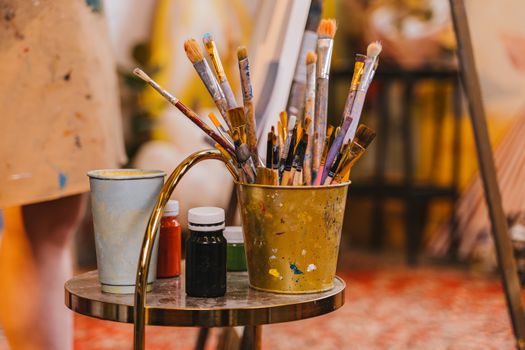
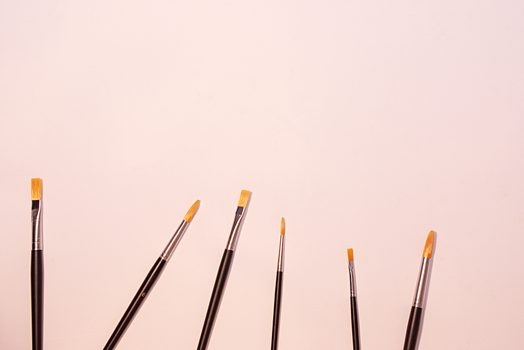
Next, you'll need brushes. A common mistake beginners make is buying too many specialized brushes. Start with a basic set that includes a few different shapes and sizes: a flat brush (for broad strokes), a round brush (for details), and a filbert brush (a versatile option). Look for synthetic bristles, as they work well with acrylics and are durable. A set of 3-5 brushes will suffice initially, costing around $15-$30. Surfaces are another key component. Canvas panels or stretched canvases are popular, but don't overlook more affordable options like thick paper (e.g., watercolour paper or mixed-media paper at 140lb/300gsm or higher) or even gesso-primed cardboard. A pack of canvas panels (e.g., 5-pack of 8x10 or 9x12 inches) can be found for $10-$20.
Beyond these core items, consider a palette (a ceramic plate, plastic palette, or even wax paper works), a couple of water containers (old yogurt containers are perfect), and paper towels or rags for cleanup. A small bottle of gesso, a primer, is also useful if you plan to paint on non-primed surfaces or want to give your canvases an extra layer of tooth. Remember, the goal is to experiment and learn, not to produce masterpieces from day one. Investing in mid-range student-grade supplies is a smart approach; they offer better pigment quality and workability than craft paints without the premium price of artist-grade materials. Many Canadian art stores offer beginner kits that bundle these essentials, providing a convenient and often cost-effective way to get started. Don't be afraid to ask staff at local art shops for recommendations – they are often artists themselves and can offer invaluable advice tailored to your budget and aspirations. For more on general art supplies, check out our guide on choosing art materials.
Understanding Different Painting Mediums for Beginners in Canada
As you embark on your artistic journey in Canada, one of the most exciting decisions you'll make is choosing your painting medium. While acrylics are often lauded as the beginner's best friend, it's worth understanding the characteristics of other popular mediums: oils and watercolors. Each offers a unique experience and set of challenges and rewards.
**Acrylic Paints:** As mentioned, acrylics are incredibly versatile. They dry quickly, which allows for fast layering and prevents colours from blending unintentionally if you prefer sharp distinctions. This quick drying time also means you can finish a piece relatively quickly. Cleanup is a breeze with just water and soap, making them ideal for home use without special solvents. Acrylics can be used thinly like watercolors or thickly like oils, and they adhere to almost any surface – canvas, wood, paper, fabric. Their non-toxicity is another significant advantage, especially if you're painting in a shared space or with children. Many Canadian art schools and workshops for beginners start with acrylics for these very reasons. Their forgiving nature makes them perfect for experimentation without the pressure of ruining an expensive canvas or taking days for a layer to dry.
**Oil Paints:** Oil paints have a rich history and are known for their vibrant colours, smooth blending capabilities, and long drying times. This extended drying period can be both a blessing and a curse. It allows for meticulous blending and reworking of areas for days, creating seamless transitions and a luminous quality that's hard to achieve with other mediums. However, it also means a painting can take weeks or even months to fully dry, requiring patience. Oil paints typically require solvents (like turpentine or mineral spirits) for cleanup and thinning, which can have strong fumes and require proper ventilation. While there are water-mixable oils now available that simplify cleanup, traditional oils can be a bit more challenging for a complete novice due to the longer drying times and solvent requirements. Despite this, many artists find the depth and richness of oil colours unparalleled. If you're drawn to classical painting styles or enjoy a slower, more deliberate process, oils might be for you, but perhaps after you've gained some confidence with acrylics.
**Watercolors:** Watercolors are characterized by their transparency and luminosity. They create beautiful washes and delicate layers, making them ideal for landscapes, botanical art, and expressive, fluid compositions. They are also portable and require minimal cleanup (just water). The challenge with watercolors lies in their unforgiving nature – once a stroke is down, it's difficult to completely erase or cover. This requires a certain level of planning and precision, which can be daunting for beginners. However, the beauty of their spontaneous flow and the way colours interact on paper is incredibly rewarding. If you're interested in lighter, more ethereal effects and enjoy working with the paper's white as a light source, watercolors could be a fascinating path. Many Canadian artists find inspiration in the country's diverse landscapes, often captured beautifully through the fluid nature of watercolors. Each medium offers a distinct artistic voice; experimenting with student-grade versions of each can help you find your preferred expressive tool. Don't feel pressured to stick to one; many artists enjoy working across multiple mediums.
Mastering Basic Painting Techniques and Colour Theory in Canada
Once you have your supplies and have chosen a medium, the next step in how to start painting for beginners in Canada is to dive into basic techniques and grasp the fundamentals of colour theory. These foundational skills are your building blocks, allowing you to move from simple strokes to more complex compositions. Don't worry about perfection; focus on understanding the principles.
**Brushwork and Strokes:** Your brush is an extension of your hand. Experiment with how different brushes create different marks. A flat brush can create broad, even strokes or thin lines when used on its edge. A round brush is excellent for organic shapes and details. Try varying the pressure you apply – light pressure for delicate lines, heavier pressure for bolder marks. Practice making consistent strokes, then vary them. Try dry brushing (using very little paint on a dry brush) for textured effects, or wet-on-wet (applying wet paint to a wet surface) for soft, blended areas, especially with watercolors or thinned acrylics. Understanding how to control your brush is paramount to expressing your vision.
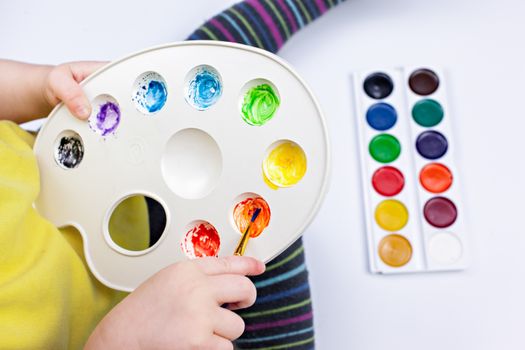
**Colour Mixing:** This is arguably one of the most crucial aspects of painting. Start with a limited palette: red, blue, yellow (your primary colours), plus black and white. From these, you can mix an incredible array of secondary colours (orange, green, purple) and tertiary colours. Learn how to create tints (adding white to lighten a colour), shades (adding black to darken), and tones (adding grey). Understanding complementary colours (those opposite each other on the colour wheel, like red and green) is also vital, as they create vibrant contrasts or can be used to neutralize each other. Practice mixing colours on your palette, noting how they change. Don't be afraid to create mud – it's part of the learning process! The more you mix, the more intuitive it becomes.
**Layering and Glazing:** Layering involves applying multiple coats of paint. With acrylics, this is straightforward due to quick drying. You can build up opacity or create subtle shifts in colour. Glazing is a technique of applying thin, transparent layers of paint over a dry layer. This allows the underlying colour to show through, creating depth, luminosity, and rich, vibrant effects. It's particularly effective in oil painting but can also be achieved with thinned acrylics.
**Composition and Perspective:** While seemingly advanced, even basic understanding of composition can elevate your beginner paintings. Think about the Rule of Thirds – imagine dividing your canvas into a 3x3 grid and placing your focal points along the lines or at their intersections. This creates more dynamic and interesting compositions than simply centering everything. Basic perspective, like how objects appear smaller further away, can add depth. Don't get bogged down in complex perspective grids initially, but simply observe how things recede in space.
Many Canadian community art centres and online platforms offer introductory courses that specifically focus on these foundational techniques. Engaging with these resources can provide structured learning and valuable feedback. For more inspiration on artistic expression, explore our article on unleashing your creativity. Remember, painting is a journey of continuous learning and exploration. Embrace every brushstroke as a step forward.
Finding Resources and Community for Canadian Beginner Painters
Starting a new hobby like painting can be even more rewarding when you connect with a community and utilize local resources. For beginners in Canada, there are numerous avenues to explore, from physical art stores to online groups and local classes, all designed to support your artistic growth.
**Local Art Supply Stores:** Beyond just purchasing materials, Canadian art supply stores like DeSerres, Opus Art Supplies, Curry's Art Supplies, and smaller independent shops are invaluable hubs. The staff are often artists themselves and can provide personalized recommendations, explain product differences, and even offer tips. Many stores host workshops or have bulletin boards advertising local classes and art events. Consider visiting one and simply asking for advice on beginner kits or specific mediums. They are a treasure trove of information and a great place to see materials in person before you buy.
**Art Classes and Workshops:** This is perhaps the most effective way for beginners to learn. Community centres, local art galleries, and dedicated art schools across Canada offer beginner-friendly painting classes. Look for introductory courses in acrylics, oils, or watercolors. These classes provide structured learning, hands-on guidance from experienced instructors, and the opportunity to paint alongside other beginners. This environment fosters a sense of camaraderie and allows for immediate feedback on your techniques. Search online for "beginner painting classes [your city/region] Canada" to find local options. Many offer one-day workshops or short series, allowing you to try different mediums or styles without a long-term commitment.
**Online Resources and Communities:** The digital age has opened up a world of learning opportunities. Websites like YouTube are filled with free painting tutorials for every medium and skill level. Platforms like Skillshare or Domestika offer paid courses from professional artists. Look for Canadian artists who share their techniques, as they might reference local landscapes or styles. Online art communities on platforms like Facebook groups (e.g., "Canadian Artists Community") or Reddit (r/painting, r/learntopaint) allow you to share your work, ask questions, and get constructive criticism from a global community of artists. These platforms can be incredibly motivating and provide a sense of belonging, especially if you prefer to paint solo.
**Art Groups and Meetups:** Many Canadian cities have informal art groups or meetups where artists gather to paint together, share ideas, and offer support. These can range from structured critique groups to casual 'plein air' (outdoor) painting sessions. Check local community listings, art gallery websites, or social media groups to find such gatherings. Participating in these groups can boost your confidence, expose you to different styles, and help you network with fellow artists. Remember, the journey of an artist is often a shared one. Embracing these resources will not only enhance your technical skills but also enrich your overall artistic experience in Canada. Don't underestimate the power of seeing other people's creative process and having a space to share your own.
Comparison
Feature
Acrylics (Best for Beginners)
Oils (Intermediate/Advanced)
Watercolors (Challenging but Rewarding)
Drying Time
Fast (minutes)
Slow (days/weeks)
Fast (seconds/minutes)
Cleanup
Water & Soap
Solvents (turpentine, mineral spirits)
Water
Versatility
High (thick/thin, many surfaces)
Moderate (rich blending, specific surfaces)
High (transparent washes, delicate layers)
Cost (Beginner Set)
$30-$60 CAD
$50-$100+ CAD
$25-$70 CAD
Fumes/Toxicity
Low/None
Moderate/High (with traditional solvents)
Low/None
Ease of Correction
✓
✓ (while wet)
✗ (difficult)
Recommended for Beginners
✓
✗
✓ (for specific styles)
What Readers Say
★★★★★
"This guide on how to start painting for beginners in Canada was a game-changer! I had no idea where to begin with local supplies and classes, but it pointed me to an amazing art store in Kitsilano and a community workshop. My first canvas isn't perfect, but I'm absolutely loving the process."
Sarah Chen · Vancouver, BC
★★★★★
"As a complete novice, I found the breakdown of acrylics versus oils incredibly helpful. The advice on starting with affordable student-grade materials saved me a lot of money and allowed me to experiment without fear. Now I'm confidently mixing colours."
Marc Dubois · Montreal, QC
★★★★★
"I was overwhelmed by all the options for painting supplies. This article helped me narrow down my choices and find a beginner acrylic set at Michaels. Within a week, I've already completed three small abstract pieces I'm proud of – a concrete result of following this advice!"
Jessica Lee · Toronto, ON
★★★★★
"The information on local Canadian art communities was great. I found a local art meetup through their suggestions, which has been fantastic for getting feedback. I wish there were a few more specific recommendations for online Canadian art instructors, but overall, very solid advice."
David Miller · Calgary, AB
★★★★★
"I'm a busy mom and thought I'd never have time to learn painting. This guide provided practical steps that made it feel achievable. Starting with small, quick acrylic projects has fit perfectly into my schedule, and it's a wonderful creative outlet."
Emily Wong · Halifax, NS
Frequently Asked Questions
What's the absolute best type of paint for beginners in Canada to start with?
For beginners in Canada, acrylic paints are highly recommended. They are versatile, water-soluble for easy cleanup, dry quickly allowing for layering and corrections, and are generally non-toxic. They are widely available and relatively affordable in Canadian art supply stores.
Do I need to be naturally talented to start painting?
Absolutely not! Painting is a skill that can be learned and developed through practice, patience, and good instruction. Many acclaimed artists started with no inherent 'talent.' Focus on the joy of the process and continuous learning rather than innate ability.
How do I find beginner painting classes near me in Canada?
You can find beginner painting classes by searching online for 'beginner painting classes [your city/province] Canada,' checking local community centre websites, art galleries, or dedicated art schools. Many art supply stores also have bulletin boards or host workshops.
How much should I expect to spend on beginner painting supplies in Canada?
You can comfortably start painting with a budget of $75-$150 CAD for quality student-grade supplies. This typically covers a basic set of acrylic paints, a few brushes, canvas panels, a palette, and other small essentials. Avoid expensive artist-grade materials initially.
Is it better to learn painting online or in-person in Canada?
Both online and in-person learning have their merits. In-person classes offer direct feedback and community interaction, while online courses provide flexibility and access to a wider range of instructors. Many beginners benefit from a mix of both, starting with in-person for foundational skills and using online resources for continued practice.
Who should consider starting painting as a hobby?
Anyone looking for a creative outlet, a way to relax and de-stress, or a new skill to develop should consider painting. It's a fantastic hobby for individuals of all ages and backgrounds, providing a sense of accomplishment and a unique form of self-expression.
Are there any safety concerns with painting for beginners?
For most beginner mediums like acrylics and watercolors, safety concerns are minimal as they are non-toxic and water-soluble. If working with oil paints, ensure good ventilation as some solvents can have fumes. Always read product labels for specific safety instructions, especially if working with children.
What are some emerging trends in painting that beginners in Canada might find interesting?
Emerging trends include digital painting (using tablets and software), fluid art (pour painting), and a renewed interest in sustainable art practices using eco-friendly materials. Many Canadian artists are also exploring themes of local landscapes and Indigenous art forms, offering rich inspiration.
Ready to unleash your inner artist? Starting your painting journey in Canada is more accessible than you think. With the right beginner supplies, a willingness to experiment, and the support of local communities, you'll be creating beautiful art in no time. Grab your brushes and let your creativity flow – your Canadian masterpiece awaits!