✓ Canadian art began with Indigenous traditions, predating European arrival by millennia.
✓ The Group of Seven revolutionized Canadian landscape painting in the early 20th century.
✓ Automatistes and Plasticiens brought abstract art to the forefront in Quebec.
✓ Post-war art saw a significant shift towards abstraction and international influences.
How It Works
1
Begin with Indigenous Roots
Understand the foundational artistic expressions of First Nations, Inuit, and Métis peoples, which deeply inform later Canadian art. These traditions are rich in storytelling, spirituality, and connection to the land.
2
Explore Early European Influences
Trace the arrival of European artistic styles and their adaptation to the Canadian landscape and colonial experience. This period saw the rise of portraiture, religious art, and early landscape depictions.
3
Discover Modern Canadian Art
Delve into the revolutionary periods of the Group of Seven, Automatistes, and other movements that forged a distinct Canadian artistic identity. These artists sought to capture the unique essence of the Canadian wilderness and urban life.
4
Connect to Contemporary Expressions
Witness the evolution of Canadian art into diverse contemporary forms, addressing social, political, and environmental themes. Modern artists continue to push boundaries and reflect Canada's multicultural tapestry.
The Enduring Legacy of Indigenous Art in Canada
Photo: Uzay Yildirim / Pexels
The rich tapestry of Canadian art history begins not with European settlers, but with the vibrant and diverse artistic traditions of Indigenous peoples that span millennia. Long before the arrival of Europeans, First Nations, Inuit, and Métis communities across what is now Canada developed sophisticated art forms deeply intertwined with their spiritual beliefs, social structures, and relationship to the land. These artistic expressions are not merely decorative; they are profound conveyors of knowledge, history, and cultural identity. From the intricate carvings of the Northwest Coast, such as totem poles and masks, which tell ancestral stories and signify lineage, to the powerful rock art found across the Canadian Shield, depicting spiritual journeys and historical events, Indigenous art is a living testament to enduring cultures. The Inuit, masters of stone, bone, and ivory, create sculptures that capture the essence of Arctic wildlife and human experience with remarkable sensitivity and skill. Their prints, developed in the mid-20th century, quickly gained international acclaim, offering a window into their unique worldview. Similarly, the beadwork, quillwork, and textile arts of various First Nations groups demonstrate incredible craftsmanship and symbolic depth, often incorporating natural materials and designs passed down through generations. These early artistic practices laid the foundational bedrock for what would eventually become Canadian art. They represent a continuous artistic lineage that, despite colonial disruption, has persevered and continues to evolve, influencing and enriching the broader Canadian artistic landscape. Understanding the significance of Indigenous art is paramount to comprehending the full scope and depth of Canada's artistic heritage. It is a narrative of resilience, innovation, and profound connection to place, offering perspectives that are both ancient and strikingly contemporary. Many contemporary Indigenous artists draw upon these traditional forms and narratives, reinterpreting them through modern mediums and addressing contemporary issues, thereby ensuring the legacy continues to thrive and adapt in the 21st century. Their work challenges conventional notions of art and identity, advocating for decolonization and celebrating cultural resurgence. This foundational period of art in Canada is not a static historical chapter but a dynamic, ongoing conversation that continues to shape our understanding of creativity and belonging.
Colonial Encounters and the Search for a National Identity in Art
Photo: Josue Canceco / Pexels
Following European contact, the artistic landscape of Canada began to shift, incorporating new techniques, materials, and thematic concerns. Early European artists in Canada were often explorers, military officers, or missionaries who documented the land, its inhabitants, and the unfolding colonial project through a European lens. Their works, primarily in the traditions of landscape painting, portraiture, and genre scenes, offered the first visual records from an external perspective. Artists like Paul Kane, who travelled extensively through the Canadian West in the mid-19th century, produced valuable ethnographic records of First Nations peoples, albeit through a romanticized and sometimes inaccurate colonial gaze. Cornelius Krieghoff, active in Quebec, became known for his vibrant depictions of habitant life, winter scenes, and the picturesque Canadian landscape, offering a glimpse into early colonial society. These artists, while often working within established European academic traditions, began the slow process of adapting their styles to the unique vastness and ruggedness of the Canadian environment. The late 19th and early 20th centuries saw a growing desire among Canadian artists to move beyond mere documentation and to forge a distinct national artistic identity. This sentiment was fueled by a rising sense of Canadian nationalism and a rejection of subservience to European artistic dictates. The Royal Canadian Academy of Arts, founded in 1880, played a role in professionalizing the arts, but its adherence to traditional academic styles often clashed with the burgeoning modernist impulses. It was against this backdrop that the Group of Seven emerged as a revolutionary force. Comprising artists like Tom Thomson (though he died before the group officially formed), Lawren Harris, J.E.H. MacDonald, Arthur Lismer, Frederick Varley, Frank Johnston, and Franklin Carmichael, this collective sought to capture the raw, untamed spirit of the Canadian wilderness. Their bold brushstrokes, vibrant colours, and simplified forms departed dramatically from European naturalism, presenting a vision of Canada that was both majestic and uniquely northern. They believed that by painting the Canadian landscape in a distinct way, they could help define a national character. Their influence was profound, establishing a benchmark for Canadian landscape painting and inspiring subsequent generations to look to their own environment for artistic inspiration. This period marks a crucial turning point in the history of Canadian art, as artists actively sought to define what it meant to create 'Canadian' art, moving away from purely imitative practices towards an authentic expression of their homeland.
Modernism and Post-War Transformations in Canadian Art
Photo: Landiva Weber / Pexels
The mid-20th century ushered in a period of intense artistic experimentation and diversification in Canada, moving beyond the landscape-centric focus of the Group of Seven towards a broader engagement with international modernism. While the Group of Seven had established a uniquely Canadian aesthetic, subsequent generations felt the need to explore other artistic avenues, particularly abstraction. In Quebec, a particularly dynamic scene emerged with the Automatistes, led by Paul-Émile Borduas. Influenced by European Surrealism and automatism, they advocated for spontaneous, unconscious creation as a path to artistic freedom and social liberation. Their 1948 manifesto, *Refus Global*, was a scathing critique of conservative Quebec society and a powerful call for artistic and intellectual autonomy, challenging religious dogma and traditional values. Their abstract paintings, characterized by fluid forms and vibrant colours, marked a significant break from representational art and had a lasting impact on Quebec's cultural and political landscape. Following the Automatistes, the Plasticiens, including Guido Molinari and Claude Tousignant, emerged in Quebec, emphasizing a more rigorous, geometric form of abstraction. They focused on pure form, colour, and line, often rejecting any emotional or narrative content. Their work contributed to the development of Op Art and Hard-Edge painting in Canada. Beyond Quebec, artists across Canada were also embracing abstract expressionism, colour field painting, and other international movements. Artists like Jack Bush, a prominent figure in the Painters Eleven group in Ontario, gained international recognition for his vibrant, large-scale abstract paintings. The shift towards abstraction reflected a growing cosmopolitanism and a desire to engage with global artistic dialogues, moving beyond a purely nationalist agenda. Post-war art also saw the rise of new mediums and approaches, including sculpture, printmaking, and early forms of conceptual art. Artists began to explore themes of urban life, social commentary, and personal identity, moving away from the romanticized wilderness. The establishment of public art galleries and art schools across the country played a crucial role in fostering this growth and providing platforms for emerging artists. This era was characterized by a dynamic interplay between national identity and international influences, with Canadian artists actively contributing to and shaping the broader modernist conversation. The diversity of styles and approaches during this period laid the groundwork for the rich pluralism that defines contemporary Canadian art, demonstrating a continuous evolution and a willingness to embrace new forms of expression. The legacy of these movements continues to resonate, informing the practices of artists who seek to push the boundaries of what Canadian art can be, reflecting the country's complex and evolving identity. For more on the evolution of abstract art in Canada, explore further.
Contemporary Canadian Art: Pluralism, Identity, and Global Dialogue
Photo: Greta Hoffman / Pexels
The late 20th and early 21st centuries have witnessed an explosion of diversity and innovation in Canadian art, moving beyond singular movements to embrace a pluralistic approach that reflects Canada's multiculturalism and global interconnectedness. Contemporary Canadian art is characterized by its engagement with a vast array of themes, mediums, and critical perspectives, challenging traditional definitions of art and artist. Artists are increasingly using their work to explore complex issues such as Indigenous rights, environmental concerns, immigration, gender identity, and post-colonialism. The resurgence and increased visibility of Indigenous art, in particular, has been a defining feature of this period. Artists like Rebecca Belmore, Kent Monkman, and Robert Houle use their practices to confront historical injustices, reclaim narratives, and celebrate Indigenous resilience, often incorporating traditional forms with contemporary critiques. Their work has gained significant international recognition, contributing to a global dialogue on Indigenous sovereignty and cultural expression. Furthermore, Canadian artists are actively engaged in new media, performance art, installation, and socially engaged practices. The boundaries between disciplines have blurred, allowing for interdisciplinary collaborations and experimental forms. The rise of digital art and virtual reality has also opened new avenues for artistic exploration, with Canadian artists at the forefront of these technological advancements. The globalized art world means that Canadian artists are no longer isolated; they are participating in international biennials, exhibitions, and residencies, bringing Canadian perspectives to a wider audience while also absorbing global influences. This constant exchange enriches the national artistic dialogue, fostering a vibrant and dynamic scene. The role of institutions, both public and private, in supporting and promoting this diverse range of practices is crucial. Galleries, museums, and artist-run centres continue to play a vital role in showcasing contemporary Canadian art and fostering critical discourse. The emphasis on individual artistic voice, coupled with a deep engagement with social and political issues, defines the contemporary landscape. There is no single dominant 'movement,' but rather a rich tapestry of individual practices that collectively reflect the multifaceted identity of Canada itself. This period is less about defining a singular Canadian style and more about celebrating the diverse voices that contribute to its ever-evolving artistic narrative. Key trends include:
* **Increased focus on identity politics:** Artists explore themes of race, gender, sexuality, and class.
* **Environmental art:** Addressing climate change, land stewardship, and human impact on nature.
* **Technological integration:** Use of digital media, AI, and virtual reality in artistic creation.
* **Community engagement:** Art projects that involve public participation and social activism.
* **Reimagining historical narratives:** Challenging dominant historical accounts and offering alternative perspectives.
Comparison
Art Movement
Key Characteristics
Notable Artists
Period
Indigenous Traditions
Spiritual, storytelling, connection to land; diverse regional styles
Bill Reid, Norval Morrisseau, Kenojuak Ashevak
Pre-contact to Present
Early Colonial Art
Documentary, European academic styles, landscape
Paul Kane, Cornelius Krieghoff
17th - late 19th Century
Group of Seven
Bold, expressive landscapes; distinctly Canadian wilderness
Pluralistic, multidisciplinary, identity, social commentary
Rebecca Belmore, Kent Monkman, Jeff Wall
Late 20th Century to Present
What Readers Say
★★★★★
"This article on the history of Canadian art movements is incredibly thorough and engaging. I particularly appreciated the depth given to Indigenous art, which is often overlooked in broader narratives. It truly broadened my understanding."
Sarah Chen · Toronto, ON
★★★★★
"As an art student, I found this an invaluable resource. The breakdown of movements like the Automatistes and Plasticiens, and their context within Quebec society, was particularly well-explained. A must-read for anyone interested in Canadian art."
Marc Dubois · Montreal, QC
★★★★★
"I've always been fascinated by Canadian art, but this article provided such a clear, cohesive narrative. It helped me connect the dots between early colonial art and the vibrant contemporary scene, making the entire history feel more accessible and alive."
Emily White · Vancouver, BC
★★★★★
"While comprehensive, I would have loved to see a bit more on Western Canadian artists outside of the Group of Seven's influence. Nonetheless, it's an excellent overview and a great starting point for further exploration into the history of Canadian art movements."
David Lee · Calgary, AB
★★★★★
"This content is perfect for educators or anyone looking for a deep dive into Canadian art history. The way it weaves together Indigenous traditions with European influences and modern movements provides a holistic view. Very well-researched."
Anya Sharma · Halifax, NS
Frequently Asked Questions
What defines a 'Canadian' art movement?
A 'Canadian' art movement is generally defined by its origin or significant development within Canada, often reflecting the unique geographical, cultural, social, or political characteristics of the country. These movements have contributed to shaping a distinct Canadian artistic identity, whether through themes, styles, or the artists involved, and often address local contexts while engaging with global trends.
Was Canadian art always focused on landscape painting?
No, while landscape painting, particularly by the Group of Seven, is a highly recognizable aspect of Canadian art history, it is by no means the sole focus. Indigenous art predates this by millennia, and later movements embraced portraiture, genre scenes, abstraction, conceptual art, and various contemporary forms that explore diverse themes beyond the natural environment.
How did Indigenous art influence later Canadian art movements?
Indigenous art has profoundly influenced later Canadian art movements both directly and indirectly. Its deep connection to land, spirituality, and storytelling provides a foundational layer to Canadian cultural identity. Many contemporary non-Indigenous artists draw inspiration from Indigenous aesthetics and worldviews, and the increasing recognition of Indigenous artistic sovereignty is reshaping how Canadian art history is understood and taught.
What is the economic value of Canadian art movements?
The economic value of Canadian art movements is substantial, encompassing both historical and contemporary markets. Iconic works by artists like the Group of Seven fetch millions at auction, while contemporary Canadian artists are increasingly gaining international recognition, driving sales in galleries and at art fairs. The art market contributes to the cultural economy through tourism, employment, and investment in cultural institutions.
How does Canadian art compare to American or European art?
Canadian art often distinguishes itself through its unique engagement with vast landscapes, the complexities of colonial history, and a strong multicultural identity. While sharing influences with American and European art, Canadian movements often adapt these styles to local contexts, resulting in distinct expressions. For example, the Group of Seven's landscape work offers a different sensibility than American Luminism, and Quebec's Automatistes had a unique socio-political dimension compared to European Surrealism.
Who should learn about the history of Canadian art movements?
Anyone with an interest in Canadian culture, history, or the arts will benefit from learning about Canadian art movements. This includes students, educators, art enthusiasts, tourists, and anyone seeking a deeper understanding of Canada's identity and its evolution. It offers insights into the country's social, political, and environmental narratives.
Are there any controversies associated with Canadian art history?
Yes, like any national art history, Canadian art history has its controversies. These often revolve around issues of representation, appropriation, colonialism, and the historical marginalization of certain voices, particularly those of Indigenous, women, and racialized artists. Contemporary scholarship actively seeks to address and decolonize these narratives, challenging previous omissions and biases.
What are the future trends in Canadian art?
Future trends in Canadian art are likely to continue emphasizing diversity, interdisciplinary approaches, and social engagement. Expect to see further integration of new technologies, increased focus on environmental and climate art, and a continued global dialogue, with Canadian artists playing a significant role in addressing universal human concerns through a distinct Canadian lens. Indigenous art will continue to be a driving force, challenging and enriching the national narrative.
Embark on a fascinating journey through the history of Canadian art movements and deepen your appreciation for Canada's rich artistic heritage. Explore the profound stories and diverse expressions that have shaped this nation's cultural identity, and discover the artists who dared to define a truly Canadian vision.

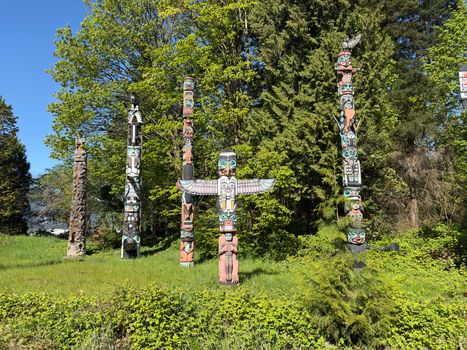 Photo: Uzay Yildirim / Pexels
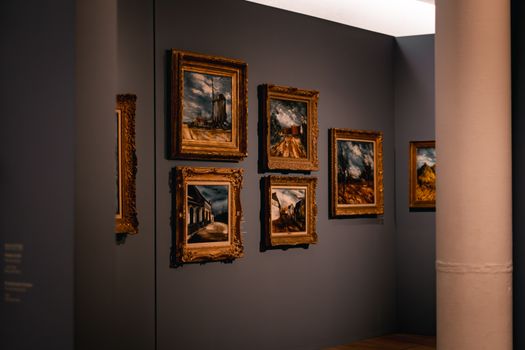 Photo: Josue Canceco / Pexels
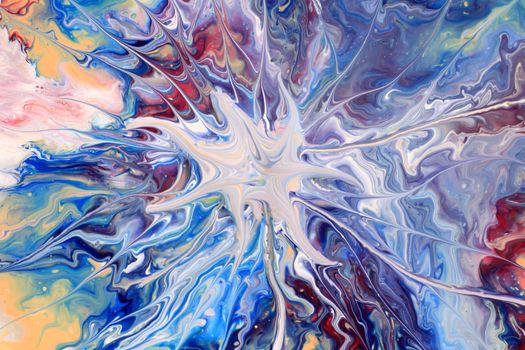 Photo: Landiva Weber / Pexels
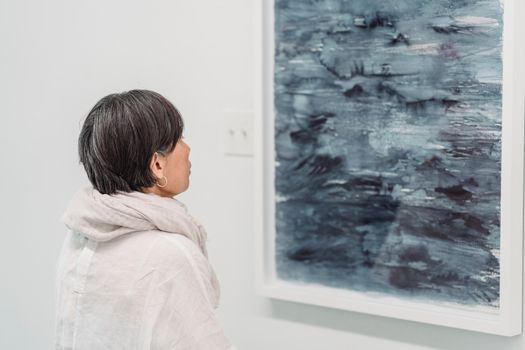 Photo: Greta Hoffman / Pexels