The Famous Canadian Artists List: Discover Iconic Talents
famous Canadian artists list

The Famous Canadian Artists List: Discover Iconic Talents

Uncover the extraordinary visionaries who defined Canadian art, from Group of Seven landscapes to contemporary masterpieces.

Explore Their Legacies

Key Takeaways

  • ✓ Canada's artistic landscape is incredibly diverse, reflecting its vast geography and multicultural population.
  • ✓ The Group of Seven significantly shaped Canadian landscape painting in the early 20th century.
  • ✓ Indigenous artists have played a crucial role in telling Canada's stories through art for millennia.
  • ✓ Many Canadian artists achieved international acclaim, influencing global art movements.

How It Works

1
Journey Through Time

Our list spans different eras, showcasing artists from historical periods to contemporary innovators. Understand the evolution of Canadian art through their works.

2
Explore Diverse Mediums

From painting and sculpture to photography and mixed media, discover the varied ways Canadian artists express themselves. Appreciate the breadth of their creative output.

3
Understand Cultural Impact

Learn how these artists reflected, challenged, and shaped Canadian identity and global perspectives. Their art often tells compelling stories about the nation's history and future.

4
Connect with Their Stories

Each artist's biography and artistic philosophy offer unique insights into their motivations and contributions. Delve into the personal journeys behind the masterpieces.

Pioneering Visions: The Group of Seven and Early Canadian Art

Detailed shot of a yellow industrial machinery panel showing texture and numbers. Photo: Alexander Popadin / Pexels
The narrative of Canadian art often begins with the majestic, untamed landscapes that define the nation. At the forefront of this early artistic identity were the members of the Group of Seven, a collective of landscape painters who revolutionized Canadian art in the early 20th century. Formed in 1920, the group – including figures like Lawren Harris, J.E.H. MacDonald, A.Y. Jackson, Frank Johnston, Arthur Lismer, Frederick Varley, and Franklin Carmichael – sought to develop a distinctly Canadian artistic language, moving away from European artistic conventions. Their canvases, characterized by bold brushstrokes, vibrant colors, and an almost spiritual reverence for the wilderness, depicted the rugged beauty of the Canadian Shield, the vastness of Lake Superior, and the serene quiet of northern forests. They believed that by capturing the unique spirit of the Canadian landscape, they could forge a national identity through art. Their impact was profound, not only in terms of their artistic output but also in establishing a precedent for Canadian artists to look inward, to their own environment and experiences, for inspiration. Before the Group of Seven, many Canadian artists were still heavily influenced by European academic traditions, often depicting idealized European scenes or adopting styles that didn't fully resonate with the Canadian experience. The Group’s work challenged this, asserting the validity and power of Canadian subject matter. Emily Carr, though not an official member, is often associated with the Group due to her similar dedication to portraying the Canadian landscape, particularly the forests and Indigenous villages of British Columbia. Her powerful, almost mystical depictions of towering totem poles and ancient rainforests added another layer to the emerging Canadian artistic voice, blending environmentalism with a deep respect for Indigenous cultures. Her unique style and pioneering spirit make her an indispensable figure when discussing early Canadian art. Beyond the Group of Seven, other early Canadian artists contributed significantly to the burgeoning art scene. Cornelius Krieghoff, for instance, a 19th-century artist, is celebrated for his vibrant genre scenes depicting rural Québec life, sleigh rides, and Indigenous communities, offering a window into early Canadian social history. His works are invaluable historical documents as much as they are artistic achievements. Meanwhile, artists like Tom Thomson, a close associate of the Group of Seven who tragically died before its official formation, produced some of Canada's most iconic landscape paintings, such as 'The Jack Pine' and 'The West Wind.' His direct, energetic approach to capturing the Canadian wilderness was a major influence on the Group and remains a touchstone for Canadian art lovers. These early pioneers laid the groundwork, demonstrating that Canada possessed a unique and compelling artistic voice, worthy of international recognition. Their legacy continues to inspire contemporary artists to explore themes of nature, identity, and place within the Canadian context. For more on the history of artistic movements, explore the evolution of art.

Indigenous Voices: Art as Storytelling and Resilience
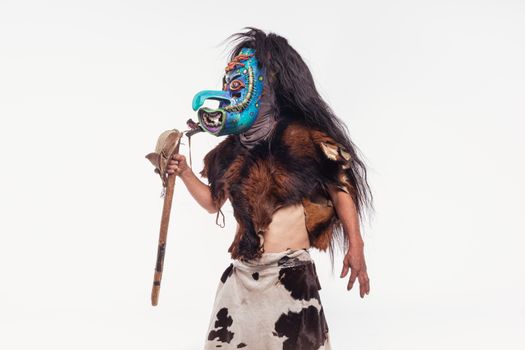
A person in traditional Mexican attire with a colorful mask standing against a white background. Photo: Los Muertos Crew / Pexels
The artistic heritage of Canada is incomplete without a deep dive into the profound contributions of Indigenous artists, whose traditions predate European settlement by thousands of years. Indigenous art is not merely decorative; it is a vital form of storytelling, cultural transmission, spiritual expression, and a powerful tool for resilience and reclamation. From the intricate carvings of the Northwest Coast First Nations, such as the monumental totem poles and masks that embody ancestral spirits and family histories, to the vibrant beadwork and quillwork of the Plains and Woodland peoples, Indigenous art forms are incredibly diverse and rich in meaning. Artists like Bill Reid, a Haida master sculptor, carver, and goldsmith, brought Haida art to international prominence. His iconic works, like 'The Spirit of Haida Gwaii,' blend traditional Haida mythology with contemporary artistic sensibilities, creating powerful narratives that speak to both Indigenous and non-Indigenous audiences. Reid's meticulous craftsmanship and profound understanding of Haida cosmology left an indelible mark on Canadian art and culture, inspiring generations of artists. Norval Morrisseau, an Anishinaabe artist from the Bingwi Neyaashi Anishinaabek First Nation, is widely recognized as the founder of the Woodland School of Art. His distinctive 'X-ray' style, characterized by bold outlines and vibrant colors, depicted spiritual themes, Ojibwe legends, and personal visions. Morrisseau's work was revolutionary in bridging traditional Indigenous art forms with contemporary painting, making Indigenous spirituality accessible to a broader audience and challenging colonial perceptions of Indigenous art. His influence on contemporary Indigenous art in Canada is immense, paving the way for countless artists to explore their heritage through modern mediums. Daphne Odjig, another pivotal Anishinaabe artist and a member of the 'Professional Native Indian Artists Inc.' (also known as the 'Indian Group of Seven'), played a crucial role in bringing Indigenous art into the mainstream Canadian art scene. Her work often explored themes of family, community, and the struggles faced by Indigenous peoples, rendered in a unique blend of Woodland School aesthetics and cubist influences. Odjig's commitment to promoting Indigenous art and artists helped to establish a space for their voices within the national cultural dialogue. The resurgence of Inuit art in the mid-20th century, particularly printmaking and sculpture from communities like Kinngait (Cape Dorset), also represents a significant chapter in Canadian art history. Artists like Kenojuak Ashevak became global icons with her stunning prints, such as 'The Enchanted Owl,' which captured the imagination with their vibrant colors and stylized depictions of Arctic wildlife and traditional Inuit life. Her work, alongside that of countless other Inuit artists, has provided invaluable insights into Arctic culture and the profound connection between the Inuit people and their environment. These Indigenous artists, and many others, have not only enriched the Canadian artistic landscape but have also used their art to educate, challenge, and heal, ensuring that their stories and cultures continue to thrive and evolve. Their contributions are fundamental to understanding the full scope of Canadian artistic achievement.

Modern Masters and Contemporary Voices in Canadian Arts
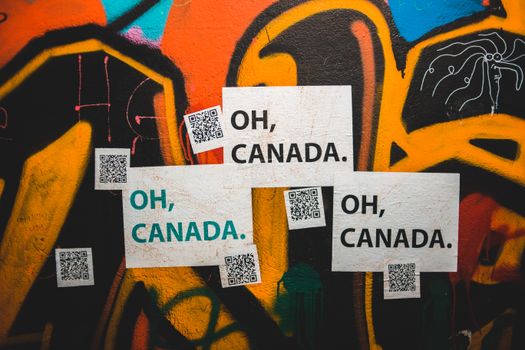
Colorful graffiti wall with Oh Canada inscription and QR codes on city street Photo: Erik Mclean / Pexels
Beyond the pioneering landscape painters and the foundational Indigenous artists, Canada boasts a rich tapestry of modern masters and vibrant contemporary voices who have pushed boundaries and gained international recognition. The mid-20th century saw a shift towards abstraction and diverse artistic expressions, moving beyond purely representational art. Jean-Paul Riopelle, a prominent figure in the Automatiste movement in Montreal, achieved international acclaim for his large-scale abstract paintings. His energetic, gestural canvases, often created with a palette knife, exploded with color and texture, reflecting a spontaneous and intuitive approach to art-making. Riopelle's work placed Canadian abstraction firmly on the global stage, demonstrating that Canadian artists could be at the forefront of avant-garde movements. Another significant figure from Quebec was Paul-Émile Borduas, the leader of the Automatistes, whose manifesto 'Refus Global' challenged traditional artistic and social norms, advocating for artistic freedom and expression. His abstract works, often characterized by thick impasto and dynamic compositions, were a powerful statement against convention. In photography, Yousuf Karsh stands as one of the most celebrated portrait photographers of the 20th century. Though Armenian by birth, Karsh made Canada his home and captured iconic images of world leaders, artists, and celebrities, including Winston Churchill, Albert Einstein, and Audrey Hepburn. His ability to reveal the inner essence of his subjects through masterful lighting and composition earned him international renown and cemented his place as a Canadian artistic treasure. More recently, artists like Jeff Wall have redefined contemporary photography as a fine art medium. Known for his large-scale backlit cibachrome transparencies, Wall constructs elaborate, cinematic scenes that often reference art history or explore social realism. His meticulous approach and intellectual depth have made him one of the most influential photographers of his generation, challenging perceptions of what photography can be. General Idea, an influential collective formed by Felix Partz, Jorge Zontal, and AA Bronson, was a groundbreaking force in conceptual art from the late 1960s to the early 1990s. Their work, often satirical and provocative, explored themes of media, celebrity, and the AIDS crisis, using a variety of mediums including performance, video, and painting. Their impact on contemporary art, particularly in addressing social and political issues, was immense, making them trailblazers in the Canadian art scene. Contemporary Canadian art continues to flourish with a new generation of artists exploring diverse themes and mediums. Shary Boyle, for example, is known for her exquisitely detailed ceramic sculptures and drawings that delve into themes of identity, gender, and the subconscious, often with a fantastical or surrealist edge. Her work has been exhibited globally and represented Canada at the Venice Biennale. Another notable contemporary artist is Kent Monkman, a Cree artist known for his provocative and often humorous paintings, videos, and performances that re-contextualize historical Canadian art and challenge colonial narratives. His alter ego, Miss Chief Eagle Testickle, plays a central role in many of his works, offering a powerful Indigenous perspective on history and representation. These artists, and many others, demonstrate the ongoing vitality and innovation within Canadian arts, proving that the nation's artistic contributions are as diverse and dynamic as its people. For further reading on different artistic styles, visit understanding art movements.

Tips for Discovering More Canadian Artistic Gems
A man in a gallery analyzes framed art in dim lighting, creating a sophisticated atmosphere. Photo: İrem 🎈 / Pexels
Exploring the vast and rich landscape of Canadian art can be a deeply rewarding experience. Whether you're a seasoned art enthusiast or just beginning your journey, here are some tips to help you discover more Canadian artistic gems: * **Visit National and Provincial Galleries:** Institutions like the National Gallery of Canada in Ottawa, the Art Gallery of Ontario (AGO) in Toronto, and the Vancouver Art Gallery house extensive collections of Canadian art, from historical masterpieces to contemporary works. These are excellent starting points for understanding the breadth of Canadian artistic expression. * **Explore Regional and Local Galleries:** Don't overlook smaller, regional galleries and artist-run centers. These often showcase emerging talent and provide a more intimate look at local artistic communities. Many communities across Canada have vibrant art scenes that are worth exploring. * **Attend Art Fairs and Festivals:** Events like Art Toronto, Papier in Montreal, and various Indigenous art festivals across the country offer opportunities to see and purchase works by established and emerging Canadian artists. They are fantastic venues for discovering new artists and trends. * **Delve into Indigenous Art Centres:** Dedicated Indigenous art centres and galleries are crucial for understanding the depth and diversity of First Nations, Inuit, and Métis art. Support these institutions to learn directly from Indigenous voices and appreciate the cultural significance of their work. * **Read Art Books and Periodicals:** Magazines like 'Canadian Art,' 'Border Crossings,' and 'ArtAsiaPacific' (which often features Canadian artists) provide critical analysis, interviews, and features on Canadian artists and exhibitions. Books on Canadian art history can offer a comprehensive overview. * **Follow Online Resources and Social Media:** Many galleries, museums, and artists maintain active online presences. Websites, blogs, and social media platforms are excellent ways to stay updated on exhibitions, new works, and artistic discussions. You can discover artists from across the country with just a few clicks. * **Support Local Artists:** Consider purchasing art directly from artists or through local galleries. This not only supports the artist but also allows you to bring a piece of Canadian culture into your home. * **Look Beyond Painting and Sculpture:** Canadian artists excel in various mediums, including photography, video art, performance art, textile art, and installation. Broaden your appreciation by exploring these diverse forms of artistic expression. By actively engaging with these resources, you can deepen your appreciation for the unique contributions of Canadian artists and uncover hidden gems that resonate with your personal aesthetic. The Canadian art world is dynamic and ever-evolving, offering endless opportunities for discovery and engagement.

Comparison

Artist CategoryKey FiguresPrimary FocusEra
Early Landscape PaintersGroup of Seven, Emily CarrCanadian wilderness, national identityEarly 20th Century
Indigenous MastersBill Reid, Norval MorrisseauTraditional storytelling, cultural reclamationMid-20th Century - Present
Abstract InnovatorsJean-Paul Riopelle, Paul-Émile BorduasNon-representational expression, artistic freedomMid-20th Century
Contemporary VisionariesJeff Wall, Kent MonkmanSocial commentary, conceptual art, diverse mediaLate 20th Century - Present

What Readers Say

"This famous Canadian artists list is incredibly comprehensive! I discovered so many artists I hadn't known before and gained a deeper appreciation for Canadian art history. It's truly a fantastic resource for art lovers."

Sarah L. · Vancouver, BC

"As a Canadian, I'm proud of our artistic heritage, and this article really highlights the diverse talent we have. The details on each artist's contribution are insightful and well-researched."

Marc T. · Montreal, QC

"I used this famous Canadian artists list to plan my visits to various galleries across Canada, and it was invaluable. It helped me prioritize which artists' works to seek out, resulting in a much richer experience."

Emily R. · Toronto, ON

"The article is excellent, providing a great overview of Canadian art. While it covers many major figures, I would have loved to see a few more contemporary sculptors included. Still, a very solid read!"

David C. · Calgary, AB

"I'm an international art student, and this famous Canadian artists list gave me a fantastic introduction to a national art scene I knew little about. It's well-structured and makes learning about these artists genuinely engaging."

Jessica M. · New York, NY

Frequently Asked Questions

Who are some of the most famous Canadian painters?

Some of the most famous Canadian painters include members of the Group of Seven (Lawren Harris, J.E.H. MacDonald, A.Y. Jackson), Emily Carr, Tom Thomson, Jean-Paul Riopelle, Norval Morrisseau, and Kenojuak Ashevak. These artists significantly shaped Canadian art, each bringing unique perspectives and styles to their respective genres and themes.

Is Canadian art only about landscapes?

No, while landscape painting, particularly by the Group of Seven, is a prominent part of Canadian art history, it is far from the only focus. Canadian artists have excelled in various genres, including portraiture (Yousuf Karsh), abstraction (Jean-Paul Riopelle), Indigenous storytelling (Bill Reid, Norval Morrisseau), conceptual art (General Idea), and contemporary mixed media works (Shary Boyle, Kent Monkman). The diversity reflects Canada's multiculturalism and vast geography.

How can I discover emerging Canadian artists?

To discover emerging Canadian artists, you can visit local and artist-run galleries in your city, attend art fairs like Art Toronto or Papier, explore online platforms dedicated to Canadian art, and follow art school graduate exhibitions. Many provincial art councils also highlight new talent, and social media is an excellent tool for connecting directly with contemporary artists.

What is the cultural significance of Indigenous art in Canada?

Indigenous art holds immense cultural significance in Canada, serving as a powerful means of storytelling, preserving cultural knowledge, expressing spirituality, and affirming identity. It often addresses historical narratives, land connection, and resilience in the face of colonial impacts. Artists like Bill Reid and Norval Morrisseau have been crucial in bringing these rich traditions to national and international prominence, educating and inspiring audiences.

How does Canadian art compare to European or American art?

Canadian art, while influenced by European and American trends, has developed its own distinct identity. Early Canadian art often focused on capturing the unique vastness and ruggedness of the Canadian landscape, differentiating it from more traditional European academic styles. Indigenous art traditions offer a unique perspective rooted in millennia of history. Contemporary Canadian art is globally engaged, often exploring themes of multiculturalism, identity, and environmentalism in ways that reflect the country's specific social and political context, offering a unique voice distinct from its counterparts.

Who should read a famous Canadian artists list?

Anyone with an interest in art history, Canadian culture, or seeking to broaden their artistic knowledge will find a famous Canadian artists list incredibly valuable. It's perfect for students, tourists planning art-related travel in Canada, art collectors, or simply curious individuals who want to learn about the creative minds that have shaped Canada's visual identity.

Are there any controversies associated with famous Canadian artists?

Like any significant cultural movement, Canadian art history includes its share of controversies. Discussions often revolve around issues of cultural appropriation, particularly concerning early European artists depicting Indigenous subjects, or debates about the representation and inclusion of diverse voices within established art institutions. The Group of Seven, for example, faced initial criticism for their 'radical' style. More recently, the repatriation of Indigenous artifacts and the ethics of displaying certain works are ongoing conversations within the Canadian arts community.

What is the future trend for Canadian artists?

The future of Canadian art appears to be increasingly diverse, global, and technologically integrated. We can expect to see a continued emphasis on Indigenous voices and perspectives, a growing exploration of digital art and new media, and a stronger focus on social and environmental themes. Canadian artists will likely continue to engage with global art dialogues while maintaining a distinct sense of place and identity, fostering even more cross-cultural collaborations and interdisciplinary practices.

Dive deeper into the extraordinary world of Canadian art. Explore the works of these renowned artists, visit a gallery near you, and allow their unique visions to inspire and captivate you. Canada's artistic legacy is waiting to be discovered.

Topics: famous Canadian artists listCanadian art historyiconic Canadian paintersCanadian sculptorsIndigenous Canadian artists
Leo List

DK Escorts LU Escorts AT Escorts SE Escorts FI Escorts CH Escorts DE Escorts HR Escorts IE Escorts GR Escorts CZ Escorts NO Escorts BE Escorts FR Escorts SI Escorts IL Escorts NL Escorts PL Escorts HU Escorts ES Escorts IT Escorts PT Escorts SK Escorts RO Escorts ZA Escorts UY Escorts US Escorts UK Escorts NZ Escorts AU Escorts
Brampton weed
Adultwork EstrelaBet Vai de Bet R7 Bet Betão Galera Bet Rainbet Bet9ja Shop SportyBet BetKing Sisal Loto Foot Hollywoodbets YesPlay Odibets RushBet Jugabet BetWarrior BetCity MSport betPawa Fortebet