✓ The Canadian art market saw a significant rebound post-pandemic, demonstrating resilience and growth.
✓ Online sales platforms continue to play a crucial role, expanding accessibility and reach for Canadian artists.
✓ Indigenous art is experiencing unprecedented recognition and demand, both domestically and internationally.
✓ Sustainability and ethical sourcing are increasingly influencing collector decisions and gallery practices in Canada.
How It Works
1
Understand Market Dynamics
Familiarize yourself with the key economic indicators, cultural shifts, and technological advancements shaping the Canadian art market. This foundational knowledge is crucial for making informed choices.
2
Identify Key Players
Learn about the prominent galleries, auction houses, art fairs, and institutions that drive the Canadian art scene. Understanding their roles helps you navigate the ecosystem effectively.
3
Research Emerging Artists & Genres
Stay abreast of new talent and evolving artistic movements within Canada. Early identification of promising artists can lead to rewarding collecting and investment opportunities.
4
Engage & Network
Participate in art events, connect with gallerists, curators, and fellow collectors. Building relationships provides invaluable insights and access to exclusive opportunities within the Canadian art community.
Navigating the Post-Pandemic Canadian Art Market Landscape
Photo: Pavel Danilyuk / Pexels
The Canadian art market, much like its global counterparts, experienced a period of unprecedented disruption followed by a remarkable resurgence in the wake of the COVID-19 pandemic. Initially, gallery closures, cancelled art fairs, and economic uncertainties cast a shadow over the industry. However, this period also accelerated a digital transformation that has irrevocably altered how art is bought, sold, and experienced in Canada. Online viewing rooms, virtual exhibitions, and sophisticated digital catalogues became standard, reaching broader audiences and democratizing access to art previously confined to physical spaces. This shift wasn't merely a temporary workaround; it represented a fundamental evolution, proving that serious collectors and first-time buyers alike were willing to transact significant art purchases online.
Data from various reports, including those by Art Basel and UBS, consistently highlight the resilience of the Canadian sector, often outperforming expectations. While the global market saw fluctuations, Canada's domestic market demonstrated a robust capacity for recovery, driven by strong local demand and a renewed appreciation for Canadian artistic talent. This resilience can be attributed to several factors: a growing base of affluent collectors, increased public awareness and support for the arts, and the proactive adaptation of galleries and institutions to new operational models. The emphasis on local economies during global lockdowns also spurred interest in homegrown artists, with collectors often prioritizing proximity and national identity in their acquisitions.
Furthermore, government support and cultural funding initiatives played a vital role in sustaining many artistic practices and institutions during challenging times, ensuring the continued vibrancy of the ecosystem. As the market stabilized, a hybrid model emerged, combining the convenience and reach of online platforms with the irreplaceable experience of in-person viewing and events. This blended approach offers the best of both worlds, expanding market access while preserving the sensory and social aspects of art appreciation. Understanding these underlying dynamics is crucial for anyone looking to engage with or invest in the Canadian art market today. The landscape is more diverse, accessible, and resilient than ever before, offering myriad opportunities for both established and burgeoning collectors. The long-term implications of these shifts are still unfolding, but the market's adaptability and innovative spirit suggest a promising future for Canadian art globally. Explore Canadian art online to see how this digital transformation has opened up new avenues for discovery.
Emerging Trends in Canadian Art Collecting and Investment
Photo: Ani Cihan / Pexels
Beyond the foundational shifts, several distinct trends are shaping the trajectory of Canadian art collecting and investment. Perhaps the most prominent is the explosive growth and recognition of Indigenous art. Historically undervalued and often marginalized, Indigenous artists are now receiving the critical acclaim and market attention they rightfully deserve. This isn't just about ethical collecting; it's about recognizing profound artistic merit, rich cultural narratives, and a unique aesthetic that resonates deeply with both Canadian and international audiences. From the intricate carvings of the Pacific Northwest to the vibrant abstract paintings of the Prairies, and the powerful contemporary installations from the North, Indigenous art is diverse and commanding. Collectors are increasingly seeking out works by established masters like Norval Morrisseau and Daphne Odjig, while also keenly following emerging talents whose voices are shaping the future of Canadian art. This trend is not merely a fleeting moment but a fundamental recalibration of the art historical canon, with institutions, galleries, and auction houses actively promoting and supporting Indigenous artists.
Another significant trend is the increasing focus on sustainability and ethical practices within the art world. Collectors are becoming more discerning about the provenance of artworks, the environmental impact of materials, and the ethical treatment of artists and gallery staff. This extends to a preference for galleries that demonstrate transparency, support fair wages, and engage in environmentally conscious operations. The shift towards buying directly from artists or through transparent platforms also reflects a desire for a more direct and ethical relationship with the art and its creators.
Furthermore, the younger generation of collectors, particularly millennials and Gen Z, are entering the market with different motivations and preferences. They are often less concerned with traditional 'blue-chip' investments and more interested in art that aligns with their personal values, social causes, and contemporary aesthetics. This demographic is driving demand for art that is socially conscious, digitally native (including NFTs and digital art), and often more affordable. They are also highly influenced by social media and online discovery, making digital presence and narrative crucial for artists and galleries. This demographic shift is diversifying the types of art being collected and broadening the definition of what constitutes 'collectible' art. Finally, there's a growing appreciation for regional art scenes across Canada. While Toronto, Montreal, and Vancouver remain major hubs, smaller cities and rural communities are fostering vibrant artistic communities, and collectors are increasingly looking beyond the major centres for unique and compelling works, contributing to a more decentralized and diverse market.
Key Players and Opportunities in the Canadian Art Scene
Photo: Godisable Jacob / Pexels
Understanding the key players is essential for anyone looking to engage effectively with the Canadian art market. Auction houses like Heffel Fine Art Auction House and Cowley Abbott are dominant forces, responsible for setting market benchmarks and facilitating high-value transactions. Their seasonal sales often provide critical insights into collector confidence, price trends, and the performance of established artists. Beyond the auction block, a robust network of commercial galleries forms the backbone of the primary market, nurturing emerging talent and representing mid-career and established artists. Galleries range from venerable institutions with decades of history to dynamic, contemporary spaces pushing artistic boundaries. Each offers a unique curatorial vision and a specific roster of artists, providing diverse entry points for collectors at various price points.
Art fairs, such as Art Toronto and Papier (Montreal), serve as vital congregating points, bringing together galleries, artists, collectors, and the public under one roof. These events offer unparalleled opportunities to see a wide array of art, discover new artists, network with gallerists, and gain a comprehensive overview of current trends. They are also significant economic drivers for the cities that host them. Public art institutions, including the National Gallery of Canada, the Art Gallery of Ontario, and the Vancouver Art Gallery, play a crucial role in validating artists, educating the public, and preserving Canada's artistic heritage. While not directly involved in sales, their exhibitions and acquisitions significantly influence critical discourse and market interest.
For those looking to invest, opportunities abound across various segments. The contemporary art market, particularly works by emerging and mid-career Canadian artists, offers significant potential for growth. Identifying artists with strong critical backing, consistent exhibition histories, and unique artistic voices can yield substantial returns. The aforementioned Indigenous art market remains a strong area of interest, with sustained demand and increasing international recognition. Historical Canadian art, including works by the Group of Seven and their contemporaries, continues to command high prices, representing stable, blue-chip investments for those with significant capital. Furthermore, exploring regional art markets outside the major centres can uncover hidden gems and more accessible price points. Engaging with local artist-run centres and smaller galleries often provides access to exciting new work before it reaches the broader market. The key is thorough research, building relationships with trusted advisors, and aligning acquisitions with personal aesthetic preferences and long-term financial goals. Discover local Canadian artists through regional galleries and artist collectives.
Tips for Navigating and Thriving in the Canadian Art Market
Photo: DΛVΞ GΛRCIΛ / Pexels
Navigating the Canadian art market, whether as a collector, artist, or enthusiast, requires a strategic approach. Here are some invaluable tips to help you thrive:
* **Educate Yourself Continuously:** The art market is dynamic. Read art publications, follow reputable art market reports, attend lectures, and visit exhibitions regularly. The more you know about art history, contemporary practices, and market trends, the better equipped you'll be to make informed decisions.
* **Visit Galleries and Art Fairs:** There's no substitute for seeing art in person. Galleries offer intimate viewing experiences and direct access to gallerists who can provide invaluable insights. Art fairs, as mentioned, offer a broad overview and networking opportunities.
* **Build Relationships:** Cultivate relationships with gallerists, art consultants, and fellow collectors. These connections can provide access to early viewings, exclusive events, and expert advice. Trustworthy relationships are paramount in the art world.
* **Define Your Collecting Goals:** Understand what motivates you. Are you collecting for aesthetic pleasure, investment, or to support specific artistic practices? Clear goals will guide your acquisitions and prevent impulsive purchases.
* **Start Small and Grow:** You don't need a massive budget to begin collecting. Many emerging artists offer works at accessible price points. Start with pieces you genuinely love and that fit your budget, then gradually expand your collection as your knowledge and resources grow.
* **Consider Provenance and Authenticity:** Always inquire about the history of an artwork (provenance) and ensure its authenticity, especially for secondary market purchases. Reputable galleries and auction houses will provide this information.
* **Think Long-Term:** Art investment is generally a long-term endeavor. While some works appreciate quickly, most require patience. Focus on quality, significance, and your personal connection to the art.
* **Embrace Digital Resources:** Utilize online platforms for discovery, research, and even acquisition. Many galleries have robust online presences, and art databases can be powerful research tools.
* **Support Local Artists:** Canada has a wealth of artistic talent. Supporting local artists not only enriches your community but can also be a rewarding way to build a collection with personal significance.
**Mistakes to Avoid:**
* **Impulse Buying:** Never buy art purely on a whim or because someone else tells you it's a 'hot' investment without doing your own research.
* **Ignoring Your Aesthetic:** While investment potential is a factor, ultimately, you should live with art you love. Don't buy something you dislike just because it's considered a good investment.
* **Overpaying:** Research market prices for similar works by the same artist to ensure you're paying a fair price.
* **Neglecting Insurance and Care:** Art is an asset that needs proper insurance and care (framing, climate control) to maintain its value.
* **Relying Solely on Trends:** While trends offer insights, don't let them dictate your entire collecting strategy. True value often lies in timeless quality and personal connection.
Comparison
Feature
Emerging Artist Market
Mid-Career Artist Market
Blue-Chip Historical Market
Investment Risk
Higher
Medium
Lower
Price Point
Accessible
Moderate
High
Discovery Potential
High
Medium
Low
Growth Potential
High
Medium to High
Stable
Provenance Complexity
Low
Medium
High
Availability
✓
✓
✗
What Readers Say
★★★★★
"This article on Canadian art market trends was incredibly insightful. It helped me understand the Indigenous art movement better and gave me confidence to start my collection."
Sarah Chen · Toronto, ON
★★★★★
"As a new collector, I found the breakdown of key players and investment opportunities invaluable. The tips on avoiding common mistakes were particularly helpful for my first art purchase."
David Miller · Vancouver, BC
★★★★★
"The focus on post-pandemic shifts and online platforms truly resonated. I used the information here to find a fantastic emerging artist through an online gallery, which I wouldn't have considered before."
Emily Rodriguez · Montreal, QC
★★★★★
"A very comprehensive overview, though I would have liked a bit more detail on specific regional market nuances outside of the major cities. Still, it's an excellent starting point for understanding Canadian art market trends."
Mark Johnson · Calgary, AB
★★★★★
"As an artist, understanding the market is crucial for my career. This guide provided practical advice on what collectors are looking for and how to approach galleries, which is incredibly useful."
Jessica Lee · Halifax, NS
Frequently Asked Questions
What is the current state of the Canadian art market?
The Canadian art market is currently experiencing a robust period of growth and adaptation. Following a strong rebound post-pandemic, it is characterized by increased online activity, significant interest in Indigenous art, and a growing emphasis on ethical and sustainable practices. Collector confidence remains high, supported by strong local demand and evolving digital engagement strategies by galleries and institutions.
Is Canadian art a good investment?
Canadian art can be a very good investment, particularly when approached strategically. Like any investment, it carries risks, but works by established Canadian masters tend to hold their value, while emerging artists offer potential for significant appreciation. Thorough research, understanding market trends, and seeking expert advice are crucial for making sound investment decisions in Canadian art.
How can I discover new Canadian artists?
You can discover new Canadian artists by regularly visiting local galleries, attending art fairs like Art Toronto or Papier, exploring artist-run centres, and engaging with online art platforms and social media. Many art schools also host graduate exhibitions that showcase promising new talent. Networking with gallerists and art consultants can also provide valuable introductions to emerging artists.
What factors influence the value of Canadian art?
The value of Canadian art is influenced by several factors, including the artist's reputation, critical acclaim, exhibition history, provenance, rarity, condition of the artwork, and prevailing market demand. Economic conditions, cultural trends, and the artist's historical significance also play a crucial role. Works by artists with strong institutional presence or significant auction records often command higher values.
How does the Canadian art market compare to the global art market?
The Canadian art market is a significant, albeit smaller, player within the global art market. While it shares many global trends like the rise of online sales and interest in contemporary art, it also has unique characteristics, such as a strong domestic collector base and a particular focus on Canadian historical and Indigenous art. Its resilience often allows it to maintain stability even when global markets fluctuate, making it an attractive niche for dedicated collectors.
Who should consider investing in Canadian art?
Anyone with an appreciation for art, an interest in supporting Canadian culture, and a long-term investment horizon should consider investing in Canadian art. This includes seasoned collectors looking to diversify, new collectors seeking accessible entry points, and individuals passionate about preserving and promoting Canada's rich artistic heritage. It's suitable for those who enjoy the research and discovery process inherent in art collecting.
What are the risks associated with buying art in Canada?
Risks associated with buying art in Canada include issues of authenticity, misrepresentation of value, condition problems, and potential difficulty in reselling specific pieces if market tastes change. For investment, there's always the risk that an artwork may not appreciate in value as expected. Mitigating these risks involves thorough due diligence, purchasing from reputable sources, and obtaining proper documentation and insurance.
What future trends are expected in the Canadian art market?
Future trends in the Canadian art market are likely to include continued growth in digital art and NFTs, further integration of AI in art creation and market analysis, and an even stronger emphasis on diversity, equity, and inclusion, particularly regarding Indigenous and underrepresented artists. We can also expect a sustained focus on sustainability, ethical sourcing, and community engagement, driven by a new generation of collectors and artists.
Ready to deepen your engagement with Canada's vibrant art scene? Use these insights into Canadian art market trends to inform your next acquisition, discover exciting new artists, or simply appreciate the dynamic landscape of Canadian creativity. The journey into Canadian art is rich with discovery and potential.

 Photo: Pavel Danilyuk / Pexels
 Photo: Ani Cihan / Pexels
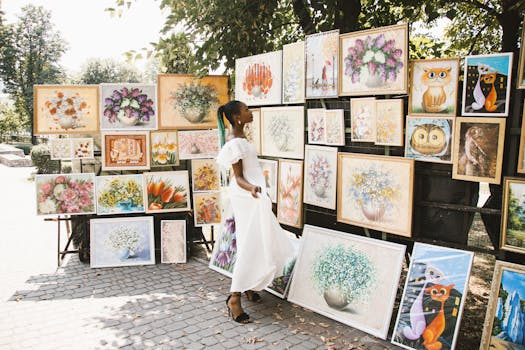 Photo: Godisable Jacob / Pexels
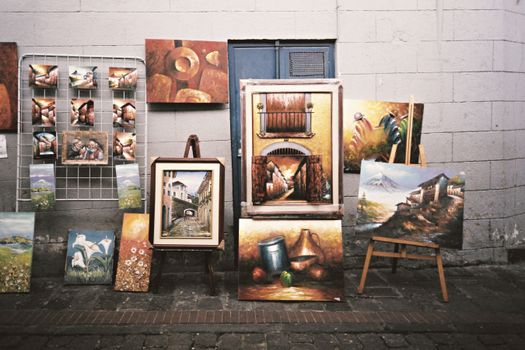 Photo: DΛVΞ GΛRCIΛ / Pexels