
Unveiling Canada's Artistic Soul: A Canadian Art History Timeline
Journey through centuries of creativity, innovation, and cultural expression that define Canada's unique artistic landscape.
Discover the LegacyKey Takeaways
- ✓ Indigenous art forms are the foundational bedrock of Canadian art history.
- ✓ European colonial influences dramatically reshaped artistic practices and themes.
- ✓ The Group of Seven revolutionized Canadian landscape painting in the early 20th century.
- ✓ Contemporary Canadian art embraces diverse media, global perspectives, and social commentary.
How It Works
Begin your exploration with the millennia-old artistic traditions of Canada's First Peoples. Understand the spiritual, cultural, and practical significance of their diverse art forms.
Trace the impact of European settlers and the emergence of art reflecting colonial experiences. Witness the gradual development of a distinctive Canadian artistic identity through the 18th and 19th centuries.
Delve into the transformative movements of the early to mid-20th century, notably the Group of Seven. Experience how artists sought to capture the unique spirit and vastness of the Canadian landscape.
Navigate the vibrant and multifaceted world of post-war and contemporary Canadian art. Explore themes of identity, globalization, social justice, and evolving artistic media.
The Ancient Roots: Indigenous Artistic Traditions in Canada
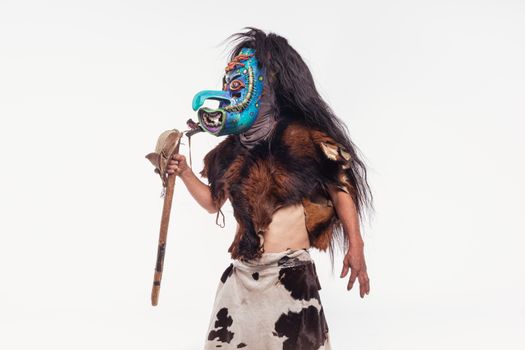 Photo: Los Muertos Crew / Pexels
From Colonial Gaze to National Vision: 18th and 19th Century Canadian Art
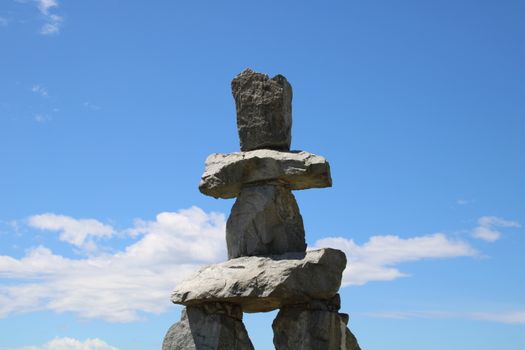 Photo: Michaela St / Pexels
Forging a National Identity: The Group of Seven and Modernism in Canada
 Photo: Alexander Popadin / Pexels
Contemporary Canadian Art: Diversity, Dialogue, and Global Perspectives
 Photo: Erik Mclean / Pexels
Comparison
| Era/Movement | Key Focus | Representative Artists | Dominant Medium |
|---|---|---|---|
| Indigenous Traditions | Spiritual connection, cultural narratives | Haida carvers, Inuit sculptors | Carving, painting, beadwork |
| Colonial/Early Canada | Documentation, European styles | Cornelius Krieghoff, Robert Field | Oil painting, watercolour |
| Group of Seven/Modernism | National identity, Canadian landscape | Lawren Harris, Emily Carr | Oil painting, sketch |
| Post-War Abstraction | Abstract expression, non-representation | Paul-Émile Borduas, Jean Paul Riopelle | Oil painting, mixed media |
| Contemporary Art | Identity, social commentary, diversity | Kent Monkman, Jeff Wall, Rebecca Belmore | Mixed media, installation, photography |
What Readers Say
"This Canadian art history timeline is incredibly thorough! I learned so much about the evolution of art in Canada, especially the deep dive into Indigenous traditions. It truly filled gaps in my knowledge."
Sarah Chen · Vancouver, BC"As an art enthusiast, I found this article to be an invaluable resource. The way it connects historical periods to artistic movements and key figures makes the entire Canadian art history timeline easy to follow and understand."
Marc Dubois · Montreal, QC"I was looking for a comprehensive overview for a school project, and this Canadian art history timeline delivered! It helped me structure my research and achieved a much deeper understanding of Canadian artistic identity."
Anya Sharma · Toronto, ON"Excellent content and well-written. While it covers a lot, I would have loved to see a bit more on regional art scenes outside of the major cities, but overall, it's a fantastic resource for Canadian art history."
David Miller · Calgary, AB"Reading this Canadian art history timeline made me want to visit every art gallery in the country! It really brings the stories of the artists and their impact to life, inspiring a new appreciation for Canadian creativity."
Elara Jones · Halifax, NSFrequently Asked Questions
What are the earliest forms of art in Canada?
The earliest forms of art in Canada are the diverse and rich traditions of Indigenous peoples, dating back thousands of years. These include rock art (pictographs and petroglyphs), carvings from bone, stone, and wood, ceremonial objects, and intricate textile work, each deeply connected to spiritual beliefs and cultural practices.
Why is the Group of Seven so important in Canadian art history?
The Group of Seven is crucial because they were among the first to develop a distinctively Canadian artistic identity, focusing on the unique character of the Canadian landscape. They broke away from European academic traditions, using bold styles to capture the vastness and spirit of the Canadian wilderness, thereby fostering a sense of national pride in art.
How did European contact change Indigenous art?
European contact introduced new materials (like glass beads, metals, cloth, and pigments) and tools, which Indigenous artists skillfully incorporated into their existing traditions, leading to new forms and aesthetics. However, it also brought colonial pressures, suppression of cultural practices, and disruption of traditional art forms, though many traditions persevered and adapted.
Is contemporary Canadian art only focused on Canadian themes?
No, contemporary Canadian art is incredibly diverse and engages with a wide range of global and local themes. While Canadian identity, landscape, and Indigenous issues remain important, artists also explore international political events, environmental concerns, technology, multiculturalism, and universal human experiences, often using a variety of media.
How does Canadian art compare to art from other countries?
Canadian art possesses unique characteristics shaped by its vast geography, Indigenous heritage, colonial history, and multicultural present. While influenced by global movements, it often features a distinct focus on landscape, a strong narrative tradition, and an increasing emphasis on diverse voices and social commentary, offering unique perspectives on shared human experiences.
Who should explore the Canadian art history timeline?
Anyone with an interest in art, history, culture, or Canada itself will find value in exploring this timeline. It's ideal for students, educators, art enthusiasts, tourists, and anyone seeking a deeper understanding of the creative forces that have shaped and continue to define Canada's visual culture.
Are there any risks in misinterpreting historical Canadian art?
Yes, there is a risk of misinterpreting historical Canadian art, particularly Indigenous art or early colonial depictions, if viewed through a purely contemporary or Western lens. Understanding the cultural context, historical background, and original intent of the artists is crucial to avoid perpetuating stereotypes or overlooking deeper meanings. Critical engagement and respectful research are key.
What are the emerging trends in Canadian art?
Emerging trends in Canadian art include a continued strong focus on Indigenous resurgence and decolonization in art, increased engagement with digital and new media, explorations of climate change and environmental issues, and a growing emphasis on art as a tool for social justice and community engagement. Interdisciplinary practices and global collaborations are also on the rise.
Embark on an enriching journey through the Canadian art history timeline. From ancient traditions to groundbreaking modernism and the vibrant diversity of today, discover the profound stories, movements, and artists that have shaped Canada's unique artistic heritage. Start your exploration now and deepen your appreciation for this incredible cultural legacy.