
Unveiling Canada's Artistic Soul: A Canadian Art History Timeline
Journey through centuries of Canadian artistic expression, understanding its profound impact on national identity.
Begin Your Artistic JourneyKey Takeaways
- ✓ Indigenous art forms predate European contact by millennia, representing diverse cultures.
- ✓ The Group of Seven revolutionized Canadian landscape painting in the early 20th century.
- ✓ Canadian art has consistently grappled with themes of land, identity, and multiculturalism.
- ✓ Government support, through institutions like the National Gallery, has been crucial for artistic development.
How It Works
Understand the foundational artistic traditions of Canada's First Peoples. Discover the vast diversity and spiritual significance embedded in their art forms.
Follow the arrival of European artists and their impact on Canadian art. Witness the emergence of colonial styles and early landscape painting.
Delve into the early 20th century, from the Group of Seven's iconic landscapes to the rise of abstraction. Observe how Canadian artists forged a distinct national identity.
Explore the diverse and often challenging art of the late 20th and 21st centuries. Understand how contemporary artists address global issues and local narratives.
The Ancient Roots: Indigenous Art in Canada
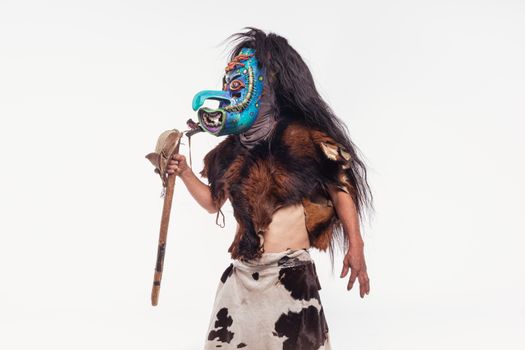 Photo: Los Muertos Crew / Pexels
Colonial Encounters and Early European Artistic Impressions
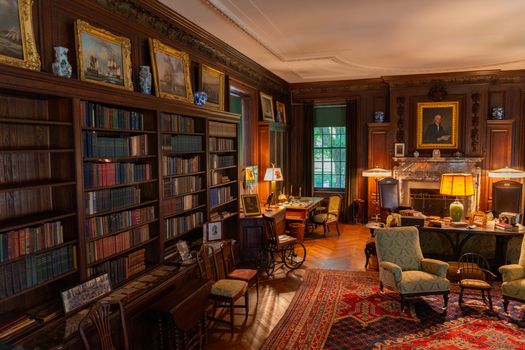 Photo: Brett A / Pexels
Forging a National Identity: The Group of Seven and Modernism
 Photo: Alexander Popadin / Pexels
Contemporary Currents: Diversity and Global Dialogue in Canadian Art
 Photo: Dominique BOULAY / Pexels
Comparison
| Artistic Period | Dominant Style/Movement | Key Themes | Notable Artists |
|---|---|---|---|
| Pre-Contact (Indigenous) | Diverse Traditional Forms | Spirituality, Land, Ancestry | Countless unnamed artists, specific regional styles |
| Colonial (17th-19th C) | Romanticism, Realism | Documentation, Landscape, Colonial Life | Paul Kane, Cornelius Krieghoff |
| Early 20th C (Modernism) | Group of Seven, Automatistes | National Identity, Wilderness, Abstraction | Lawren Harris, Emily Carr, Paul-Émile Borduas |
| Late 20th-21st C (Contemporary) | Pluralism, Postmodernism | Identity, Social Issues, Globalism | Joyce Wieland, Alex Janvier, Stan Douglas |
What Readers Say
"This Canadian art history timeline is incredibly thorough and engaging. I especially appreciated the detailed sections on Indigenous art – it really broadened my understanding of Canada's artistic foundations."
Sarah Chen · Toronto, ON"As an art enthusiast, I've always wanted a clear overview of Canadian art. This article delivers, making complex movements accessible and highlighting key artists beautifully."
David Miller · Vancouver, BC"The way this timeline connects historical periods to evolving artistic themes is brilliant. It helped me understand the 'why' behind different styles and how they shaped our cultural identity."
Emily Rodriguez · Montreal, QC"A very comprehensive guide! I learned so much, particularly about the contemporary period. While excellent, a few more visual examples would make it even more immersive."
Mark Johnson · Calgary, AB"I'm a history student, and this resource was invaluable for my research on Canadian cultural development. It's rare to find such depth presented so clearly and engagingly."
Aisha Khan · Halifax, NSFrequently Asked Questions
What is the most significant period in Canadian art history?
While all periods are significant, the early 20th century, particularly with the emergence of the Group of Seven, is often considered pivotal. It was during this time that Canadian artists consciously strived to create a distinctive national art identity, moving away from European conventions to focus on the unique Canadian landscape.
Is Canadian art primarily focused on landscapes?
Historically, landscape painting has been a dominant genre, especially with the Group of Seven. However, Canadian art is far more diverse, encompassing portraiture, genre scenes, abstraction, conceptual art, and a vast array of contemporary practices addressing social, political, and cultural themes. Indigenous art, for instance, covers a wide range of subjects beyond landscape.
How can I explore Canadian art in person?
You can explore Canadian art by visiting major institutions like the National Gallery of Canada in Ottawa, the Art Gallery of Ontario (AGO) in Toronto, the Montreal Museum of Fine Arts, and the Vancouver Art Gallery. Many smaller regional galleries and artist-run centres also feature excellent collections and exhibitions of Canadian artists.
What role has government funding played in Canadian art?
Government funding, through organizations like the Canada Council for the Arts and provincial arts councils, has played a crucial role in supporting Canadian artists, arts organizations, and cultural institutions. This support helps foster artistic development, provide exhibition opportunities, and make art accessible to the public, contributing significantly to the vibrancy of the Canadian art scene.
How does Canadian art compare to American art?
While both share some historical influences, Canadian art often demonstrates a deeper engagement with themes of wilderness, northern identity, and multiculturalism. American art, particularly modern American art, is often characterized by its scale, commercial drive, and strong movements like Abstract Expressionism and Pop Art, though both countries have rich and diverse artistic traditions that frequently intersect and influence one another.
Who should read this Canadian art history timeline?
This timeline is ideal for anyone interested in Canadian culture, art history students, art enthusiasts, and even general readers seeking to understand the artistic evolution of Canada. It provides a comprehensive yet accessible overview for those looking to deepen their appreciation of Canada's rich artistic heritage.
Is Canadian art history controversial?
Like any national art history, Canadian art history has its controversies, particularly regarding the representation of Indigenous peoples, the appropriation of Indigenous art forms, and the historical marginalization of certain voices. Contemporary scholarship actively addresses these complexities, seeking to present a more inclusive and critical understanding of the past.
What are the future trends for Canadian art?
Future trends in Canadian art are likely to continue emphasizing diversity, social engagement, and interdisciplinary practices. We can expect increased focus on climate change, decolonization, digital art, and global interconnectedness. The voices of marginalized communities will continue to gain prominence, shaping a dynamic and evolving artistic landscape.
Embark on a captivating journey through Canada's artistic heritage. This Canadian art history timeline offers an unparalleled window into the creative spirit that has shaped the nation. Discover, learn, and be inspired by the profound beauty and stories embedded in Canadian art.