Master Your Craft with Top Online Art Courses Canada
online art courses Canada

Master Your Craft with Top Online Art Courses Canada

Discover a world of creative learning at your fingertips, connecting with expert instructors and a thriving artistic community across Canada.

Find Your Course Now

Key Takeaways

  • ✓ Over 70% of Canadian art schools now offer online learning options.
  • ✓ Online art courses provide flexibility, allowing students to learn at their own pace.
  • ✓ Many programs offer professional certification or recognized credentials.
  • ✓ Access to a global network of instructors and diverse artistic styles is a key benefit.

How It Works

1
Choose Your Path

Browse a wide array of online art courses, from foundational drawing to advanced digital painting. Select a program that aligns with your artistic goals and skill level.

2
Engage & Create

Participate in video lectures, interactive tutorials, and live critique sessions. Complete assignments and projects, honing your skills under expert guidance.

3
Receive Feedback

Benefit from personalized feedback from experienced instructors and peer reviews. This iterative process helps refine your techniques and artistic vision.

4
Showcase Your Growth

Build a portfolio of your work, receive a certificate upon completion, and connect with other artists. Continue your creative journey with newfound skills and confidence.

The Evolving Landscape of Canadian Online Art Education
Vibrant abstract expressionist art with bold colors and dynamic brush strokes. Photo: Steve A Johnson / Pexels
The digital age has profoundly reshaped how we learn and create, and the realm of art education in Canada is no exception. Gone are the days when quality art instruction was solely confined to physical studios and campuses. Today, online art courses in Canada have emerged as a powerful, flexible, and accessible alternative, opening doors for aspiring and seasoned artists alike. This shift isn't merely a temporary trend; it's a fundamental transformation driven by technological advancements, changing lifestyles, and a growing demand for specialized, on-demand learning. Canadian institutions, from prestigious universities to independent art schools and individual artists, have embraced this evolution, developing sophisticated online platforms that deliver rich, immersive educational experiences. These platforms often leverage high-definition video lessons, interactive digital tools, live-streamed workshops, and dedicated online communities, replicating and often enhancing the traditional classroom environment. The beauty of these online offerings lies in their ability to transcend geographical barriers. Whether you're in a bustling city like Toronto, a remote community in the Yukon, or anywhere in between, high-quality art instruction is now just a click away. This accessibility is particularly impactful in a vast country like Canada, where specialized art programs might be geographically concentrated. Furthermore, online courses cater to a diverse demographic: busy professionals looking to rekindle a passion, students seeking supplementary learning, retirees exploring new hobbies, or even individuals with physical limitations who find traditional settings challenging. The flexibility of self-paced modules, combined with the option for real-time interaction, allows learners to integrate art education seamlessly into their lives, without compromising on work, family, or other commitments. Many Canadian online art courses also place a strong emphasis on practical application and portfolio development. Instructors, often professional artists themselves, guide students through projects designed to build tangible skills and create pieces suitable for a professional portfolio. This focus on career readiness, alongside creative exploration, makes online art education a valuable investment for those looking to pursue art professionally or simply elevate their personal artistic practice. The curriculum often reflects Canada's rich cultural tapestry, with courses touching upon Indigenous art forms, landscape painting inspired by Canadian vistas, and contemporary art movements prevalent within the country. This regional relevance adds another layer of appeal, allowing students to connect with their local artistic heritage while exploring global techniques. The robust infrastructure for online learning, coupled with Canada's reputation for high educational standards, ensures that these virtual art classrooms are not just convenient but also deliver exceptional value and quality. For those looking to dive into the world of art or refine existing skills, exploring the multitude of online art courses Canada has to offer is an invaluable first step in their creative journey. Discover more about Canadian art programs here.

Choosing the Right Online Art Course: Factors to Consider
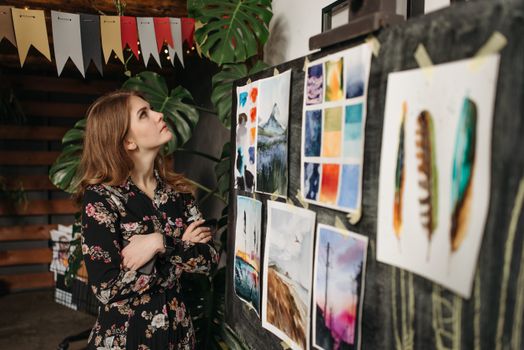
A woman in a floral dress observes art pieces on a board in her creative workshop. Photo: Pavel Danilyuk / Pexels
Navigating the vast ocean of online art courses in Canada can be daunting, but with a clear understanding of what to look for, you can find the perfect fit for your artistic aspirations. The first crucial factor is the course content and curriculum. Do you want to learn foundational skills like drawing and perspective, or are you interested in specializing in a particular medium, such as watercolour, acrylics, digital art, or sculpture? Some courses offer broad introductions, while others dive deep into specific techniques or styles. Review the syllabus carefully to ensure it aligns with your learning objectives and current skill level. Don't sign up for an advanced portraiture course if you're still mastering basic anatomy. Similarly, if you're an experienced artist, look for programs that offer challenging content and opportunities for advanced critique. Next, consider the instructor's background and teaching style. Many online platforms allow you to view instructor profiles, portfolios, and even sample lessons. Look for instructors who are not only accomplished artists but also effective communicators and educators. Do they offer clear explanations, constructive feedback, and inspire creativity? A good instructor can make all the difference in your learning experience. Testimonials and reviews from past students can provide valuable insights into their teaching efficacy. The format of the course is another important aspect. Is it self-paced, allowing you to complete modules at your convenience, or does it have fixed deadlines and live sessions? Self-paced courses offer maximum flexibility, ideal for busy schedules, but require strong self-discipline. Live sessions and structured deadlines can provide accountability and opportunities for real-time interaction, fostering a sense of community. Consider whether you prefer pre-recorded videos, written tutorials, live webinars, or a blended approach. The level of interaction and feedback provided is paramount for artistic growth. Some courses offer extensive one-on-one critiques, while others rely more on peer feedback or automated assessments. For substantial improvement, personalized feedback from an experienced artist is invaluable. Inquire about the feedback mechanisms: how often is it provided, in what format (written, video, live), and what is the instructor-to-student ratio? Community engagement also plays a significant role in online learning. Does the course offer forums, group projects, or virtual meetups where you can connect with fellow students? Learning from peers, sharing ideas, and collaborating can enrich your artistic journey and provide a supportive network. Finally, evaluate the cost and value proposition. Online art courses in Canada range from free introductory modules to comprehensive, accredited programs costing several thousand dollars. Compare the tuition fees with the duration, content depth, instructor expertise, and accreditation. Be wary of courses that promise too much for too little, but also recognize that higher prices often correlate with more personalized instruction and recognized credentials. Some platforms offer payment plans or scholarships, so it's worth exploring these options. By meticulously considering these factors, you can make an informed decision and invest in an online art course that truly nurtures your artistic talent and helps you achieve your creative goals.

Accredited Programs vs. Independent Workshops: What's Best for You?

When exploring online art courses in Canada, you'll encounter a spectrum of options, broadly categorized into accredited programs and independent workshops. Understanding the distinctions between these two types is crucial for making an informed decision that aligns with your personal and professional aspirations. Accredited programs are typically offered by established colleges, universities, or recognized art institutions. These programs often lead to formal qualifications such as certificates, diplomas, or even degrees. Accreditation signifies that the curriculum, faculty, and educational standards meet specific industry or governmental benchmarks. This can be particularly important if you intend to pursue a career in art that requires formal credentials, such as art therapy, art education, or certain gallery positions. Accredited courses often feature a structured, comprehensive curriculum that covers a wide range of theoretical and practical aspects of art. They tend to have dedicated academic support, student services, and often offer pathways to further education. The instructors are frequently highly qualified academics or professional artists with extensive teaching experience. While accredited programs might require more significant time and financial commitment, the formal recognition and depth of education they provide can be invaluable for long-term artistic and career development. Explore accredited art institutions in Canada. On the other hand, independent workshops and courses are usually offered by individual artists, smaller art studios, or specialized online platforms. These programs are often more focused, concentrating on specific techniques, mediums, or artistic styles. They tend to be shorter in duration, more flexible in scheduling, and generally less expensive than accredited programs. The primary advantage of independent workshops is their agility and specialization. You can quickly learn a new skill, experiment with a different medium, or get insights from an artist whose work you admire, without committing to a long-term program. These courses are perfect for hobbyists, artists looking to expand their skill set, or anyone who prefers a less formal learning environment. The quality of independent workshops can vary widely, as they are not subject to the same rigorous oversight as accredited institutions. It's essential to research the instructor's reputation, read reviews, and examine their portfolio to ensure their expertise aligns with your expectations. While they don't typically offer formal credentials, the practical skills and portfolio pieces gained can be highly valuable. For aspiring professional artists, a blended approach might be ideal: pursuing an accredited program for foundational knowledge and formal credentials, while supplementing it with independent workshops to explore niche interests or learn from specific masters. For those pursuing art as a passion or hobby, independent workshops offer an excellent, low-commitment way to continuously learn and grow. Ultimately, the best choice depends on your goals. If you seek formal recognition, a comprehensive education, and a structured learning path, an accredited program is likely the better fit. If you prioritize flexibility, specialized learning, and direct access to specific artistic expertise without the need for formal credentials, independent workshops will serve you well. Many students find value in both, using independent courses to experiment before committing to a larger program, or to supplement their formal education with unique skills.

Tips for Success in Online Art Courses & Common Mistakes to Avoid

Embarking on online art courses in Canada can be an incredibly rewarding experience, but like any educational journey, success often hinges on preparation and good habits. To maximize your learning and artistic growth, consider these essential tips. First and foremost, establish a dedicated workspace. Even if it's just a corner of a room, having a consistent, organized area for your art supplies and computer helps create a professional mindset and minimizes distractions. Ensure good lighting, comfortable seating, and easy access to all your materials. Secondly, treat your online course like a real class. Set a regular schedule for engaging with lectures, completing assignments, and practicing. While flexibility is a huge benefit of online learning, procrastination can quickly lead to falling behind. Block out specific times in your week and stick to them. Active participation is crucial. Don't just passively watch videos; take notes, pause to sketch along, and engage with discussion forums. Ask questions, offer constructive feedback to peers, and share your work. The more you interact, the richer your learning experience will be. Make the most of instructor feedback. It's easy to feel defensive about your art, but critical feedback is a gift. Listen actively, try to understand the underlying principles, and apply the suggestions to your next piece. Remember, the goal is improvement, not perfection. Build a strong portfolio as you go. Even if a course doesn't explicitly require it, photograph your finished pieces and works-in-progress. This not only documents your artistic journey but also provides valuable material for future applications or showcasing your skills. Common mistakes to avoid include isolation. While online learning can be solitary, actively seek out ways to connect with your classmates and instructor. Join virtual study groups, participate in online critiques, and engage in social media groups related to your course. Another pitfall is neglecting practice. Art is a skill that requires consistent effort. Don't just complete assignments; dedicate time daily or weekly to free drawing, sketching, or experimenting with new techniques. Skill development is cumulative. Avoid comparing yourself too harshly to others. Everyone's artistic journey is unique. Focus on your own progress and celebrate small victories. While inspiration from others is great, dwelling on perceived shortcomings can be demotivating. Lastly, don't be afraid to experiment and make mistakes. Art is about exploration. Online courses provide a safe environment to try new things without the pressure of a physical audience. Embrace the process of trial and error, as it's often where the most significant learning occurs. By adopting these strategies, your online art education in Canada will not only be effective but also deeply fulfilling, leading to tangible improvements in your artistic abilities and confidence.

Comparison

FeatureAccredited ProgramsIndependent WorkshopsMassive Open Online Courses (MOOCs)
Formal QualificationDegree/Diploma/CertificateNo formal qualificationOften 'Certificate of Completion'
Depth of CurriculumComprehensive, structuredNiche, specializedBroad, foundational
Instructor InteractionHigh (personalized feedback)Medium to High (varies)Low to Medium (peer-based)
Cost (CAD)$1,000s to $10,000s+$50 to $1,000sFree to $100s
FlexibilityStructured, some flexibilityHigh, often self-pacedHigh, self-paced
Career Focus
Community Support

What Readers Say

"I took an online digital painting course from a Canadian university, and it transformed my art. The critiques were incredibly detailed, and I learned so much more than I expected. Highly recommend for serious artists."

Sarah L. · Vancouver, BC

"As a busy professional, the flexibility of online art courses in Canada was a game-changer. I could learn watercolor techniques at my own pace, and the instructor's video lessons were crystal clear. My paintings have improved dramatically."

Mark J. · Montreal, QC

"After completing a year-long online illustration program, I successfully landed a freelance gig! The curriculum was practical, the feedback invaluable, and I built a portfolio I'm truly proud of, all from my home studio."

Emily P. · Calgary, AB

"The online drawing course was excellent, though I sometimes wished for more live interaction with peers. However, the pre-recorded content was top-notch and the instructor was very responsive to questions via email."

David S. · Halifax, NS

"I enrolled in an online Indigenous art history course offered by a Canadian institution. It was incredibly enriching, offering cultural insights alongside artistic techniques. It broadened my perspective and inspired new creative directions."

Aisha R. · Toronto, ON

Frequently Asked Questions

Are online art courses in Canada recognized by employers or art schools?

Accredited online art programs offered by recognized Canadian colleges and universities often lead to formal credentials (certificates, diplomas) that are highly valued. Independent workshops might not offer formal recognition but build practical skills and portfolio pieces, which are crucial for employment or further studies. Always check the specific accreditation of the course you're interested in.

Do I need special equipment or software for online art classes?

It depends on the course. For traditional art, you'll need standard art supplies (paints, brushes, paper). For digital art, a computer/tablet and specific software (e.g., Photoshop, Procreate, Clip Studio Paint) are often required. Course descriptions usually list necessary materials, so check before enrolling.

How do I get feedback on my artwork in an online course?

Feedback mechanisms vary. Many courses offer written critiques from instructors, video reviews, or live virtual critique sessions. Some programs also incorporate peer feedback forums where students can comment on each other's work. Look for courses that emphasize personalized and constructive feedback for optimal learning.

What is the typical cost for online art courses in Canada?

Costs range widely. Basic independent workshops might be under $100, while comprehensive accredited certificate or diploma programs can cost several thousands to tens of thousands of dollars. Many platforms offer free introductory modules or payment plans. It's essential to compare the cost against the course duration, content, and instructor expertise.

How do online art courses compare to in-person art classes?

Online courses offer unparalleled flexibility, accessibility, and often a broader selection of specialized topics. They can be more cost-effective. In-person classes provide immediate, hands-on instructor interaction and a traditional studio environment. Many find a hybrid approach beneficial, combining the best of both worlds.

Who should consider taking online art courses in Canada?

Online art courses are ideal for anyone seeking to learn or refine artistic skills, regardless of location or schedule. This includes beginners, hobbyists, aspiring professionals, those looking to build a portfolio, or individuals seeking to explore new mediums or techniques without the constraints of traditional schooling.

Is it possible to build a professional art portfolio through online courses?

Absolutely. Many online art courses, particularly those with a strong focus on practical application and project-based learning, are specifically designed to help students create portfolio-ready pieces. The key is to choose courses that align with your professional goals and to dedicate time to applying the learned skills to build a cohesive body of work.

What are the future trends for online art education in Canada?

The future of online art education in Canada is likely to see increased integration of emerging technologies like VR/AR for immersive experiences, more personalized AI-driven feedback, and a continued expansion of specialized niche courses. Expect greater collaboration between institutions and independent artists, and a stronger emphasis on digital art and new media.

Ready to unleash your creativity? Explore the diverse and high-quality online art courses Canada has to offer and embark on a rewarding artistic journey from the comfort of your home. Your masterpiece awaits!

Topics: online art courses Canadavirtual art classes Canadianlearn art online CanadaCanadian art education onlinedigital art courses Canada
Leo List
Brampton weed
Adultwork