✓ Art education enhances problem-solving and critical thinking in children.
✓ Edmonton offers a wide range of art classes, from drawing and painting to sculpture and digital art.
✓ Participation in art classes improves fine motor skills and hand-eye coordination.
✓ Creative expression through art helps children develop emotional intelligence and self-esteem.
How It Works
1
Explore Local Studios
Research art studios and community centers in Edmonton that offer children's programs. Look for those with experienced instructors and age-appropriate curricula.
2
Match Interests & Ages
Consider your child's age, interests, and developmental stage. Some classes focus on specific mediums, while others offer a broader introduction to art.
3
Trial & Enroll
Many studios offer trial classes or open houses. Use these opportunities to see if the environment and teaching style are a good fit before committing to a full session.
4
Support Their Journey
Encourage your child's artistic exploration by providing materials at home, celebrating their creations, and discussing their experiences in class.
The Transformative Power of Art Education for Kids in Edmonton
Photo: Vlada Karpovich / Pexels
In today's rapidly evolving world, equipping children with essential skills that transcend traditional academics is more crucial than ever. Among these, creativity stands out as a cornerstone for innovation, problem-solving, and emotional well-being. This is precisely where children's art classes in Edmonton play a pivotal role. Far from being mere recreational activities, these programs are carefully designed environments where young minds are encouraged to explore, experiment, and express themselves without boundaries. The benefits of early art education extend far beyond learning to draw a perfect line or mix colours; they delve into cognitive development, emotional intelligence, and social skills.
Cognitively, engaging in art stimulates various parts of the brain. When a child decides what colours to use, how to blend them, or what texture to apply, they are engaging in critical thinking and decision-making. They learn about cause and effect – how pressing harder on a crayon changes its mark, or how adding water alters paint consistency. This hands-on, experiential learning fosters a deeper understanding of the world around them. Moreover, art projects often involve sequences and planning, helping children develop organizational skills and the ability to foresee outcomes. Think about a child planning to build a clay sculpture; they must conceptualize the form, consider the stability, and execute the steps in a logical order. This process directly translates to improved academic performance in subjects like math and science, where sequential thinking is paramount. Furthermore, the act of creating art helps in developing fine motor skills and hand-eye coordination, which are foundational for writing, playing musical instruments, and many other daily tasks. The intricate movements required to wield a paintbrush, sculpt clay, or even cut paper with scissors refine these crucial physical abilities.
Emotionally, art provides a safe and non-verbal outlet for children to process their feelings and experiences. Not all children are adept at articulating complex emotions verbally, and art offers an alternative language. A child might paint a vibrant, chaotic scene to express excitement, or a soft, muted landscape to convey calm. This process of externalizing inner worlds can be incredibly therapeutic and empowering. It helps children understand their own emotions and develop empathy by seeing the diverse expressions of their peers. The sense of accomplishment derived from completing an art project, regardless of its 'perfection,' significantly boosts self-esteem and confidence. This intrinsic motivation, born from personal achievement, is a powerful driver for future learning and resilience. Socially, many children's art classes in Edmonton are conducted in group settings, fostering collaboration and communication. Children learn to share materials, offer constructive feedback, and appreciate different artistic perspectives. They engage in discussions about their work and the work of others, building vital social skills and a sense of community. For more insights into the broader impact of arts on development, consider exploring resources on the importance of arts education. These programs are not just about creating art; they are about nurturing holistic growth, preparing children to become well-rounded, creative, and confident individuals ready to navigate the complexities of life with an imaginative spirit.
Navigating Edmonton's Diverse Landscape of Children's Art Programs
Photo: Vlada Karpovich / Pexels
Edmonton boasts a rich and varied array of children's art programs, catering to every age, skill level, and artistic interest. The sheer diversity can sometimes feel overwhelming, but it also means there's a perfect fit for every young artist. When beginning your search for children's art classes in Edmonton, it's helpful to consider several factors to narrow down the options. Age-appropriateness is key; programs are typically segmented by age groups, ensuring that the curriculum, materials, and teaching methods are suitable for developmental stages. For toddlers and preschoolers, classes often focus on sensory exploration, messy play, and simple introductions to colours and textures. As children grow older, programs become more structured, introducing specific techniques, art history, and a wider range of mediums.
Beyond age, the artistic focus of a program is another crucial consideration. Some studios specialize in traditional fine arts like drawing, painting (watercolour, acrylic, oil), and sculpture (clay, mixed media). These classes often delve into foundational elements such as perspective, shading, composition, and colour theory. Other programs might lean towards more contemporary or experimental art forms, including digital art, animation, printmaking, or textile arts. If your child has already expressed a strong interest in a particular medium or style, seeking out a specialized class can deepen their engagement and skill development. However, for children who are just starting their artistic journey or are still exploring their preferences, a general 'introduction to art' or 'mixed media' class can be an excellent starting point, allowing them to sample various techniques and discover what truly excites them.
Location and schedule are practical considerations that can significantly impact your family's ability to commit to a class. Edmonton is a sprawling city, and finding a studio that is conveniently located to your home or work, with class times that fit into your family's routine, is important for long-term participation. Many studios offer after-school programs, weekend workshops, and summer camps, providing flexibility to accommodate different schedules. It's also worth investigating the instructor's background and teaching philosophy. Experienced art educators often have a knack for inspiring children, fostering a positive learning environment, and adapting their methods to individual needs. Look for studios that emphasize process over product, encouraging experimentation and creative problem-solving rather than just replicating a specific outcome. Reading reviews, visiting open houses, or even observing a class (if permitted) can provide valuable insights into the studio's atmosphere and teaching quality. Don't hesitate to ask about class sizes, materials provided, and opportunities for art showcases or exhibitions, as these can add to the overall enriching experience for your child.
Beyond the Canvas: Exploring Unique Art Experiences in Edmonton
Photo: jason hu / Pexels
While traditional drawing and painting classes remain popular, Edmonton's art scene for children extends far beyond the canvas, offering a wealth of unique and specialized experiences. These alternative art forms provide different avenues for creative expression, catering to diverse interests and learning styles. For instance, many studios now offer classes in pottery and ceramics, allowing children to engage with three-dimensional art. Working with clay is a wonderfully tactile experience that enhances sensory development, fine motor skills, and spatial reasoning. From hand-building techniques like pinch pots and coil building to throwing on a potter's wheel for older children, these classes teach patience, precision, and the transformative power of earth and fire. The joy of creating a functional piece, like a mug or a bowl, or a purely sculptural form, is incredibly rewarding.
Another burgeoning area is digital art and animation. In an increasingly digital world, introducing children to software and tools used by professional artists can be incredibly beneficial. Classes in digital drawing, graphic design for kids, or stop-motion animation not only foster creativity but also introduce valuable technological skills. These programs can spark an interest in future careers in design, film, or gaming, while also teaching fundamental principles of composition, storytelling, and visual communication. They offer a modern twist on traditional art forms, allowing children to experiment with new mediums and express themselves in ways that resonate with their generation. Furthermore, textile arts, such as weaving, felting, and sewing, are gaining popularity. These classes teach intricate techniques, pattern recognition, and the satisfaction of creating something wearable or decorative from threads and fabrics. They often involve a blend of artistic design and practical skills, making them a well-rounded creative pursuit.
For children interested in performance and storytelling through art, classes that combine visual arts with drama, puppetry, or even mask-making can be particularly engaging. These interdisciplinary approaches encourage imaginative play, character development, and collaborative creation. They help children build confidence in presenting their work and understanding the narrative power of visual elements. Many local community leagues and cultural centers also offer seasonal workshops that explore specific themes or craft projects, like holiday decorations, nature art, or recycled art. These short-term commitments are excellent for trying out new art forms without a long-term commitment. For those looking to integrate art with other learning, some programs even blend art with science, teaching concepts like colour theory through light experiments or exploring geometry through sculpture. These unique offerings ensure that every child can find an art class in Edmonton that not only nurtures their creativity but also aligns with their individual passions and learning preferences. You can discover more about the benefits of varied creative pursuits by looking into the role of diverse art forms in child development.
Tips for Choosing and Maximizing Your Child's Art Class Experience
Choosing the right children's art class in Edmonton and ensuring your child gets the most out of it involves more than just signing up. Here are some invaluable tips to guide you through the process and maximize the benefits for your young artist.
**Tips for Choosing the Right Class:**
* **Observe the Teaching Style:** Some children thrive with structured instruction, while others prefer a more free-form, exploratory approach. Try to gauge the instructor's style and see if it aligns with your child's personality and learning preference. A good instructor fosters a supportive, non-judgmental environment.
* **Prioritize Process Over Product:** While a beautiful finished piece is satisfying, the true value of art education lies in the creative process. Look for classes that encourage experimentation, problem-solving, and resilience, rather than just focusing on producing a perfect final product. This builds confidence and a love for creation.
* **Consider Class Size and Ratio:** Smaller class sizes often mean more individualized attention from the instructor. A healthy student-to-teacher ratio ensures that each child receives guidance and support when needed, especially when working with new materials or complex techniques.
* **Inquire About Materials:** Understand what materials are included and if there are any additional costs. Ensure the materials used are age-appropriate, non-toxic, and of reasonable quality to facilitate a good creative experience.
* **Read Testimonials and Ask for Recommendations:** Word-of-mouth and online reviews from other parents can provide valuable insights into the quality and atmosphere of different art programs. Don't hesitate to ask for references if you're unsure.
**Tips for Maximizing the Experience:**
* **Encourage Home Practice:** Provide a dedicated space and basic art supplies at home for your child to continue their artistic exploration outside of class. This reinforces learning and keeps their creative juices flowing.
* **Celebrate Their Work:** Display your child's artwork prominently, whether it's on the fridge, a dedicated art wall, or in a special portfolio. This shows them you value their efforts and creativity, boosting their self-esteem.
* **Engage in Discussion:** Ask your child about their art class – what they learned, what they created, and how they felt about it. Ask open-ended questions like, "What was your favourite part?" or "What does this piece make you think of?" rather than just praising the outcome.
* **Visit Art Galleries and Museums:** Expose your child to professional art by visiting local galleries or the Art Gallery of Alberta. This broadens their understanding of art, inspires new ideas, and shows them the wider world of artistic expression.
* **Be Patient and Supportive:** Artistic development is a journey, not a race. There will be masterpieces and there will be less successful attempts. Offer consistent encouragement and emphasize the joy of creation over perfection. Your support is crucial in fostering a lifelong love for art.
Common Mistakes to Avoid When Enrolling Your Child in Art Classes
While the benefits of children's art classes in Edmonton are undeniable, parents can sometimes make common mistakes that might hinder their child's artistic journey. Being aware of these pitfalls can help ensure a more positive and enriching experience for everyone involved.
**Mistakes to Avoid:**
* **Over-scheduling Your Child:** While it's tempting to fill your child's schedule with enriching activities, too many commitments can lead to burnout. Art should be a source of joy and relaxation, not another stressor. Ensure there's enough downtime for free play and unstructured creativity.
* **Imposing Your Artistic Vision:** It's natural to want your child to create 'beautiful' art, but projecting your own aesthetic preferences onto their work can stifle their unique voice. Allow your child the freedom to experiment, make 'mistakes,' and express themselves in their own way, even if the result isn't what you envisioned.
* **Comparing Your Child to Others:** Every child develops at their own pace, both artistically and otherwise. Comparing your child's artwork or progress to that of their peers can be detrimental to their confidence and enjoyment. Celebrate their individual growth and unique style.
* **Ignoring Their Interests:** Enrolling your child in a class because you think they 'should' be interested in painting, when they'd rather be sculpting, can lead to disengagement. Pay attention to their expressed preferences and natural inclinations. If they show a stronger affinity for a particular medium or style, try to find classes that cater to that.
* **Focusing Solely on Talent:** While some children might appear to be 'naturally talented,' art is a skill that can be developed through practice, instruction, and perseverance. Don't let a perceived lack of innate talent deter you or your child from pursuing art. The process of learning and creating is valuable in itself, regardless of the 'talent' level.
* **Choosing Classes Based Solely on Price:** While budget is a factor, opting for the cheapest class without considering the quality of instruction, materials, or environment can be a false economy. Sometimes, investing a little more in a reputable studio with experienced teachers can lead to a much more enriching and impactful experience for your child.
* **Expecting Immediate Results:** Artistic development is a gradual process. Don't expect your child to become a master artist after a few classes. Encourage them to enjoy the journey, celebrate small victories, and understand that skill improvement comes with consistent effort over time. The goal is to foster a lifelong appreciation for art, not just to produce a prodigy.
Comparison
Feature
Dedicated Art Studios
Community Centres
Private Tutors
Curriculum Focus
Specialized, in-depth
Broad, general
Highly personalized
Instructor Experience
Often professional artists/educators
Varied, may include volunteers
Professional, one-on-one
Class Size
Medium (8-15 students)
Larger (15-25+ students)
Small (1-3 students)
Cost per Session
Higher
Moderate
Highest
Flexibility
Structured sessions
Varied, drop-ins possible
Flexible scheduling
Material Quality
✓
✗
✓
Social Interaction
✓
✓
✗
What Readers Say
★★★★★
"My daughter absolutely loves her art classes at The Paint Spot! She's gained so much confidence and her creativity has just exploded. The instructors are amazing and genuinely care about each child's artistic journey."
Sarah J. · Edmonton, AB
★★★★★
"We've tried a few children's art classes in Edmonton, but the Art Gallery of Alberta's programs are truly outstanding. The focus on exploring different mediums and art history has really broadened my son's perspective. Highly recommend!"
Mark T. · St. Albert, AB
★★★★★
"After enrolling my shy son in a clay sculpture class, I've seen a remarkable change. He's more outgoing and proud of his creations. He even made a beautiful vase for my birthday, which was an incredible surprise!"
Jessica L. · Sherwood Park, AB
★★★★★
"The community centre art classes are a good, affordable option. While the class size was a bit larger than I expected, my daughter still enjoyed it and learned some basic techniques. It's a solid starting point for young artists."
David M. · Edmonton, AB
★★★★★
"My niece, who is usually glued to screens, found a new passion in the digital art classes. It's fantastic to see her use technology to create art, and she's even started making her own animated shorts at home."
Emily R. · Beaumont, AB
Frequently Asked Questions
What is the best age to start children's art classes in Edmonton?
Children can begin art classes as early as 2-3 years old with sensory-focused programs. However, more structured classes typically start around ages 4-6. The 'best' age really depends on the child's readiness, interest, and ability to follow instructions in a group setting. Many studios offer age-specific programs to ensure appropriate development.
Are art classes only for 'talented' children?
Absolutely not! Art classes are beneficial for all children, regardless of perceived 'talent.' They are about fostering creativity, developing fine motor skills, enhancing problem-solving abilities, and providing a safe space for self-expression. The process of making art is often more important than the final product.
How do I choose the right art medium for my child?
Start by observing your child's natural inclinations. Do they love to draw with crayons, play with play-dough, or experiment with colours? Many introductory classes offer a variety of mediums (mixed media) which is a great way for children to discover what they enjoy most. Don't be afraid to try different types of classes.
What is the typical cost for children's art classes in Edmonton?
The cost can vary significantly based on the studio, class duration, materials included, and instructor experience. Community center programs might range from $80-$150 for a multi-week session, while specialized art studios or private lessons could be $200-$400+ per session. It's best to check individual studio websites for specific pricing.
How do art classes compare to doing art at home?
While art at home is wonderful for free exploration, art classes offer structured learning, professional guidance, exposure to new techniques and materials, and the social interaction of creating with peers. Instructors can provide feedback, introduce art history, and guide children through challenges in a way that might be difficult to replicate at home.
Who should consider enrolling their child in art classes?
Any parent looking to enhance their child's creativity, critical thinking, emotional expression, and fine motor skills should consider art classes. They are particularly beneficial for children who are naturally curious, enjoy hands-on activities, or those who might benefit from an alternative outlet for expression beyond academics or sports.
Are the art materials used in classes safe for children?
Reputable children's art class providers in Edmonton prioritize the use of non-toxic, child-safe art materials. Always check with the studio or instructor if you have specific concerns about allergies or material safety. They should be able to provide information on the brands and types of materials used.
What future skills can art classes help my child develop?
Beyond artistic techniques, art classes cultivate crucial 21st-century skills such as innovation, adaptability, problem-solving, critical thinking, communication, and collaboration. These skills are highly valued in virtually all future careers and contribute to a child's overall resilience and ability to navigate a changing world.
Unlock your child's full creative potential by exploring the vibrant world of children's art classes in Edmonton. Whether they dream of painting masterpieces or sculpting imaginative figures, there's a perfect program waiting to inspire them. Invest in their artistic journey today and watch their imagination flourish.

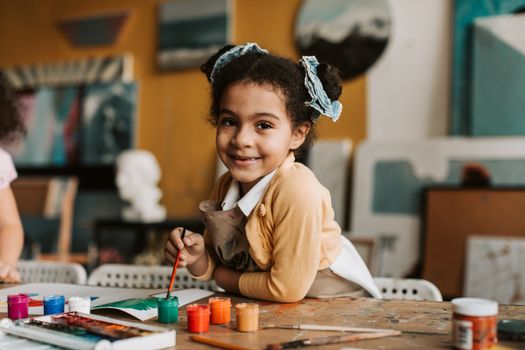 Photo: Vlada Karpovich / Pexels
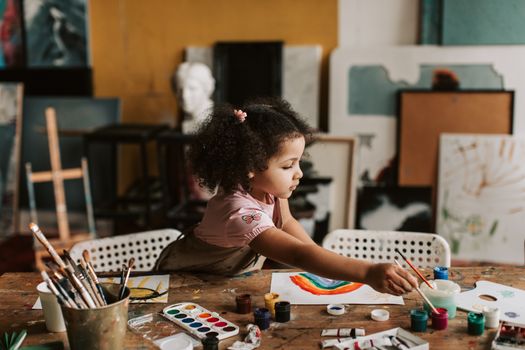 Photo: Vlada Karpovich / Pexels
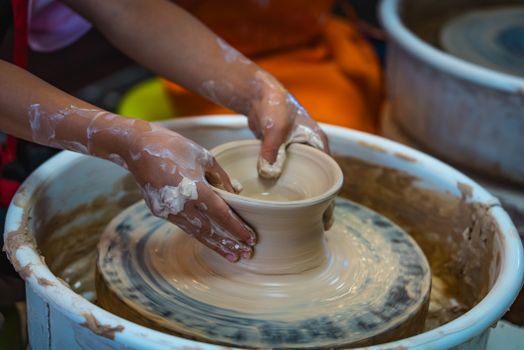 Photo: jason hu / Pexels