Discover the Best Art Museums in Canada
best art museums in Canada

Discover the Best Art Museums in Canada

Immerse yourself in Canada's vibrant art scene, from coast to coast, through world-class collections and captivating exhibitions.

Plan Your Visit

Key Takeaways

  • ✓ Canada boasts over 2,000 public and private art galleries and museums.
  • ✓ The National Gallery of Canada houses over 75,000 works of art.
  • ✓ Many Canadian art museums offer free admission on specific days or for certain age groups.
  • ✓ Indigenous art is a cornerstone of many major Canadian art institutions.

How It Works

1
Identify Your Art Interests

Are you passionate about contemporary, historical, Indigenous, or international art? Knowing your preferences helps narrow down the vast options available across Canada.

2
Research Regional Highlights

Each province and major city in Canada offers unique artistic institutions. Explore local guides or museum websites to discover prominent galleries in your desired travel region.

3
Check Exhibition Schedules

Museums frequently host temporary exhibitions that can significantly enhance your visit. Review their calendars to align your trip with compelling shows.

4
Plan Your Visit Logistics

Consider factors like opening hours, admission fees, accessibility, and nearby dining options. Many museums offer online ticketing and guided tours for a smoother experience.

Exploring Canada's Premier Artistic Institutions
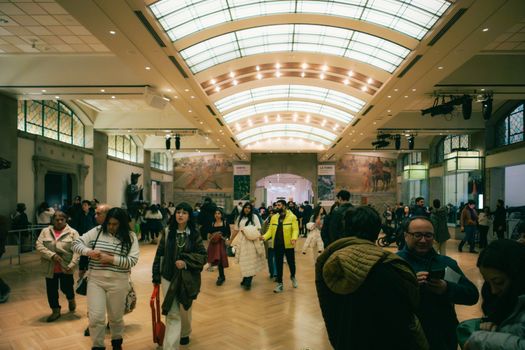
People exploring a vibrant art exhibit inside a Toronto museum hall. Photo: Anurag Jamwal / Pexels
Canada, a nation celebrated for its vast landscapes and diverse cultures, also offers an incredibly rich and varied art scene. From the bustling metropolises to the serene coastal towns, the best art museums in Canada are treasure troves of human creativity, housing everything from ancient Indigenous artifacts to cutting-edge contemporary installations. These institutions do more than just display art; they serve as vital cultural hubs, fostering dialogue, preserving heritage, and inspiring future generations. Whether you're a seasoned art aficionado or a curious newcomer, embarking on a journey through Canada's art galleries promises a profound and enriching experience. Each museum tells a unique story, reflecting the regional identity, historical trajectory, and artistic movements that have shaped the Canadian mosaic. Our exploration begins with the National Gallery of Canada (NGC) in Ottawa, undoubtedly the crown jewel of Canadian art institutions. Founded in 1880, the NGC's architectural grandeur, designed by Moshe Safdie, is a work of art in itself, featuring stunning glass towers and a spacious interior that invites contemplation. Its collection is encyclopedic, boasting over 75,000 works that span Canadian, Indigenous, European, American, and Asian art history. Visitors can marvel at iconic Canadian landscapes by the Group of Seven, delve into the intricate narratives of Indigenous art, or stand before masterpieces by European greats like Rembrandt and Monet. The NGC is not just about historical art; it's also a vibrant centre for contemporary art, regularly hosting groundbreaking exhibitions and maintaining an extensive collection of modern and postmodern works. Its commitment to showcasing the breadth of human artistic endeavour makes it an essential stop for anyone seeking to understand the scope of art in Canada. The institution's educational programs and public outreach initiatives further solidify its role as a national leader, making art accessible and engaging for all ages. For those interested in the broader cultural landscape, a visit to the NGC often complements exploration of other national institutions in the capital. Discovering Ottawa's cultural scene can truly enhance your understanding of Canada's artistic heritage. Beyond the national capital, major cities across Canada host their own world-class art museums. The Art Gallery of Ontario (AGO) in Toronto, for instance, is one of the largest art museums in North America, with a collection of over 120,000 works. Its stunning transformation by Frank Gehry has made it an architectural landmark, seamlessly blending historic elements with contemporary design. The AGO is particularly renowned for its extensive collection of Canadian art, including the largest public collection of works by the Group of Seven, as well as significant holdings of European masterpieces, African art, and contemporary photography. Its focus on accessibility and community engagement, through free admission for visitors under 25 and diverse programming, makes it a dynamic and inclusive space. Similarly, the Montreal Museum of Fine Arts (MMFA) stands as Quebec's largest and most visited museum, offering a truly global perspective. Its five pavilions house a diverse collection that ranges from Old Masters to contemporary art, alongside significant archaeological artifacts and decorative arts. The MMFA is celebrated for its innovative exhibition design and its commitment to interdisciplinary approaches, often blending art with music, film, and fashion. These urban institutions are not merely repositories of art; they are living, breathing spaces that contribute significantly to the cultural vibrancy and intellectual life of their respective cities, drawing millions of visitors annually and fostering a deeper appreciation for the visual arts.

Regional Gems and Indigenous Art Showcases
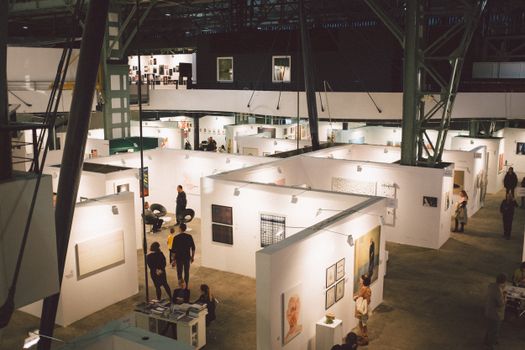
Art exhibition showcasing diverse paintings and installations in a spacious Budapest gallery. Photo: Bence Szemerey / Pexels
While national and provincial galleries often capture the spotlight, Canada's artistic landscape is also enriched by numerous regional gems and institutions dedicated to specific art forms or cultural narratives. These smaller, yet equally significant, museums offer intimate experiences and often provide deeper insights into local histories and artistic practices. For example, the Vancouver Art Gallery (VAG) in British Columbia is a cornerstone of the West Coast art scene. Housed in a magnificent former courthouse, the VAG boasts a significant collection of regional and national art, with a particular strength in historical and contemporary art from British Columbia, including a substantial body of work by Emily Carr. Its exhibitions frequently explore themes relevant to the Pacific Northwest, making it a crucial institution for understanding the artistic identity of the region. The VAG's commitment to showcasing Indigenous art is also paramount, reflecting the rich First Nations heritage of the province and connecting visitors with millennia of artistic tradition. The Winnipeg Art Gallery (WAG) in Manitoba is another standout, particularly for its groundbreaking Qaumajuq — the Inuit Art Centre. This architectural marvel, opened in 2021, is the first of its kind in the world, dedicated exclusively to Inuit art and culture. Qaumajuq houses the largest public collection of contemporary Inuit art globally, featuring over 14,000 carvings, prints, textiles, and new media works. This dedicated space not only celebrates the immense creativity and resilience of Inuit artists but also serves as a vital platform for education and reconciliation. The WAG's broader collection also includes European, American, and Canadian art, but its commitment to elevating Indigenous voices through Qaumajuq truly sets it apart as a leading institution for understanding and appreciating Canadian art in its fullest scope. This focus on Indigenous art is not limited to specialized centres; many major Canadian art museums have significantly expanded their collections and exhibitions to better represent and celebrate the diverse artistic traditions of First Nations, Inuit, and Métis peoples. Exploring Indigenous art offers a profound connection to Canada's ancient heritage. Further east, the Art Gallery of Nova Scotia (AGNS) in Halifax offers a captivating look at Atlantic Canadian art, alongside national and international works. It's particularly famous for housing Maud Lewis's tiny painted house, a poignant and popular exhibit that draws visitors from around the world. The AGNS collection emphasizes regional artists and themes, providing a window into the unique cultural narratives of the Maritimes. Similarly, the Remai Modern in Saskatoon, Saskatchewan, is a beacon of contemporary art on the prairies. With its striking architecture overlooking the South Saskatchewan River, the Remai Modern is home to the world's most comprehensive collection of Picasso linocuts, alongside a dynamic collection of modern and contemporary art with a strong focus on Indigenous and Canadian works. These regional galleries demonstrate that artistic excellence and cultural significance are not confined to Canada's largest cities but are distributed across the nation, each contributing a vital piece to the overall tapestry of Canadian art.

Immersive Experiences and Future Trends in Canadian Art Museums
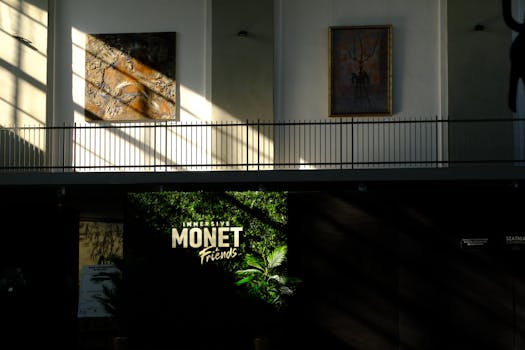
Sunlit art gallery showcasing the immersive Monet Friends exhibit signage. Photo: Bruno Krajski / Pexels
Canadian art museums are continually evolving, moving beyond traditional exhibition models to offer immersive and interactive experiences that engage visitors on multiple levels. Technology plays an increasingly significant role, with virtual reality tours, augmented reality exhibits, and interactive digital displays becoming more common. These innovations allow museums to reach broader audiences, enhance educational outcomes, and provide new ways to interact with art. For instance, some institutions are experimenting with digital archives that allow visitors to delve deeper into an artist's body of work or explore the historical context of a piece with unprecedented detail. The integration of multimedia installations also creates dynamic environments, transforming passive viewing into an active, multi-sensory engagement with artistic concepts. Beyond technological advancements, there's a growing emphasis on interdisciplinary approaches. Art museums are increasingly collaborating with other cultural institutions, scientists, and even performing artists to create exhibitions that blur the lines between disciplines. This trend allows for fresh perspectives on art, connecting it to broader societal issues, scientific discoveries, or historical events. Workshops, artist talks, and performance art pieces are becoming integral parts of museum programming, fostering a sense of community and encouraging direct engagement with creators and their processes. Many of the best art museums in Canada are at the forefront of this movement, recognizing that contemporary audiences seek more than just static displays; they crave connection, conversation, and a deeper understanding of the world through art. This shift aligns with a broader educational philosophy that positions museums not just as repositories, but as dynamic learning environments. Another significant trend is the focus on decolonization and reconciliation, particularly concerning Indigenous art and narratives. Canadian museums are actively working to address historical biases, repatriate artifacts, and ensure that Indigenous voices are central to the interpretation and presentation of their cultural heritage. This involves collaborating directly with Indigenous communities, hiring Indigenous curators, and rethinking exhibition methodologies to reflect Indigenous worldviews. Institutions like the Royal Ontario Museum (ROM) in Toronto, while not solely an art museum, houses significant art collections and exemplifies this commitment through its First Peoples art and culture galleries, which are continually being re-evaluated and updated in consultation with Indigenous elders and scholars. This ongoing process is vital for fostering a more inclusive and accurate understanding of Canada's artistic and cultural history. The future of Canadian art museums will undoubtedly continue to be shaped by these evolving conversations, ensuring they remain relevant, responsible, and reflective of Canada's diverse and complex identity. Understanding museum ethics is crucial for appreciating these developments. Furthermore, sustainability and environmental consciousness are emerging as key considerations for museums. From eco-friendly building designs to responsible collection management and reduced carbon footprints for exhibitions, institutions are recognizing their role in promoting environmental stewardship. This extends to the themes explored in art itself, with many contemporary artists addressing climate change and ecological concerns. By embracing these diverse trends – technological innovation, interdisciplinary collaboration, decolonization, and sustainability – Canadian art museums are solidifying their position as vibrant, forward-thinking cultural institutions that are not only preserving the past but actively shaping the future of artistic engagement.

Tips for Maximizing Your Art Museum Experience
A woman in hijab observing a vintage camera collection on shelves indoors, showcasing nostalgia and hobby interest. Photo: Elif Gökçe / Pexels
Visiting an art museum can be an incredibly rewarding experience, but a little planning can go a long way in ensuring you get the most out of your trip. Here are some essential tips to help you navigate the best art museums in Canada and truly appreciate their offerings: * **Do Your Research Ahead of Time:** Before you even set foot in a museum, check its website. Look for information on current exhibitions, permanent collections, opening hours, admission fees, and any special events or tours. Many museums offer online ticketing, which can save you time waiting in line. Understanding the museum's layout or highlights can help you prioritize what you want to see, especially in larger institutions. * **Pace Yourself:** Art fatigue is real! Don't try to see everything in one go, especially in large museums like the AGO or NGC. Focus on a few key sections or exhibitions that genuinely pique your interest. Take breaks, sit on benches, and allow yourself time to process what you're seeing. It’s better to deeply engage with a few pieces than to rush through hundreds. * **Consider a Guided Tour or Audio Guide:** Many museums offer guided tours led by knowledgeable docents who can provide context, insights, and stories that you might otherwise miss. Audio guides offer similar benefits, allowing you to go at your own pace while still gaining valuable information about the artworks. These can significantly enhance your understanding and appreciation. * **Visit During Off-Peak Hours:** If possible, try to visit on weekdays or during less busy times to avoid crowds. This allows for a more peaceful and contemplative experience, giving you ample space and time to engage with the art without feeling rushed or obstructed. Early mornings or late afternoons are often good choices. * **Engage with the Art:** Don't just passively look. Read the wall texts, consider the artist's intent, and reflect on how the artwork makes you feel. Ask yourself questions: What story is it telling? What techniques did the artist use? How does it relate to its historical context? Discussion with companions can also deepen your engagement. * **Take Advantage of Educational Resources:** Many museums provide brochures, interactive displays, and dedicated educational areas. These resources are designed to help visitors of all ages and backgrounds better understand the art and its context. If traveling with children, look for family-friendly activities or guides. * **Respect Museum Etiquette:** Always follow museum rules regarding photography, touching artwork, and noise levels. Silence your phone and be mindful of other visitors' experiences. Protecting the art and ensuring a pleasant environment for everyone are paramount. These simple courtesies ensure a respectful and enjoyable visit for all patrons. By following these tips, you're not just visiting a museum; you're embarking on a curated journey that promises deeper understanding and lasting inspiration from Canada’s incredible artistic heritage.

Comparison

FeatureNational Gallery of Canada (Ottawa)Art Gallery of Ontario (Toronto)Montreal Museum of Fine Arts
Collection Size75,000+120,000+45,000+
Key StrengthsCanadian, Indigenous, European MastersCanadian (Group of Seven), European, PhotographyEuropean, Ancient Cultures, Contemporary
ArchitectureMoshe Safdie (modern)Frank Gehry (renovated)Multiple Pavilions (diverse styles)
Accessibility Features
Free Admission (permanent collection)✓ (Thursdays 5-8pm)✓ (Under 25, Wednesdays 6-9pm)✓ (Under 30, Permanent Collection)

What Readers Say

"The National Gallery of Canada truly exceeded my expectations. The Indigenous art collection was breathtaking, and the special exhibitions were thoughtfully curated. A must-visit if you're exploring the best art museums in Canada."

Sarah L. · Vancouver, BC

"The AGO is a masterpiece itself. Frank Gehry's design perfectly complements the incredible range of art. I spent hours lost in the Group of Seven collection and discovered so many new artists."

Michael D. · Toronto, ON

"Montreal Museum of Fine Arts offers such a diverse global collection. The interactive elements in some exhibits made the experience even more engaging, truly a standout among Canadian art institutions."

Elena P. · Montreal, QC

"While smaller than some, the Vancouver Art Gallery had a powerful regional focus, especially on Emily Carr. It gave me a deep appreciation for West Coast art that I hadn't anticipated. Well worth the visit."

David R. · Calgary, AB

"Seeing Maud Lewis's house at the Art Gallery of Nova Scotia was profoundly moving. It's these unique, personal touches that make Canadian art museums so special and memorable. Highly recommend!"

Jessica M. · Halifax, NS

Frequently Asked Questions

What is the largest art museum in Canada?

The Art Gallery of Ontario (AGO) in Toronto is generally considered the largest art museum in Canada by the number of artworks in its collection, boasting over 120,000 pieces. The National Gallery of Canada also has a vast collection, making both significant institutions.

Are Canadian art museums accessible for people with disabilities?

Most major Canadian art museums are committed to accessibility, offering features like ramp access, elevators, accessible washrooms, and often provide wheelchairs for loan. It's always best to check the specific museum's website for detailed accessibility information before your visit.

How can I find free admission days for art museums in Canada?

Many Canadian art museums offer free admission during specific hours or on certain days of the week. For example, the National Gallery of Canada offers free admission on Thursday evenings, and the AGO has free admission for visitors under 25. Check individual museum websites for their current free admission policies and schedules.

What is the average cost of admission to Canadian art museums?

Admission costs vary widely, but for major institutions, adult general admission typically ranges from $15 to $30 CAD. Discounts are often available for seniors, students, and youth. Some smaller or public galleries may offer free admission or by donation.

How do Canadian art museums compare to those in the US or Europe?

Canadian art museums hold their own against international counterparts, particularly in showcasing Canadian, Indigenous, and contemporary art. While they may not always have the same depth of ancient European or Asian collections as some colossal European or American institutions, they offer unique perspectives, strong regional focuses, and often more intimate, engaging experiences, with world-class facilities and exhibitions.

Who should visit the best art museums in Canada?

Anyone with an interest in art, history, culture, or simply looking for an enriching experience should visit. Art museums cater to a wide audience, from seasoned art critics and academic researchers to families looking for educational outings and tourists seeking cultural immersion. They offer something for every age and interest level.

Is it safe to visit art museums in Canada?

Yes, Canadian art museums are generally very safe. They maintain high security standards for their collections and visitors, with staff present to assist. Standard precautions like being aware of your surroundings and keeping personal belongings secure are always advisable in any public space.

What future trends can we expect in Canadian art museums?

Future trends include continued integration of digital technologies for immersive experiences, a stronger focus on decolonization and reconciliation with Indigenous communities, increased emphasis on sustainability, and more interdisciplinary exhibitions that connect art with science, social issues, and other cultural forms. Expect dynamic, evolving spaces that prioritize engagement and relevance.

Embark on an unforgettable cultural journey and explore the best art museums in Canada. Each institution offers a unique window into human creativity and Canadian identity, promising inspiration and discovery. Plan your visit today and immerse yourself in Canada's vibrant artistic heritage.

Topics: best art museums in CanadaCanadian art galleriesmust-visit museums Canadatop art collections Canadacultural attractions Canada
Leo List

IE Escorts NO Escorts US Escorts NZ Escorts AU Escorts
Brampton weed
Adultwork EstrelaBet Vai de Bet R7 Bet Betão Galera Bet Rainbet Bet9ja Shop SportyBet BetKing Sisal Loto Foot Hollywoodbets YesPlay Odibets RushBet Jugabet BetWarrior BetCity MSport betPawa Fortebet