Explore Toronto's Vibrant Art Galleries: A Curated Guide

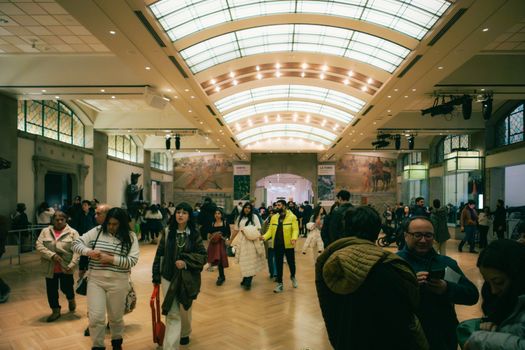
People exploring a vibrant art exhibit inside a Toronto museum hall.Photo: Anurag Jamwal / Pexels

Explore Toronto's Vibrant Art Galleries: A Curated Guide

Uncover Toronto's dynamic art scene, from established institutions to hidden gems, offering diverse artistic experiences for every enthusiast.

Start Your Art Journey

Key Takeaways

  • ✓ Toronto boasts over 100 art galleries, ranging from large public institutions to intimate private spaces.
  • ✓ The city's art scene is incredibly diverse, showcasing Canadian, Indigenous, and international works.
  • ✓ Many galleries offer free admission or pay-what-you-can options, making art accessible to all.
  • ✓ First Thursdays in the Distillery District and Queen West Art Crawl are popular art events.

How It Works

1
Define Your Interest

Before visiting, consider what type of art appeals to you. Are you drawn to contemporary, historical, Indigenous, or experimental works? This helps narrow down your choices.

2
Research & Plan Your Route

Utilize online resources, gallery directories, and this guide to identify galleries matching your interests and location. Plan a route to maximize your time, especially if visiting multiple venues.

3
Immerse Yourself in the Art

Once there, take your time to appreciate each piece. Read accompanying descriptions, attend artist talks if available, and allow yourself to connect with the artwork on a deeper level.

4
Engage and Reflect

Don't hesitate to ask gallery staff questions about the artists or exhibits. After your visit, reflect on what you saw and felt, perhaps even journaling about your favorite pieces or discoveries.

Unveiling Toronto's Premier Public Art Institutions
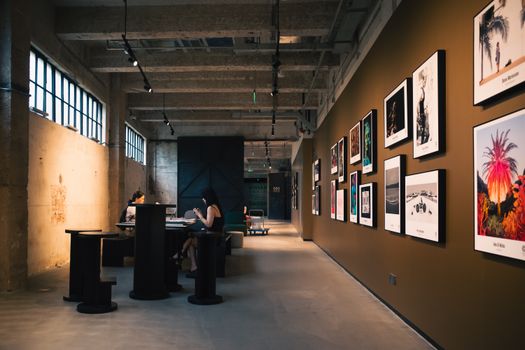
Art gallery hallway with framed artworks and visitors seated inside, under warm lighting.Photo: ProtSilver Chen / Pexels
Toronto, a city celebrated for its multiculturalism and innovation, is also a burgeoning hub for visual arts. The sheer volume and diversity of art galleries in Toronto offer an unparalleled experience for both seasoned art connoisseurs and curious newcomers. At the forefront of this vibrant scene are its major public institutions, which serve as cornerstones of Canadian art and culture. These galleries are not merely spaces for display; they are dynamic educational centers, research hubs, and community gathering places that preserve, interpret, and showcase artistic heritage from around the globe and within Canada. They play a crucial role in shaping public understanding and appreciation of art, often hosting blockbuster exhibitions that draw international attention. The Art Gallery of Ontario (AGO) stands as a monumental pillar in Toronto's art landscape. Located in the heart of downtown, the AGO is one of the largest and most distinguished art museums in North America. Its impressive collection spans from the first century to the present day, encompassing a vast array of artistic movements and geographies. Visitors can wander through expansive galleries dedicated to European masterpieces, contemporary art, photography, and an outstanding collection of Canadian art, including the world's largest public collection of works by the Group of Seven. The AGO also boasts a significant collection of Indigenous and Inuit art, reflecting Canada's rich and diverse cultural tapestry. Beyond its permanent collections, the AGO is renowned for its ambitious temporary exhibitions, often featuring works by global art icons. The architectural redesign by Frank Gehry further enhances the visitor experience, creating a captivating dialogue between classic and contemporary aesthetics. Its commitment to accessibility is evident through various programs and free admission for visitors 25 and under, making it a truly inclusive space. Another essential public institution is The Power Plant Contemporary Art Gallery, situated on the picturesque waterfront at Harbourfront Centre. As Canada's leading public gallery devoted exclusively to contemporary art, The Power Plant is a beacon for cutting-edge artistic expression. It presents a robust program of temporary exhibitions, publications, and events that explore diverse perspectives and challenge conventional notions of art. The gallery is known for showcasing both established and emerging Canadian and international artists, often introducing groundbreaking works to a Canadian audience. Its focus on critical engagement and intellectual discourse makes it a vital space for understanding current trends and future directions in contemporary art. Admission to The Power Plant is always free, fostering an environment where everyone can engage with challenging and thought-provoking art. Beyond these titans, other public spaces contribute significantly to Toronto's artistic fabric. The Gardiner Museum, dedicated to ceramic art, offers a unique focus, housing collections that span ancient Americas, Europe, Asia, and contemporary Canadian works. The Textile Museum of Canada, though smaller, provides an insightful look into the art of textiles from various cultures and historical periods. These institutions, through their specialized collections and educational programs, enrich the overall experience of exploring art galleries in Toronto, offering different lenses through which to view and appreciate artistic creation. Their presence collectively solidifies Toronto's reputation as a city deeply invested in the arts, providing endless opportunities for discovery and inspiration.

Exploring Toronto's Diverse Commercial Galleries and Artist-Run Spaces
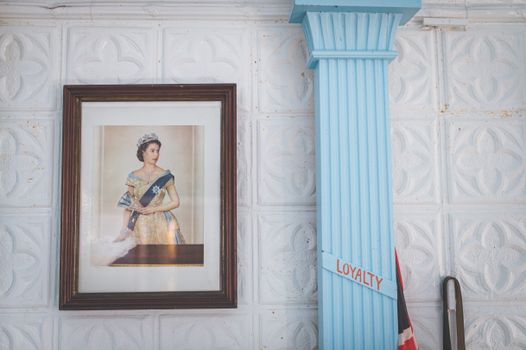
Framed portrait of a queen beside a blue column with loyalty sign.Photo: Stephen Andrews / Pexels
While Toronto's public institutions provide a broad overview of art history and contemporary movements, the city's commercial galleries and artist-run spaces offer a more intimate and often avant-garde look into the current art market and emerging artistic practices. These spaces are crucial for the livelihood of artists, providing platforms for their work to be seen, discussed, and acquired. They contribute significantly to the dynamic and ever-evolving nature of the art galleries in Toronto scene, fostering innovation and supporting local talent. Understanding the distinction between these types of galleries is key to appreciating the full spectrum of Toronto's artistic offerings. Commercial galleries operate as businesses, representing artists and facilitating the sale of their work, while artist-run centers are typically non-profit organizations focused on experimental art, community engagement, and critical dialogue, often supported by grants and memberships. Queen West and the surrounding areas, including Ossington Avenue, have long been recognized as a vibrant hub for commercial galleries. Here, you'll find a concentration of spaces showcasing a wide range of contemporary art, from painting and sculpture to photography and new media. Galleries like Patel Brown, known for its cutting-edge programming and representation of diverse Canadian and international artists, or General Hardware Contemporary, which consistently features thought-provoking exhibitions, are prime examples. These galleries often host opening receptions, providing opportunities to meet artists, gallerists, and fellow art enthusiasts, creating a lively social dimension to art appreciation. Walking through these neighborhoods allows for a spontaneous gallery hop, where each door opens to a new artistic discovery. The energy in these areas is palpable, fueled by the creative spirit of both the artists and the gallerists dedicated to promoting their work. The Distillery Historic District, with its charming cobblestone streets and Victorian-era architecture, is another significant area for commercial galleries. This pedestrian-only village is home to several prominent galleries, such as the Corkin Gallery, which specializes in photography and contemporary art, and the Arta Gallery, known for its diverse collection of Canadian and international artists. The unique ambiance of the Distillery District adds an extra layer of enjoyment to the gallery experience, making it a popular destination for art lovers and tourists alike. The blend of history and contemporary art creates a captivating environment that encourages exploration and discovery. Many galleries in this district also participate in 'First Thursdays,' an evening event where galleries open new exhibitions and host special events, transforming the district into a bustling cultural destination. Beyond the commercial realm, Toronto is also home to a robust network of artist-run centers that push the boundaries of artistic expression. Spaces like A Space Gallery, Trinity Square Video, and Mercer Union are vital for supporting experimental and non-commercial art practices. These centers often focus on marginalized voices, critical theory, and community-based projects, providing platforms for artists who might not fit into traditional commercial gallery models. They are incubators for new ideas and critical discourse, playing an indispensable role in the artistic ecosystem of Toronto. Visiting these artist-run spaces offers a glimpse into the more experimental and community-driven facets of the city's art scene, highlighting the depth and breadth of art galleries in Toronto.

Navigating Niche Galleries and Hidden Gems for Unique Discoveries
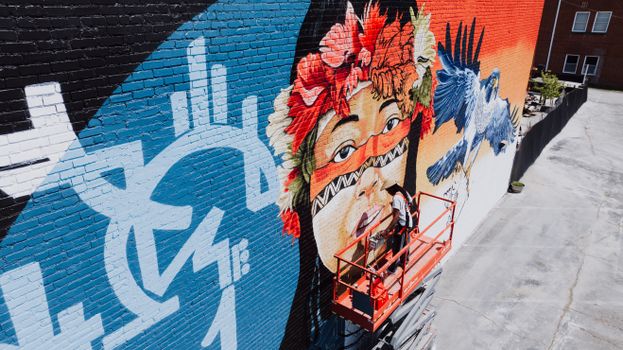
Colorful mural depicting cultural themes on a wall in Chattanooga, Tennessee.Photo: K / Pexels
Beyond the well-trodden paths of major institutions and commercial districts, Toronto's art scene is rich with niche galleries and hidden gems that offer specialized experiences and unexpected discoveries. These smaller, often independent spaces are where passion projects come to life, where unique artistic perspectives flourish, and where you can often find truly singular pieces. For those looking to delve deeper into specific art forms, cultural expressions, or emerging movements, exploring these less-advertised art galleries in Toronto can be incredibly rewarding. They provide a more intimate viewing experience, often allowing for direct engagement with gallerists who are deeply knowledgeable about their artists and collections. One fascinating aspect of Toronto's niche gallery scene is its focus on Indigenous art. Galleries like Urban Shaman Contemporary Art (though based in Winnipeg, its influence and artists are often seen in Toronto) or local Indigenous-focused exhibits within larger institutions and dedicated smaller galleries play a crucial role in showcasing the rich artistic traditions and contemporary expressions of First Nations, Inuit, and Métis artists. These spaces are not just galleries; they are cultural hubs that foster understanding, dialogue, and reconciliation through art. They present a powerful narrative that is essential to Canada's cultural identity, offering works that range from traditional carvings and beadwork to contemporary multimedia installations. Supporting these galleries means contributing to the preservation and promotion of vital cultural heritage and contemporary Indigenous voices. Photography enthusiasts will find several dedicated spaces that celebrate the art of the lens. The Stephen Bulger Gallery, for instance, is a prominent commercial gallery specializing in Canadian and international photography, offering a curated selection of vintage and contemporary works. Similarly, smaller pop-up exhibits and university galleries often feature cutting-edge photographic practices and documentary projects. These venues provide a focused environment to appreciate the nuances of photographic art, from historical processes to digital innovations. They often host artist talks and workshops, enriching the experience for both collectors and aspiring photographers. For those interested in contemporary craft and design, Toronto offers galleries that blur the lines between art and functional objects. Spaces dedicated to ceramics, glass art, jewelry, and textile art showcase the incredible skill and creativity involved in these disciplines. These galleries highlight the artistic merit of handcrafted items, often featuring works by Canadian artisans who are pushing the boundaries of their respective crafts. Visiting these spaces can be a delightful journey into the world of applied arts, revealing the beauty and complexity of objects designed for both aesthetic pleasure and practical use. The intimate scale of these galleries often allows for a more personal connection with the artwork and the artists' intentions. Unearthing these unique and specialized art galleries in Toronto enriches the overall artistic landscape, proving that the city's art scene is as diverse and multifaceted as its population.

Tips for an Enriching Gallery Experience & Avoiding Common Pitfalls
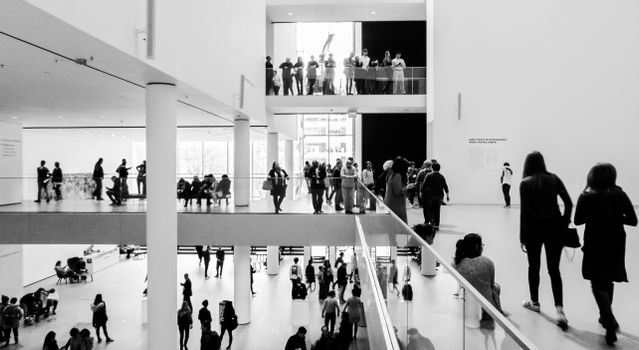
A dynamic black and white image of people in a modern museum setting.Photo: Bjorn Pierre / Pexels
To truly make the most of your visits to art galleries in Toronto, a little preparation and mindful engagement can go a long way. An enriching experience isn't just about seeing art; it's about connecting with it, understanding its context, and allowing it to provoke thought and emotion. By adopting a few key strategies, you can transform a casual visit into a deeply memorable and insightful journey. Conversely, being aware of common pitfalls can help you avoid frustrations and ensure a more enjoyable outing. Here are some tips for an enriching gallery experience: * **Do Your Homework:** Before visiting, check the gallery's website for current exhibitions, opening hours, and any special events like artist talks or guided tours. This allows you to prioritize and plan your time effectively. * **Go with an Open Mind:** Approach each artwork without preconceptions. Let the piece speak to you first before consulting the wall text or your phone. Art is subjective, and your initial reaction is valuable. * **Take Your Time:** Don't rush through the galleries. Allow yourself to pause, observe details, and reflect on what you're seeing. Sometimes, stepping back and then returning to a piece can reveal new insights. * **Engage with Staff:** Gallery attendants and docents are often a wealth of information. Don't hesitate to ask questions about the art, artists, or the gallery's mission. Their insights can deepen your appreciation. * **Attend Special Events:** Look out for exhibition openings, artist Q&As, panel discussions, or workshops. These events offer unique opportunities to engage with the art and the art community on a deeper level. * **Support the Arts:** If you can, consider making a donation, purchasing a catalogue, or buying a piece of art from commercial galleries. Your support helps sustain the vibrant art scene. And here are some common pitfalls to avoid: * **Over-scheduling:** Trying to visit too many galleries in one day can lead to art fatigue. It's better to deeply explore a few than superficially skim many. Focus on quality over quantity. * **Ignoring Wall Text:** While it's good to form your own opinions, wall texts and labels often provide crucial context about the artist's intentions, historical background, or artistic techniques. They are there to enhance your understanding. * **Being Afraid to Ask:** Many people feel intimidated in art galleries. Remember, these spaces are for everyone. Your questions are valid and contribute to your learning experience. * **Focusing Only on Famous Names:** While iconic artists are a draw, don't overlook emerging or lesser-known artists. You might discover your next favorite artist in a smaller, independent gallery. * **Forgetting to Look Up/Down/Around:** Sometimes, installations extend beyond eye level or are placed in unexpected locations. Be observant of your entire surroundings. * **Distracting Others:** Be mindful of other visitors. Keep conversations at a low volume and avoid blocking views of artwork for extended periods. Respect the contemplative atmosphere of the gallery.

Comparison

FeatureArt Gallery of Ontario (AGO)The Power PlantPatel Brown GalleryStephen Bulger Gallery
FocusDiverse historical & contemporaryCutting-edge contemporaryEmerging & established contemporaryPhotography (vintage & contemporary)
AdmissionFree (under 25) / Paid (25+)Always FreeFreeFree
SizeVery LargeMediumSmall/MediumSmall
Collection TypePermanent & TemporaryTemporary Exhibitions OnlyTemporary Exhibitions (for sale)Temporary Exhibitions (for sale)
VibeGrand, EducationalModern, IntellectualVibrant, CommercialSpecialized, Intimate

What Our Readers Say

5 ★★★★★

"The AGO is an absolute must-visit among art galleries in Toronto. Their Indigenous art collection is incredibly powerful, and I always find something new and inspiring, whether it's a classic or a challenging contemporary piece."

5 ★★★★★

"I love how The Power Plant consistently brings innovative contemporary art to the city. It's refreshing to see such diverse and thought-provoking exhibitions, and the free admission makes it incredibly accessible for everyone to enjoy the art galleries in Toronto."

5 ★★★★★

"Exploring the art galleries in Toronto's Queen West area was a fantastic experience. I discovered a new artist at Patel Brown whose work resonated deeply with me, and I even purchased a print, a truly unique souvenir of my visit."

4 ★★★★☆

"While the AGO is grand, I often find myself drawn to the smaller, more specialized art galleries in Toronto like the Stephen Bulger Gallery. Their photography exhibitions are always meticulously curated, offering a focused and reflective viewing experience, though parking can be a bit of a challenge."

5 ★★★★★

"As an artist visiting from out of town, I was truly impressed by the breadth and depth of the art galleries in Toronto. From the massive AGO to the intimate artist-run spaces, the city clearly fosters a thriving and supportive arts community, making it a fantastic destination for creative inspiration."

Frequently Asked Questions

What are the must-visit art galleries in Toronto for first-timers?
For first-timers, the Art Gallery of Ontario (AGO) is essential due to its vast collection spanning centuries and cultures. The Power Plant Contemporary Art Gallery offers a deep dive into modern art, and a stroll through the commercial galleries in Queen West or the Distillery District provides a great overview of the city's vibrant art market.
Are most art galleries in Toronto free to enter?
While major institutions like the AGO have paid admission for adults (often free for youth), many contemporary and commercial art galleries in Toronto, such as The Power Plant, are completely free to enter. It's always best to check individual gallery websites before your visit for specific admission policies and hours.
How can I find out about current exhibitions and art events in Toronto?
To stay updated on current exhibitions, check the websites of individual galleries, consult local arts publications like Akimbo or Canadian Art, and look for event listings from Toronto Arts Council. Many galleries also use social media to announce new shows and events.
What's the best way to experience multiple art galleries in one day?
To experience multiple art galleries efficiently, focus on specific neighborhoods like Queen West, the Distillery District, or around Kensington Market. Plan your route to minimize travel time between venues and consider using public transit or walking. Don't try to see too much; quality over quantity ensures a more enjoyable experience.
How do Toronto's art galleries compare to those in other major Canadian cities?
Toronto's art galleries offer a unique blend of large-scale institutions, a robust commercial market, and a thriving network of artist-run centers, making it one of Canada's most diverse and active art scenes. While cities like Montreal and Vancouver also have strong art communities, Toronto's sheer volume and international scope provide an unparalleled breadth of artistic experiences, particularly in contemporary and Indigenous art.
Who should explore art galleries in Toronto?
Anyone with an interest in culture, history, or contemporary expression should explore art galleries in Toronto. Whether you're a seasoned art collector, a student, a tourist, or a local looking for inspiration, the city's diverse offerings cater to all ages and levels of artistic appreciation. It's a fantastic way to engage with the city's creative pulse.
Is it safe to visit art galleries in Toronto alone?
Yes, it is generally very safe to visit art galleries in Toronto alone. Galleries are typically well-lit public spaces with staff present. Toronto is a safe city, and exploring its cultural institutions solo can be a wonderfully contemplative and personal experience. Always be aware of your surroundings, as you would in any urban environment.
What are the future trends for art galleries in Toronto?
Future trends for art galleries in Toronto include increased digital integration for virtual tours and online sales, a greater focus on diverse representation (especially Indigenous and BIPOC artists), and continued emphasis on immersive and experiential art. Sustainability practices and community engagement initiatives are also expected to grow, shaping a more inclusive and forward-thinking art scene.

Embark on your artistic adventure through the dynamic landscape of art galleries in Toronto. From monumental institutions to intimate artist-run spaces, the city offers an unparalleled journey into the world of visual arts. Start planning your visit today and uncover the vibrant creativity that defines Toronto's cultural heart.

Topics: art galleries in TorontoToronto art scenecontemporary art TorontoCanadian art galleriesvisual arts Toronto