Discover Transformative Art Therapy Programs Ontario
Unlock healing and growth through creative expression, finding the perfect program to fit your personal or professional goals.
Start Your Creative JourneyKey Takeaways
- ✓ Art therapy combines creative processes and psychotherapy to improve mental, emotional, and physical well-being.
- ✓ Ontario offers various academic and professional development programs for aspiring and current art therapists.
- ✓ No prior art experience is needed to benefit from art therapy; the focus is on the process, not the product.
- ✓ Registered Art Therapists (ATR) in Ontario adhere to ethical guidelines and professional standards.
How It Works
Learn the foundational principles and diverse applications of art therapy in various settings. This involves grasping how creative expression facilitates communication and insight.
Identify accredited art therapy programs in Ontario, considering factors like curriculum, faculty, and clinical placement opportunities. Researching ensures alignment with your career aspirations.
Navigate the application process, including submitting transcripts, portfolios (if required), and personal statements. Successful enrollment marks the beginning of a transformative educational experience.
Engage in supervised clinical practice and meet certification requirements to become a Registered Art Therapist. This hands-on experience is crucial for developing practical skills and ethical competence.
The Healing Power of Creative Arts Therapy in Ontario
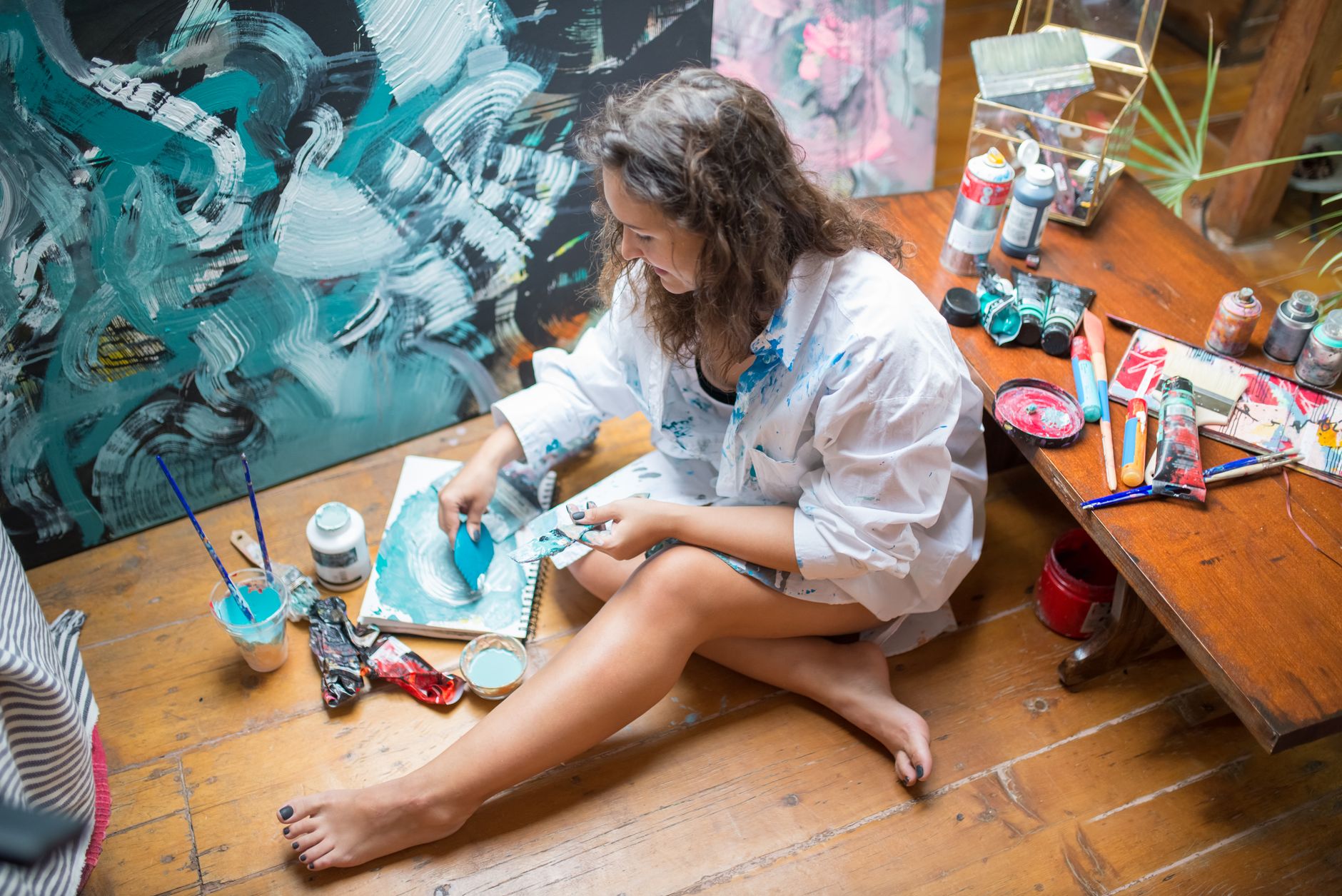
 Photo: Steve A Johnson / Pexels
Navigating Art Therapy Education and Training in Ontario
Key Considerations for Choosing Art Therapy Programs Ontario
Tips for Aspiring Art Therapists and Common Misconceptions
Comparison
| Feature | University of Toronto | Western University | Concordia University (MTL - popular for ON students) | Toronto Art Therapy Institute (TATI) |
|---|---|---|---|---|
| Program Type | Master of Arts in Drama Therapy (focuses on drama, but has art therapy overlap) | Master of Arts in Art Therapy | Master of Arts in Art Therapy | Diploma in Art Therapy (post-graduate) |
| Accreditation | University Accreditation | CATA-recognized | CATA-recognized | CATA-recognized |
| Duration (full-time) | 2 years | 2 years | 2.5-3 years | 2 years |
| Entry Requirements | Relevant undergrad, portfolio, interview | Relevant undergrad, psychology, portfolio, interview | Relevant undergrad, psychology, portfolio, interview | Relevant undergrad, portfolio, clinical experience |
| Clinical Placement | Integrated | Extensive supervised hours | Extensive supervised hours | Extensive supervised hours |
| Research Focus | ✓ | ✓ | ✓ | ✗ (more practice-oriented) |
What Readers Say
"Enrolling in an art therapy program in Ontario was life-changing. The blend of psychological theory and hands-on art-making helped me truly understand how to connect with clients on a deeper level. I feel fully prepared for my career."
Sarah J. · Toronto, ON"The faculty at my Ontario art therapy program were exceptional. Their guidance during clinical placements was invaluable, providing me with the confidence and skills to work effectively with diverse populations. Highly recommend the experience."
Mark D. · Ottawa, ON"Thanks to my art therapy program in Ontario, I successfully transitioned from a career in fine arts to a rewarding role in mental health. The program gave me the therapeutic framework I needed to use my creative skills for healing, and I now run my own private practice."
Emily R. · Hamilton, ON"My experience with art therapy programs in Ontario was largely positive. While challenging, the program pushed me to grow personally and professionally. I would have appreciated slightly more emphasis on specific business practices for private practice, but the core therapeutic training was excellent."
David L. · London, ON"As a former teacher, I wanted to combine my passion for helping children with creativity. The art therapy program I attended in Ontario provided the perfect bridge, allowing me to now work as an art therapist in a school setting, supporting students' emotional development through art."
Jessica M. · Kingston, ONFrequently Asked Questions
What qualifications do I need to enroll in art therapy programs in Ontario?
Most art therapy master's programs in Ontario require an undergraduate degree, often in psychology or a related field, and some studio art experience. A strong academic record, a personal statement, letters of recommendation, and an art portfolio are typically part of the application process. Some programs may also require an interview.
Is art therapy recognized as a legitimate form of therapy in Ontario?
Yes, art therapy is a recognized and respected form of psychotherapy in Ontario and across Canada. Registered Art Therapists (ATR) adhere to professional standards and ethical guidelines set by the Canadian Art Therapy Association (CATA), and their services are increasingly integrated into various healthcare and community settings.
How long does it take to become a Registered Art Therapist (ATR) in Ontario?
Typically, becoming a Registered Art Therapist involves completing a two-year full-time master's degree program, followed by a period of supervised clinical hours (usually 1000-2000 hours) which can take an additional 1-3 years. The total time from starting a master's program to full registration can be 3-5 years.
What is the typical cost of art therapy programs in Ontario?
The cost of art therapy programs in Ontario can vary significantly depending on the institution (university vs. institute) and whether you are a domestic or international student. Tuition for master's programs can range from approximately $8,000 to $20,000 per year for domestic students, plus living expenses and art supplies. Financial aid and scholarships are often available.
How does art therapy differ from art education or recreational art?
Art therapy is a distinct mental health profession that uses creative expression within a therapeutic relationship to improve mental, emotional, and physical well-being. Unlike art education, which focuses on teaching artistic skills, or recreational art, which is for leisure, art therapy is goal-oriented and facilitated by a trained art therapist who integrates psychotherapeutic theories to address specific client needs and promote healing.
Who can benefit most from art therapy programs in Ontario?
Art therapy programs are ideal for individuals who are empathetic, have a genuine interest in mental health, possess strong communication skills, and are open to personal growth and self-reflection. A passion for creative expression and a desire to help others heal through non-verbal means are also key attributes for success in this field.
Are there any risks or ethical considerations in practicing art therapy?
As with any therapeutic practice, art therapy involves ethical considerations such as client confidentiality, informed consent, maintaining professional boundaries, and cultural competence. Registered Art Therapists are trained to navigate these complexities and adhere to strict ethical codes to ensure client safety and well-being. Supervision is also a critical component to mitigate risks.
What is the job outlook for art therapists in Ontario?
The job outlook for art therapists in Ontario is generally positive and growing. With an increasing focus on mental health and holistic care, demand for qualified art therapists is rising in various sectors including hospitals, schools, community health centers, long-term care facilities, and private practice. The field is expanding as the benefits of creative arts therapies become more widely recognized.
Ready to unlock your potential and make a profound difference in the lives of others? Explore the transformative art therapy programs Ontario has to offer and embark on a rewarding career path. Your journey towards becoming a Registered Art Therapist begins now.