
Mastering Abstract Art Techniques for Beginners
Dive into the world of abstract art with simple, engaging techniques designed for absolute beginners to express themselves.
Start Your Abstract JourneyKey Takeaways
- ✓ Abstract art emphasizes expression over representation.
- ✓ No prior art experience is necessary to begin.
- ✓ Every piece of abstract art is unique and personal.
- ✓ Experimentation is the core of abstract art creation.
How It Works
Collect basic art supplies like acrylic paints, brushes, canvas or paper, and found objects. Simplicity is key for starting out.
Familiarize yourself with core methods such as dripping, pouring, layering, and mark-making. Practice each one to understand its effect.
Allow yourself to create without judgment, focusing on the process rather than a final outcome. This fosters genuine artistic expression.
Step back from your work, observe what you've created, and consider what feelings or ideas it evokes. This helps in developing your unique artistic voice.
Unlocking Your Inner Artist: Understanding Abstract Art
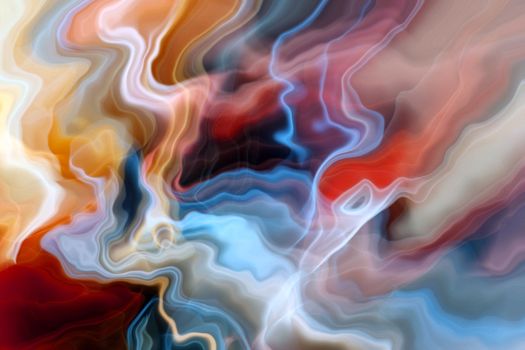 Photo: Landiva Weber / Pexels
Essential Materials and Setup for Your First Abstract Piece
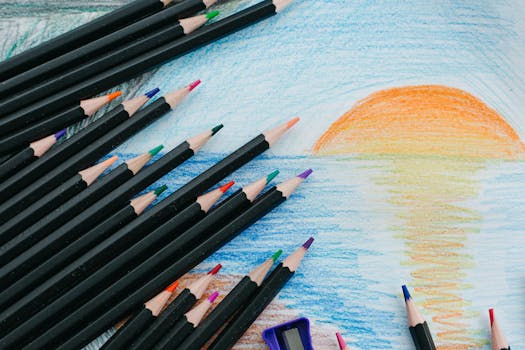 Photo: Anastasia Shuraeva / Pexels
Hands-On Exploration: Fundamental Abstract Techniques
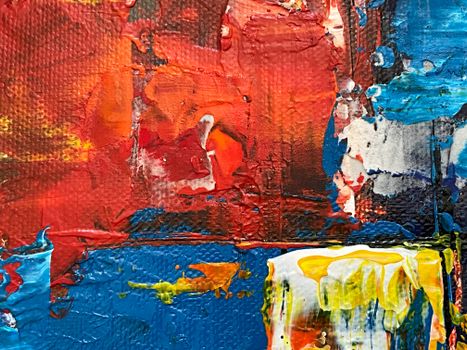 Photo: Steve A Johnson / Pexels
Overcoming Creative Blocks and Developing Your Unique Style
 Photo: Ann H / Pexels
Comparison
| Feature | Acrylic Paints | Oil Paints | Watercolours |
|---|---|---|---|
| Drying Time | Fast | Slow | Moderate |
| Cleanup | Water-soluble | Solvent needed | Water-soluble |
| Opacity/Transparency | Versatile (opaque to transparent) | Versatile (opaque to transparent) | Mostly transparent |
| Beginner Friendliness | ✓ | ✗ | ✓ |
| Layering Capability | Excellent | Excellent | Good (requires practice) |
What Readers Say
"This guide completely demystified abstract art for me! I used to think it was too complex, but the techniques explained here made it so accessible. I've already created several pieces I'm proud of."
Sarah L. · Vancouver, BC"As someone with no prior art experience, this article was a game-changer. The focus on experimentation and using everyday materials really encouraged me to just start creating without fear of failure."
Mark D. · Toronto, ON"Following these abstract art techniques for beginners, I completed my first series of abstract paintings that now hang in my living room. The step-by-step approach and emphasis on personal expression truly helped me find my artistic voice."
Emily R. · Calgary, AB"The content on abstract art techniques for beginners was very thorough, though I wished there were more specific examples of colour palettes for different moods. Still, an incredibly valuable resource for any novice."
David S. · Montreal, QC"I'm a digital artist, but I wanted to try something tactile. These beginner abstract techniques were perfect for transitioning to physical media. It's so freeing to work without an undo button!"
Jessica M. · Halifax, NSFrequently Asked Questions
What is the best type of paint for abstract art techniques for beginners?
Acrylic paints are highly recommended for beginners. They are water-soluble, dry quickly, and are very versatile, allowing for both thick impasto and thin washes. Their non-toxic nature and easy cleanup make them ideal for those just starting out without needing special solvents.
Do I need to be a good drawer to create abstract art?
Absolutely not! Abstract art is non-representational, meaning it doesn't aim to depict recognizable objects or figures. Your ability to draw realistically has no bearing on your capacity to create compelling abstract art. It's more about colour, form, texture, and emotion.
How do I start an abstract painting if I have no ideas?
Begin without a specific idea. Start by choosing a few colours that appeal to you and simply apply them to your surface using one of the techniques discussed, like dripping or mark-making. Let the process guide you, reacting to what appears on the canvas. Often, an idea or feeling will emerge as you work intuitively.
Is abstract art expensive for beginners?
It doesn't have to be expensive at all. You can start with very affordable acrylic paints, basic brushes, and even repurposed surfaces like cardboard. Many household items can serve as tools for creating unique textures. The investment can be as minimal or as significant as you choose.
How is abstract art different from modern art?
Modern art is a broad term encompassing many art movements from the late 19th to mid-20th century, including Impressionism, Cubism, and Surrealism. Abstract art is a *type* of modern art (and contemporary art) that specifically breaks away from depicting external reality. Not all modern art is abstract, but abstract art is generally considered a part of the modern and contemporary art eras.
Who should try abstract art techniques for beginners?
Anyone seeking a creative outlet, those looking to express emotions visually, individuals wanting to break free from artistic conventions, or simply anyone curious about exploring art without the pressure of realism. It's perfect for fostering creativity and personal growth.
Are there any risks associated with abstract painting for beginners?
The primary 'risk' is making a mess, so ensure your workspace is protected! Beyond that, using non-toxic, water-based acrylics minimizes health risks. Always ensure good ventilation, especially if experimenting with spray paints or certain mediums, though these are less common for absolute beginners.
What is the future trend for abstract art?
Abstract art continues to evolve, often integrating digital elements, mixed media, and sustainable materials. There's a growing trend towards abstract works that respond to social commentary, environmental issues, and personal narratives, pushing the boundaries of what non-representational art can convey in a contemporary context.
Ready to unleash your inner artist and create captivating works? Dive into these abstract art techniques for beginners today and discover the joy of uninhibited self-expression. Your canvas awaits your unique touch.